Get in touch with Shengtu Bufan Company

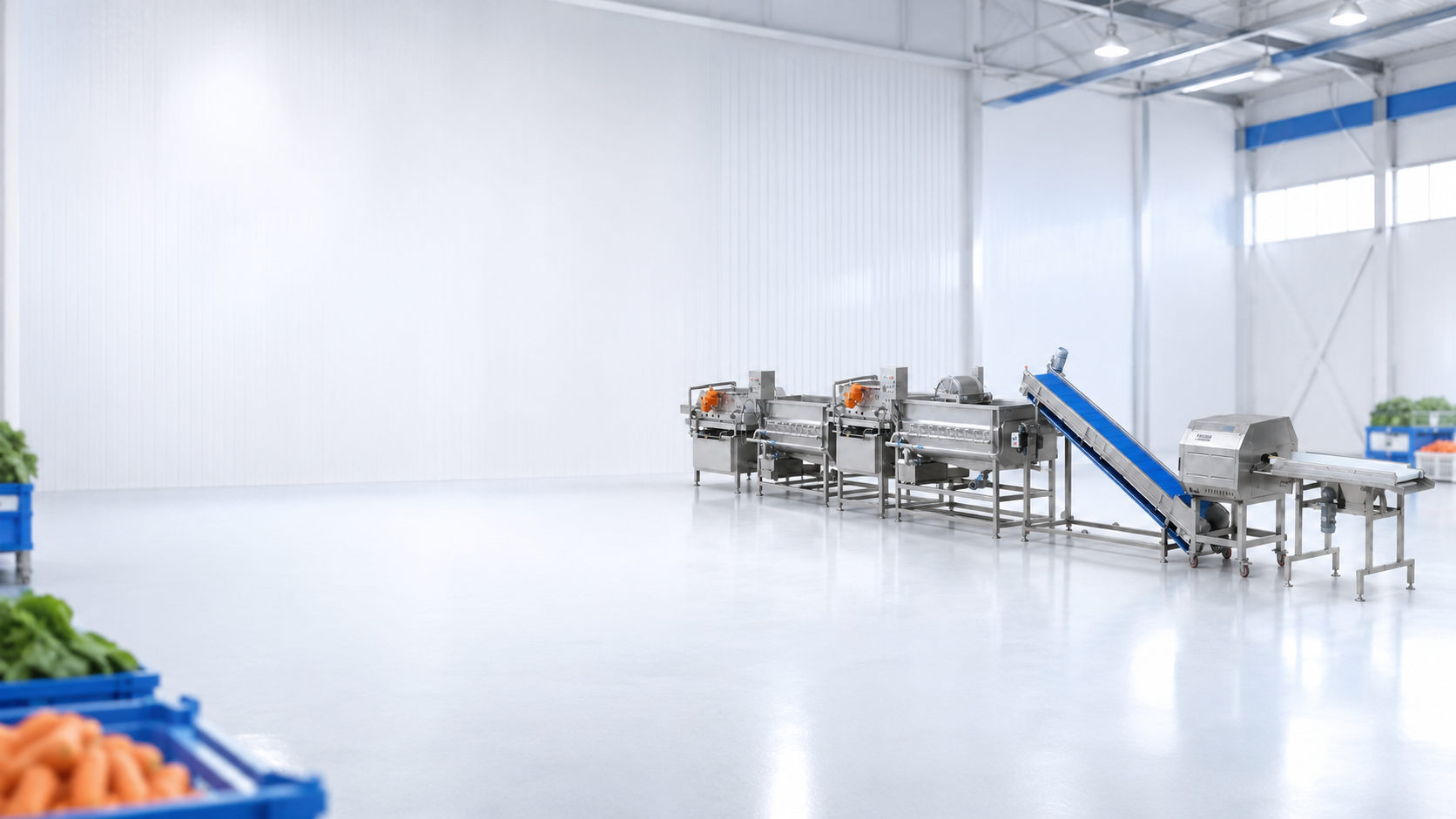
F&V Dehydration Drying Line
- Feed-to-package scope definition
- Batch or continuous route review
- Project-bound acceptance fields
- Export delivery coordination
SHENGTU configures an industrial Fruit & Vegetable Dehydration Line around the material you process, the product you need to release, and the interfaces available at your plant. Its scope connects preparation, thermal pretreatment, drying, cooling, packing and metal detection without pretending that one universal recipe fits every crop. This page covers internal moisture reduction for a dried, shelf-stable product—not surface dewatering after washing a fresh-cut product.
Project basis
Feed, finished product, layout, utilities and package format
Process boundary
Preparation through downstream packing and inspection options
Production schedule
60–90 days after configuration and layout approval; confirmed in your quotation
Payment structure
30% deposit and 70% before shipment by T/T; final terms confirmed in your quotation
Manufacturing boundary
SHENGTU manufacturing network plus identified long-term partner-supplied items
Next step
Submit one product brief, target package and site plan for engineering review
Integrated Dehydration Line Capabilities
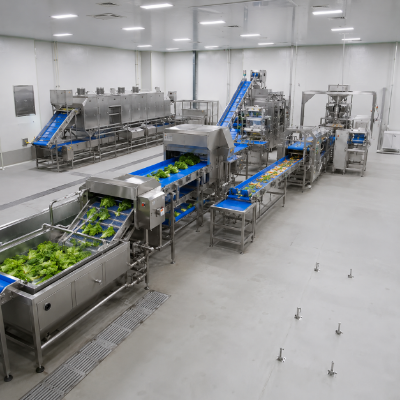
A usable dehydration line is a balanced processing system, not a dryer placed between two conveyors. Preparation rate, load distribution, drying time, cooling condition and packaging acceptance all affect how much approved product leaves the line. Unlike a dryer-only quotation, the trade-off between route flexibility and continuous flow is resolved against the approved product and site boundary.
Configurable Process Stages
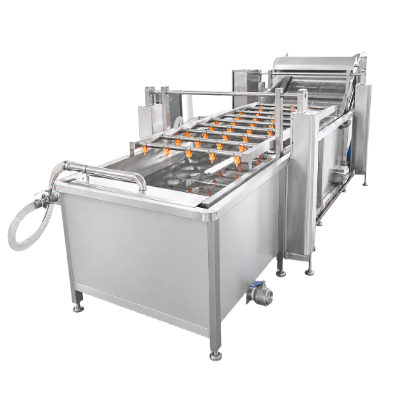
Washing and Feed Preparation
Washing and Feed Preparation
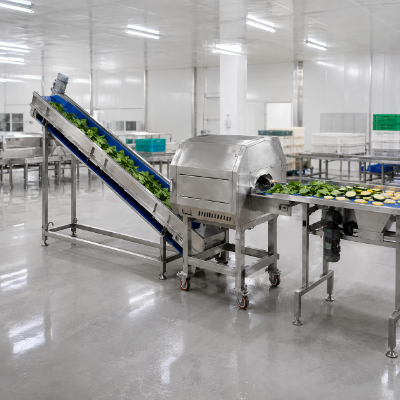
We configure bubble washing as an upstream cleaning stage when the product route requires it.
- Product receiving and manual or mechanical sorting interfaces
- Washing-machine drainage, water renewal and access planning[1]
- Transfer points that limit bruising, pooling and uncontrolled hold time
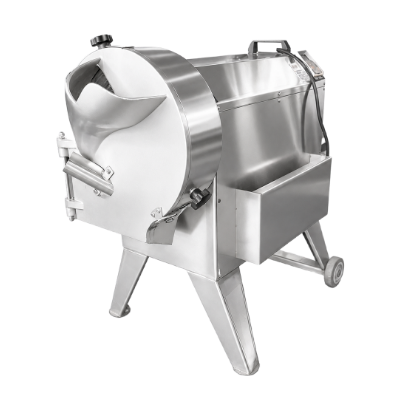
Cutting and Size Control
Cutting and Size Control
We configure cutting or slicing before thermal pretreatment when piece geometry is part of the product specification.
- Whole, peeled, sliced, diced or shredded feed definitions
- Piece-size distribution as a drying and sampling variable
- Clean transfer into blanching or the selected drying route
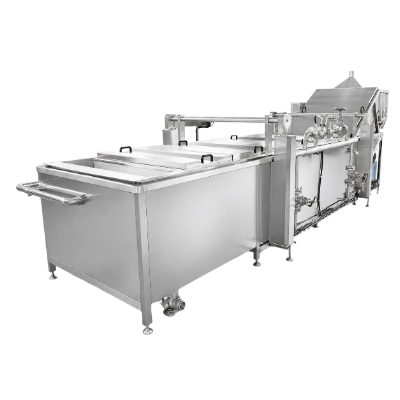
Thermal Pretreatment and Cooling
Thermal Pretreatment and Cooling
We integrate blanching when the selected product route requires thermal pretreatment.
Cooling Boundary
We integrate product cooling between blanching and downstream drying when the route requires it.
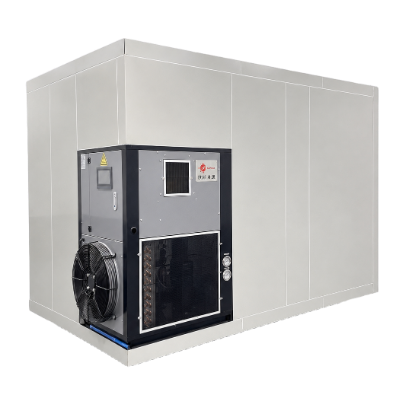
Drying, Packing and Inspection
Drying, Packing and Inspection
We integrate a drying room as the dehydration stage when that route matches the approved feed and product targets.
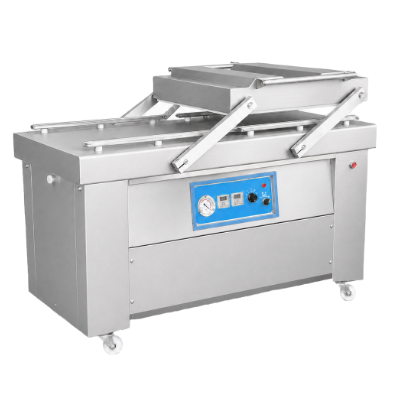
We integrate packing as a downstream stage around the approved package format and storage plan.
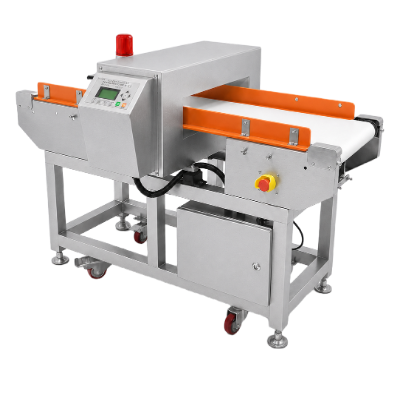
We can add metal detection after packing when it belongs in the approved line scope.
Saleable Output Constraint Path
01
Feed basis:
incoming condition and usable yield
02
Piece control
Geometry and size distribution
03
Pretreatment
Thermal route and transfer timing
04
Drying zone
Airflow, load and residence behaviour
05
Stabilisation
Cooling and equilibration condition
06
Release
Packaging, sampling and inspection acceptance
Feed Variability and Product Targets
Fruit and vegetable drying changes with more than the crop name. Initial moisture, cultivar, maturity, peel condition, slice geometry, load depth and desired texture can change the useful drying curve and the way samples should be taken.
Feed Variability Envelope
| Input field | What to submit | Why it changes the project |
|---|---|---|
| Product family | Root vegetable, leafy vegetable, fruit piece, berry, herb or another defined feed | Physical form affects handling, airflow exposure and pretreatment choices. |
| Cultivar and maturity | Named cultivar where relevant, harvest window and ripeness range | Structure and initial water distribution can shift drying behaviour. |
| Incoming condition | Initial moisture test method, temperature, soil load, damaged-product limit and storage condition | Sizing and sampling must use the actual feed basis. |
| Piece geometry | Whole, peeled, slice, dice or shred with an allowed size distribution | Thickness and shape affect moisture travel distance and the slowest-drying pieces. |
| Pretreatment | Wash, peel, cut, blanch, cool, dip or other required steps | Pretreatment affects colour, texture, load temperature and line balance. |
| Finished product | Target texture, rehydration behaviour, appearance, use in a recipe or direct consumption | Choose the endpoint around how the dried product will be used. |
| Pack and storage | Package format, barrier expectation, pack weight, storage climate and intended shelf life | Post-drying moisture pickup can undo a stable dryer exit condition. |
Sample Discipline Before Equipment Sizing
Send representative material from the difficult edge of your feed range, not only the easiest batch. If a seasonal line must process carrots, green onion, raisins or another product family, define each route separately before asking one configuration to cover all of them.
- Identify the driest and wettest incoming lots you expect.
- State the permitted oversize and undersize piece fraction.
- Separate visually acceptable product specifications from those relating to product structure, moisture or water activity.
- Flag allergen, sanitation and changeover boundaries between products.
Application Terms That Need a Project Definition
A turnkey vegetable processing line may combine a vegetable washing line, cutting machine, blanching, dewatering where applicable, drying machinery and a packaging machine. SHENGTU can customize the processing route, but the words “high-quality” and “food preservation” must be replaced by measurable product and hygiene requirements before a manufacturer can equip the project responsibly.
- For a mixed fruit vegetable program, separate fresh fruit from dehydrated vegetable duties and define the dried vegetables or dried fruit endpoint for each route.
- For potato, tomato and mushroom products, state the peel condition, piece geometry and acceptable structural change after drying.
- For salad and leafy processing such as lettuce and spinach, define fragile-product handling, washing, drainage and load-depth limits.
- For vegetable washing, distinguish a bubble washer from other vegetable washing machines and state whether the washing line must remove soil, cool product or only transfer it.
- Vegetable washing specifications should also define water management, accessible cleaning zones and the product condition expected at discharge.
- If you require 304 stainless steel in the equipment, include specifications detailing the grade and verification of such material, rather than just a pictorial representation.
Pretreatment and Drying Routes
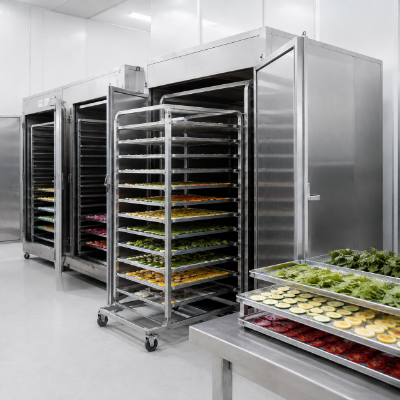
Drying equipment should follow the product route, not lead it. Hot-air, mesh-belt and chamber-style options create different loading, airflow, residence-time and changeover conditions, so route selection begins with the approved feed envelope and finished-product test.
Route Decision Dimensions
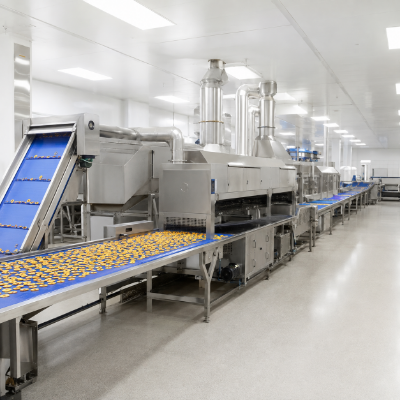
Drying Variables That Belong in the Trial Plan
| Variable | Trial question | Acceptance link |
|---|---|---|
| Drying temperature | Which temperature profile reaches the product target without unacceptable colour or texture change? | Product quality and process window |
| Air velocity and distribution | Where are the fastest and slowest drying locations under the proposed load? | Sampling map and uniformity rule |
| Piece thickness | How does the allowed geometry range change drying time?[2] | Cutting specification and release sampling |
| Layer or tray load | At what loading basis does airflow or contact become the limiting factor? | Saleable output basis |
| Cooling condition | When is the product stable enough to enter packaging without condensation or reabsorption risk? | Packaging handoff |
Project Definition and Acceptance Inputs
Acceptance criteria turn a collection of food processing equipment into a governable production line. Each control point below becomes a project value, method, sampling location or responsibility before the factory test and site handover are planned.
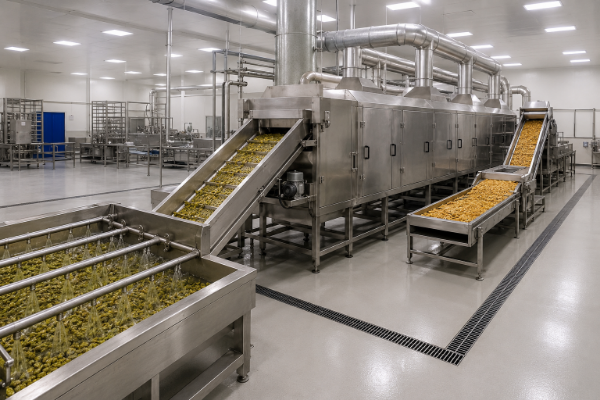
Product Stability and Acceptance Control Register
| Control point | Definition required for the project | Record or decision |
|---|---|---|
| 1 — Feed basis | Product, cultivar, maturity, initial moisture method, temperature and usable-feed definition | Approved incoming-material range |
| 2 — Piece geometry | Nominal shape plus allowed size distribution after cutting or slicing | Cutting and sampling specification |
| 3 — Process route | Washing, peeling, blanching, cooling, drying and optional downstream stages | Frozen process-flow diagram |
| 4 — Moisture content | Target, test method, sample preparation, sample location and measurement condition | Moisture release record |
| 5 — Water activity | Target, instrument method, measurement temperature and equilibration condition | Separate stability acceptance field |
| 6 — Quality attributes | Colour, texture, rehydration, visible defects and any product-specific sensory rule | Approved reference sample or written criterion |
| 7 — Cooling and packing | Product condition at pack entry, package format, barrier expectation and seal checks | Packaging handoff record |
| 8 — Storage and intended use | Storage climate, distribution route, intended shelf life and product use | Responsibility and verification plan |
Moisture Content and Water Activity Are Separate Controls
Moisture content describes how much water is present under a stated method; water activity addresses the energy state of available water under a stated measurement condition. A project should not substitute one for the other or publish a universal value without product, process, package and storage validation.
For related planning details, see the fruit and vegetable dehydration drying guide.
- Lock the instrument, method and calibration responsibility.
- Outline locations where samples are taken throughout the process and over time within the dryer plant.
- Record the cooling or equilibration condition before measurement.
- Link releasable product data to validated packaging and product storage conditions.
Pricing, Schedule and Commercial Terms
There is no responsible fixed price for a configured dehydration processing line before the route and boundary are defined. Quotation scope follows the product family, stage scope, line balance, heating route, controls, utilities, layout, packaging interface, inspection plan and delivery boundary.
Working Commercial Structure
- Production Schedule Production runs are scheduled at 60–90 days after configuration and layout approval, confirmed with your quotation.
- Payment Orders use a 30% deposit and 70% before shipment by T/T; final terms are confirmed in the quotation.
- Supply Boundary We coordinate core equipment through the SHENGTU manufacturing network; specialist or supplementary equipment, when included, is supplied by long-term partner factories and identified in the quotation.
Quotation Inputs That Move the Project Price
Driver
What changes
What to send
Product portfolio
Shared versus dedicated routes, cleaning time and recipe control
Product list with seasonal and campaign plan
Feed preparation
Sorting, washing, peeling, cutting, blanching and cooling scope
Incoming and finished-product photographs or samples
Drying route
Batch or continuous configuration, load method, heating source and control depth
Target output basis and acceptance fields
Site interface
Footprint, drainage, water, power, heat, ventilation, access and foundations
Site drawing and available utility schedule
Downstream scope
Cooling, conveying, weighing, packing and metal detection
Package format, pack rate and inspection requirement
Delivery boundary
Documentation, packing, loading, shipment coordination, installation and handover scope
Destination, receiving conditions and responsibility matrix
Equipment Terms Used in Supplier Shortlists
Shortlist term
Procurement clarification
Vegetable dehydration machine
Confirm whether the offer covers only a dryer or the full preparation-to-pack route.
Vegetable drying machine
Ask for the feed basis, loading method, airflow plan and acceptance method.
Fruit and vegetable dryer
Separate each product family instead of accepting one universal recipe.
Commercial fruit drying machine
Define the operating pattern, package handoff and site utilities.
Food dehydration equipment for sale
Translate the listing into a written responsibility and acceptance boundary.
Production begins after the configuration and layout are approved, not when an incomplete enquiry arrives. Testing, site readiness, international transit and any destination work are separated in the written project schedule so the handoff points are visible.
Quality Planning and Delivery Records
Quality planning begins with equipment that can be accessed, cleaned, maintained and checked for the process it serves. Project review also identifies which temperature, moisture, water-activity or other process instruments need an accuracy, maintenance and record plan.
Equipment and Line Review Points
01
Review product contact surfaces, drain points, dead zones, removable parts and access for service technicians considering the product and selected cleaning regime.
02
Establish and link each measuring point to appropriate accuracy specification, validation/calibration procedure, sampling method and responsible person.
03
Demonstrate line throughput balance using the same product feed and packing configuration as specified in the price quote, focusing on the interaction between transfers, buffers and the slowest acceptable process step.
04
Agree sampling methodology, the use of a reference product, the test method(s) employed, the documentation of any deviations from approved parameters, and the approval signature pathway.
05
Handover pack. List the drawings, operating information, packing records and project-specific documents that move with the order.
SYS.QC.ACTIVE _
The risk is an untestable handoff when the method, sample location and responsible party are missing, because the evidence basis changes between trials. SHENGTU engineers build the project record plan around acceptance criteria and the equipment-design principles in FDA 21 CFR 117.40.
Export Delivery Coordination
Export documents, packing, container loading and shipment coordination are available according to project requirements.
- Confirm the destination, receiving access and unloading boundary.
- Match packing and container planning to the approved equipment list.
- List the destination documents and responsible party in the project schedule.
Process Fit and Trade-Offs
Dehydration is the wrong starting assumption when the finished product, package or operating model calls for another preservation route. A responsible project review should identify these cases before a dryer is sized.
HOVER TO EXPAND MATRIX
| Situation | Why it works against the line | Better next decision |
|---|---|---|
| Undefined product endpoint | Drying cannot be accepted against words such as “dry enough” when texture, moisture method, water activity and use remain open. | Develop the product specification and reference sample first. |
| Highly variable feed with one fixed recipe | Large changes in maturity, initial moisture or piece size can move the slowest-drying fraction outside the approved result. | Split the feed into bounded families or develop separate recipes and sample maps. |
| Packaging selected after the dryer | Cooling delay, ambient exposure and package barrier can change the condition achieved at dryer exit. | Define cooling and packing as part of the same stability boundary. |
| Peak nameplate used as the purchase basis | Preparation, loading, cooling, rework or packing may limit accepted output first. | Compare saleable output across the complete constraint path. |
| No site-utility or sanitation survey | Heating, ventilation, water, drainage, access and cleaning assumptions can force layout changes after manufacture. | Freeze the site interface before configuration and layout approval. |
| Only surface water after washing must be removed | Fresh-cut dewatering is a different duty from reducing internal moisture for a shelf-stable product. | Review the Leafy Fresh-Cut Line route before specifying a dehydration line. |
| Low-temperature preservation is the governing product requirement | A hot-air route may not be the right baseline for a heat-sensitive target. | Compare the product target with the F&V Freeze-Drying Line route. |
| Root cleaning and peeling is the primary objective | Soil removal, washing and peel removal define a preparation line rather than a complete dehydration duty. | Start with the Root Vegetable Washing & Peeling Line scope. |
Four Purchase Assumptions to Remove
01
A dryer nameplate is not a substitute for a saleable-output basis.
02
Final moisture is not a substitute for water-activity and package validation.
03
One recipe is not a substitute for a bounded feed envelope.
04
A larger dryer buys you useful output only when preparation, airflow, cooling and packing remain balanced.
FV Dehydration Line Tools
Engineering evaluation, technical route review, and acceptance criteria verification.
Build a Decision-Ready Dehydration Line Scope
Submit a brief about your product, relevant feed conditions, and your proposed packaging style along with your facility layout plan, and SHENGTU will review the processing route, evaluation criteria, machinery boundary and commercial proposal for your fruit and vegetable drying line.
Build My Dehydration Line Scope-
01
Product list, seasonality and representative incoming condition
-
02
Piece geometry, pretreatment and finished-product tests
-
03
Target operating pattern and package format
-
04
Layout, access, water, drainage, power and heating information
-
05
Destination, delivery and site-work boundary
What information is needed to configure the line?
Start with the product family, incoming condition, piece geometry, pretreatment, target moisture method, water-activity requirement, texture or rehydration target, package format and storage plan. Add the site layout, utility schedule and intended production pattern so the route and interfaces can be reviewed together.
Can one line process both fruits and vegetables?
A shared platform can be evaluated, but each product family needs its own feed envelope, recipe, cleaning boundary and acceptance method. Products with different size, sugar content, tissue structure or handling sensitivity should not be treated as one universal duty.
How are batch and continuous drying routes compared?
SHENGTU's project review compares campaign size, feed stability, loading method, airflow distribution, residence control, changeover, sanitation, cooling and packaging handoff. Decisions rest on accepted product and operating fit rather than a generic capacity threshold.
Why are moisture content and water activity listed separately?
They describe different product conditions and require stated methods. Acceptance records link both measurements to sample location, temperature or equilibration condition, package barrier, storage and intended use.
What determines the industrial dehydrator machine price?
Price follows the product portfolio, process stages, dryer route, controls, heating and utilities, layout, downstream packaging, test plan and delivery scope. Submit one bounded project brief to receive a written, project-based quotation rather than a misleading fixed online price.
What production schedule should we plan around?
Production runs are scheduled at 60–90 days after configuration and layout approval, with the final schedule confirmed in the quotation. Site readiness, testing, transport and destination work are shown as separate project clocks.
What are the payment terms?
Orders use a 30% deposit and 70% before shipment by T/T, with final terms confirmed in the quotation. Written terms also define the equipment list, supply boundary and schedule basis.
Which export delivery activities are available?
Export documents, packing, container loading and shipment coordination are available according to project requirements. Destination documents, receiving access, unloading and site-work responsibilities are fixed during project review.
How is the equipment supply boundary handled?
We coordinate core equipment through the SHENGTU manufacturing network; specialist or supplementary equipment, when included, is supplied by long-term partner factories. Your quotation identifies the approved equipment and responsibility boundary for the specific line.
Applicable certificates and documents are confirmed for the equipment model, configuration and destination country. Company management-system records are reviewed separately from product conformity documents.
![F&V Freeze-Drying Line Process Guide [2026]](https://shengtumachinery.com/wp-content/uploads/2026/09/fv-freeze-drying-line-guide-featured-150x150.png)