Get in touch with Shengtu Bufan Company


Dairy process engineering · configurable project scope
Pasteurized & UHT Milk Line
Build the process route around your milk, package, distribution model, utility limits, and acceptance plan. Shengtu connects equipment engineering with digital controls so the quotation starts from the interfaces that decide whether the line works as one system.
2 process routes
Refrigerated pasteurized milk or UHT with a defined sterile downstream boundary
1 configured line set
Minimum order for a project-defined line
IQ02-10
Published Shengtu tubular UHT sterilizer reference
115–135°C
Adjustable range published f
Pasteurized and UHT Milk Processing Configurations
The Pasteurized & UHT Milk Line is not one fixed production line with two labels. A pasteurized milk processing line or pasteurized milk production line normally ends in a chilled product and refrigeration chain, while a UHT milk processing line or UHT milk production line for ambient distribution requires the thermal process, sterile transfer, compatible aseptic filling, carton sterilization, closure control, and deviation handling to work as one system.
For related planning details, see the pasteurized versus UHT milk processing guide.
Three assumptions to remove before equipment selection
Common assumption _
A heater setpoint does not define the sterile downstream boundary; the trade-off includes sterile transfer, package treatment, filling, closure, and deviations.
Common assumption _
Pasteurized and UHT labels are not interchangeable because refrigeration protects one route, whereas an accepted aseptic system defines the other.
Common assumption _
A line quotation is not comparable until inputs are normalized, and a machine can meet its own nameplate while an unowned filler or cleaning interface causes a delay. Unlike a machine-list comparison, the project responsibility matrix confirms ownership; the wrong choice is leaving that check until commissioning.
Pasteurized milk route
- Raw milk reception, filtration, storage, and standardization are defined around the milk production plan.
- Milk pasteurization uses a controlled continuous flow, holding section, temperature control, and safe diversion logic.
- Filling and packaging lead directly into chilled storage and refrigerated distribution.
UHT milk route
- Product formulation and heat sensitivity determine direct or indirect UHT processing review.
- Sterile buffering, transfer, aseptic packaging, aseptic cartons, filling, and closure control form the downstream boundary.
- Commercial sterility and long shelf life belong to the scheduled process and package validation, not to a high temperature setpoint alone.
Pasteurized vs UHT Configuration Decision Matrix
| Decision input | Pasteurized configuration | UHT configuration |
|---|---|---|
| Distribution | Refrigerated route | Ambient target only with a validated aseptic system |
| Downstream boundary | Cooling, hygienic filling, cold storage | Sterile holding, aseptic filling, package sterilization, closure integrity |
| Product quality trade-off | Lower thermal load with cold-chain dependence | Higher thermal duty with recipe- and package-specific sensory review |
| Project authority | Local dairy rules and accepted pasteurization controls | Scheduled process, process authority, package and sterile-zone responsibilities |
Product, Package, and Market Inputs That Set the Process Route
A weak product brief creates a route-selection risk because the same hourly target can hide very different dairy processing duties. For a specific configuration review, include the raw material and dairy product matrix—including whole milk, skim milk, nutritional value targets, additives, package formats, and market route—in the RFQ.
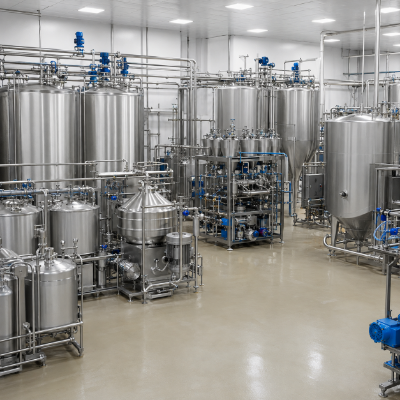
Product
- Milk source and solids profile
- Fat, protein, and fat globules targets
- Need to separate or homogenize the product
- Added powders, flavours, stabilizers, vitamins, allergens, and changeover sequence
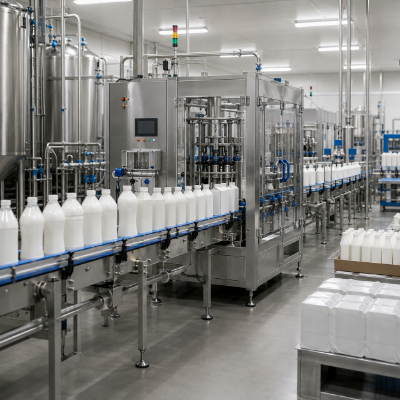
Package
- Container material and volume
- Existing or new filler
- Aseptic or hygienic filling requirement
- Closure and secondary packaging
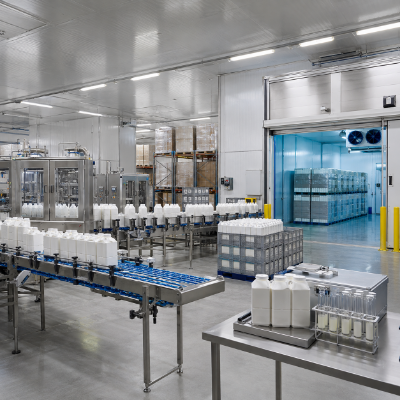
Market route
- Refrigerated or ambient distribution
- Target storage conditions
- Local process and labelling rules
- Release tests and traceability records
Milk Line Integration and Interface Ownership
A complete milk processing line can still fail at an unowned transfer condition between two sound machines. Send the current process flow, interface list, and control architecture for a specific engineering review of product state, pressure, temperature, cleaning ownership, alarms, and acceptance records.
01
Reception
Raw milk intake, filtration, transfer, sampling, and milk storage
02
Preparation
Separator, standardization, blending, and preheating as required
03
Homogenization
Product-specific homogenizer placement and operating envelope
04
Thermal process
Plate heat exchanger or tubular heat exchanger route with controlled holding
05
Buffer & filling
Chilled buffer or sterile holding matched to filling and packaging
06
Cleaning
CIP system circuits, returns, recipes, recovery, and release records
Process interfaces
- Minimum and maximum product flow
- Allowed recirculation and diversion paths
- Pressure relationships across regeneration and sterile zones
- Product recovery, drain, and effluent treatment boundaries
Automation interfaces
- Instrument list and control narrative
- Filler, tank, valve, and utility handshakes
- Alarm, event, batch, and cleaning records
- Account ownership, backups, change control, and remote-access approval
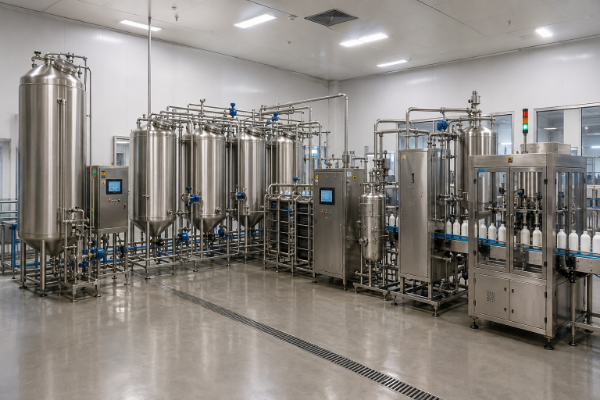
“Smart manufacturing of food equipment, empowering industrial upgrades.”
— Shengtu company mission
Published Shengtu UHT Sterilizer Module
Shandong Shengtu Bufan Intelligent Technology Co., Ltd. publishes the IQ02-10 automatic tubular UHT sterilizer with a 115–135°C adjustable range. Because mismatch risk remains between one module and the surrounding process, this factory reference starts the engineering review; the project specification and agreed FAT define accepted line performance.
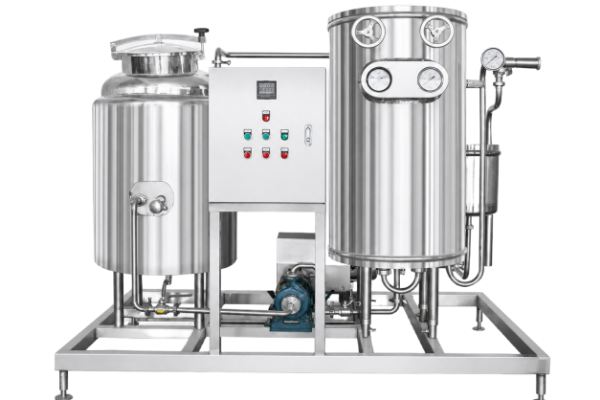
PROJECT SPECIFICATIONS
Model
IQ02-10
Reference module for engineering discussion
Sterilization temp
115–135°C adjustable
Final product process remains recipe- and authority-specific
Material
SUS304
This stainless steel grade applies to the listed module; confirm the project bill of materials and all product-contact surfaces
Equipment spec
1000 × 1100 mm
Confirm service clearances and actual project layout
Export package
300 × 200 × 200 cm
Logistics planning reference for the listed module
Gross weight
1000 kg
Transport and unloading planning reference
Manufacturer output
70 sets/year
Factory output field, not milk process throughput
Minimum order
1 configured line set
Final configuration and project scope are fixed in the quotation
Warranty terms
Warranty terms confirmed in the quotation and contract
Applies to the listed module; the project contract controls final coverage
Published delivery
30–45 days
Module listing reference; complete-line schedule follows scope review
Controls and software
- PLC control system
- Remote PLC management
- Shengtu Cloud Device Management Platform
- Easy CIP cleaning support
Support fields
- Engineer guidance for installation
- Maintenance scope confirmed in the contract
- Lifetime technical support
- Customization of the listed equipment
Milk Processing Plant Cost Drivers and Quote Normalization
Comparing a standalone machine price with a complete-line offer creates a budget risk for any dairy industry project. Request a detailed quotation from each supplier against the same RFQ, separating the product route, capacity basis, heating method, packaging, sterile boundary, automation, utilities, site work, installation, commissioning, and validation scope so cost-effective options can be compared.
HOVER TO FLIP
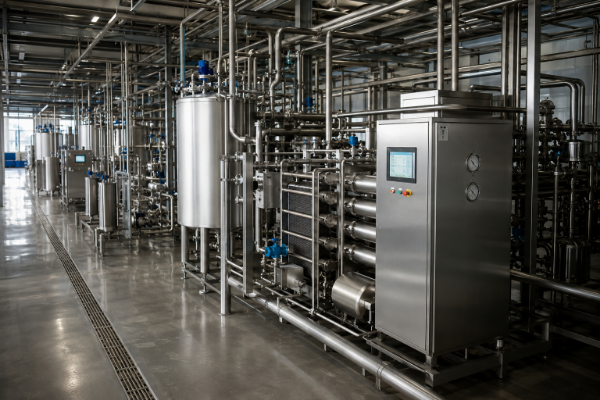
Capital expenditure
- Milk processing equipment and storage tanks
- Filling and packaging equipment
- Utility generation and distribution
- Controls, installation, commissioning, and training
- Building work, drainage, laboratory, and effluent treatment
HOVER TO FLIP
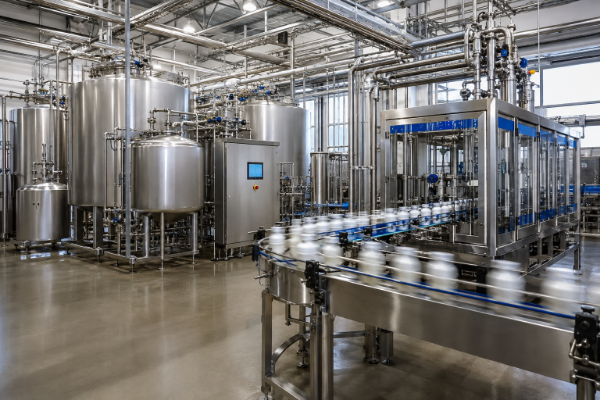
Operating expenditure
- Steam, electricity, cooling, water, and compressed air
- Cleaning chemicals and cleaning cycle duration
- Product loss, changeover, production efficiency, and planned downtime
- Maintenance, spares, calibration, and compliance records
- Cold-chain cost for pasteurized milk or aseptic-packaging cost for UHT milk
Budget cases for processing plants
A new milk processing plant normally carries building and utility scope that an expansion may already have. Each milk processing plant comparison should therefore identify the site baseline before prices are aligned.
New processing plants
include land-side interfaces, utilities, drainage, laboratory, and start-up responsibilities.
Expanding processing plants
document the capacity and condition of every retained asset.
Multi-product processing plants
include recipe, changeover, buffer, cleaning, and package interactions.
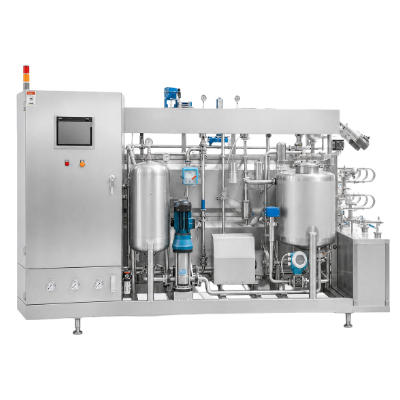
- Product-contact geometry, drainability, access, and cleanability
- Valve matrix, diversion route, pressure boundary, and safe state
- Heat exchanger selection and integrity checks
- Clean-in-place circuits, returns, chemical control, and release logic
- Process flow diagram and equipment schedule
- Piping and instrumentation diagram
- Instrument, valve, motor, alarm, and interlock lists
- Control narrative, cleaning matrix, manuals, and training records
- Factory and site acceptance protocols agreed in the contract
Hygienic Design, Process Control, and Documentation
For pasteurized milk, the milk pasteurizer, holding section, temperature recording, flow diversion, pressure relationships, and test records have to work as one control architecture. Some jurisdictions use a 15 seconds benchmark for a defined pasteurization process, but the accepted time-temperature rule must come from the local authority and product basis.
Food safety boundary
A pasteurizer is designed to heat milk under validated conditions that control the target microbial hazard; it does not sterilize the product. For UHT systems, the scheduled process extends through sterile holding, package sterilization, filling, closure, and deviation handling so a microorganism pathway is not hidden at an interface.
Digital control boundaries
Shengtu's company brief covers the STUnit platform, standalone OTA upgrades, line integration, smart factory planning, multi-protocol gateways, YOLO vision, and edge algorithms. The project specification decides which functions are included, which system owns each account and data path, and how backups, remote access, changes, alarms, and recovery are accepted.
Order Process: From Application Review to Site Acceptance
“Turnkey” becomes useful only after equipment, utilities, building work, installation labor, commissioning support, training, validation support, documents, and local approvals have named owners. The responsibility matrix and acceptance plan should be signed with the technical specification, before fabrication starts.
Application review
product matrix, package, distribution model, production capacity, utility requirements, and site constraints.
Concept engineering
process flow, equipment selection, mass-flow basis, buffer logic, cleaning routes, and preliminary plant layout.
Scope freeze
included equipment, interfaces, exclusions, document package, acceptance criteria, commercial terms, and project schedule.
Manufacturing and controls
fabrication, PLC configuration, software preparation, inspections, and agreed factory tests.
Site work
delivery, installation responsibilities, utility checks, commissioning, operator training, and acceptance records.
Handover
approved drawings, manuals, backups, spare-parts list, maintenance plan, training records, and open-item closure.
Engineering dossier
- Approved process flow
- Equipment and instrument lists
- Layout and interface drawings
- Utility and foundation requirements
Operating dossier
- Operating and cleaning instructions
- Recipe and setpoint governance
- Alarm and deviation response
- Training and maintenance records
Digital handover
- Account and role matrix
- Program and configuration backups
- Network and gateway inventory
- Remote-support approval and recovery steps
Expansion Planning and Quote Scope
A vague scalability promise means retrofit risk when the next filler, product family, shift, storage window or data interface emerges. Send the expected expansion case for a specific engineering review of space, valve ports, controller capacity, utility margin, software ownership, and revalidation work.
Shengtu Capabilities Scoped in the Project Quote
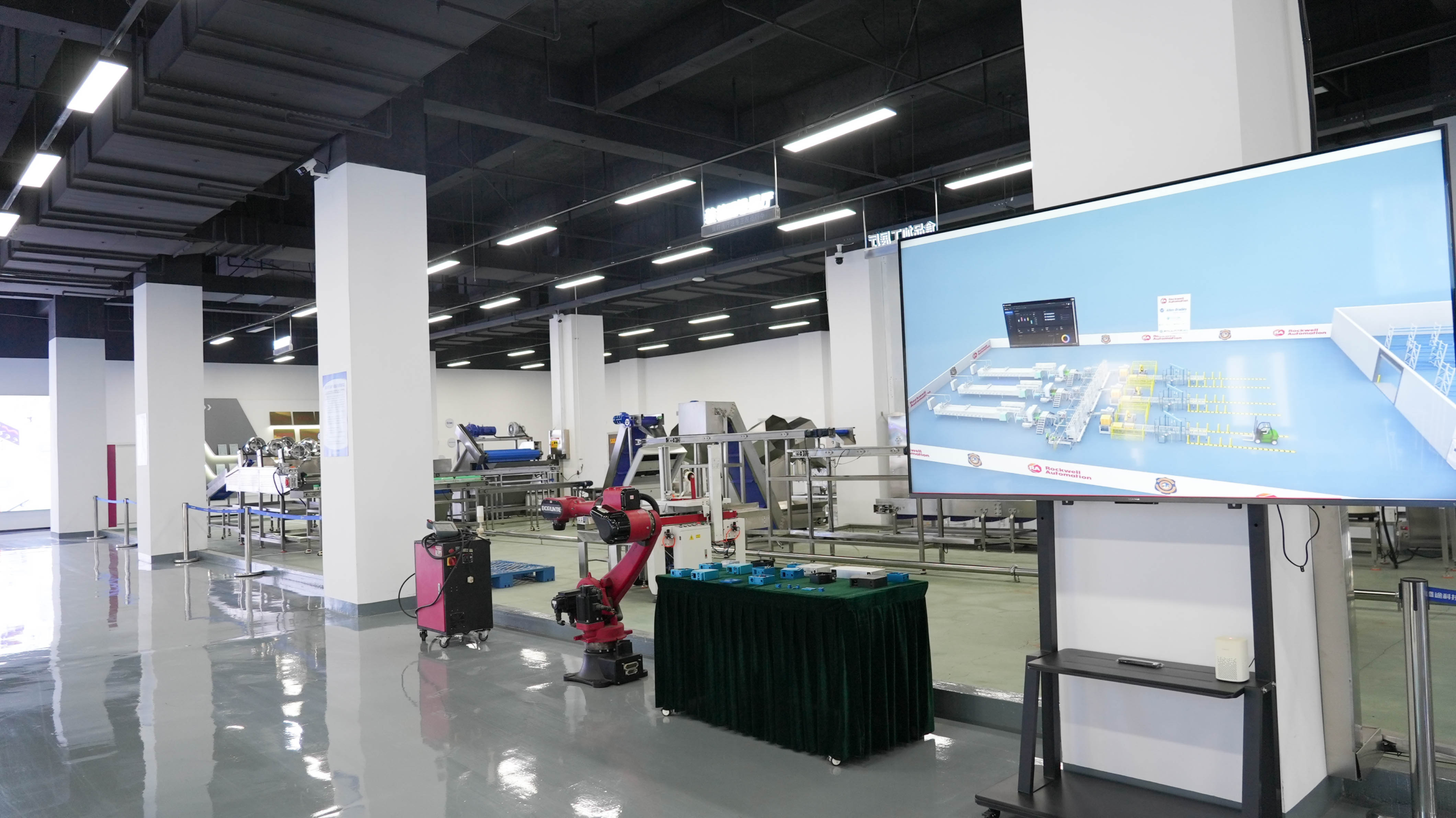
Buyers risk receiving disconnected machines when controls, data ownership, and equipment interfaces are scoped independently. Shandong Shengtu Bufan Intelligent Technology develops food machinery and whole-plant digital solutions in Weifang; request a specific architecture review to decide which self-produced hardware, STUnit, low-code control, gateway, vision and edge functions belong in the accepted milk line.
Machinery
- Custom food-processing equipment
- Self-developed control hardware
- Configurable retort, preprocessing, and packaging capability
- Equipment-to-line integration review
Controls
- STUnit platform
- Low-code control boxes
- Multi-protocol gateways
- Standalone OTA upgrades
Digital layer
- Smart factory planning
- IT/OT integration
- YOLO vision
- Edge algorithms
MILK LINE ENGINEERING TOOLS
Systematic engineering tools designed for configuring milk pasteurization and UHT processing lines. Select specific modules below to calculate RFQ specifications, compare technical parameters, and audit system interfaces.
Milk Line RFQ Builder
Systematic configuration tool to define technical requirements and generate a precise Request For Quotation (RFQ) for milk processing lines.
ACCESS TOOL →Pasteurized vs UHT Milk Line Selector
Comparative evaluation tool to analyze specifications and select the optimal processing parameters between Pasteurized and UHT production configurations.
ACCESS TOOL →Milk Line Scope Interface Audit
Technical auditing tool to define and evaluate the scope of supply, system integration boundaries, and utility interfaces for milk line projects.
ACCESS TOOL →Start Your Comparable Milk Line Brief
Request a Specific Engineering Configuration ReviewBuyers can send the product, package, output basis, utilities, existing interfaces, layout and acceptance priorities. Shengtu will turn those inputs into a pasteurized or UHT line configuration for technical and commercial review.
FAQ: Pasteurized and UHT Milk Line Questions
Pasteurized milk depends on refrigerated filling and distribution. Ambient UHT needs a validated sterile downstream and aseptic package.
No. UHT milk production links the sterilization temperature and holding profile to sterile transfer, buffer conditions, package sterilization, aseptic filling, closure integrity, environmental controls, release records, and deviation handling. A long-life or long-lasting sterilized milk product that can be stored without refrigeration requires validation for the actual recipe, carton, process authority, distribution conditions, and intended shelf life; treatment by itself leaves those downstream failure paths unresolved.
Yes, but a small milk project still needs saleable output in liters per hour, campaign size, cleaning frequency, filler speed, utilities, and future expansion stated. Those inputs expose whether a small-scale or larger processing plant is limited by processing, buffering, packaging, or supplier economics.
A modern dairy production line may cover milk reception, filtration, separation, standardization, blending, storage tank capacity, homogenization, thermal processing, cooling or sterile buffering, filling and packaging, CIP, utilities, controls, and documentation. The supplier quotation should list exactly what is included and excluded.
Project cost depends on product mix, production capacity, thermal route, aseptic boundary, package, automation, utilities, plant layout, installation, commissioning, validation, and local works. Send a normalized RFQ for a project-specific quotation instead of comparing standalone machine prices with complete-line offers.
It provides client-attributable fields for one Shengtu tubular UHT sterilizer module, including model, temperature range, material, equipment specification, control platform, minimum order, warranty, support, and listing delivery time. The complete-line performance and interfaces still require project engineering.
Line integration and multi-protocol gateways are company capabilities, but compatibility must be checked against the actual filler signals, operating states, buffer requirements, cleaning boundary, accounts, protocol, and acceptance test. Provide the existing equipment manuals and interface list with the enquiry.
Freeze the product and package matrix, utility conditions, process flow, responsibility matrix, control narrative, cleaning matrix, test media, acceptance criteria, training plan, documents, and open-item process. Commissioning cannot repair a scope boundary that was never assigned.
Yes, when the future case is specific. Define the expected extra product, filler, output, shift, protocol, or data function so layout space, valves, utilities, control capacity, backups, and revalidation can be reviewed before fabrication.
Applicable certificates and documents are confirmed for the equipment model, configuration and destination country. Company management-system records are reviewed separately from product conformity documents.
![F&V Freeze-Drying Line Process Guide [2026]](https://shengtumachinery.com/wp-content/uploads/2026/09/fv-freeze-drying-line-guide-featured-150x150.png)