Get in touch with Shengtu Bufan Company

Beef/Lamb/Poultry Cutting Line
Meat Processing Equipment Manufacturers for Beef, Lamb and Poultry Cutting Lines
Meat processing equipment manufacturers are the companies that design, build and commission the cutting, deboning and portioning lines a plant runs after the slaughter floor. We publish our commercial terms before you ask, and we build cutting lines taking dressed carcasses through sawing, skinning, metal detection and packing for cattle, sheep and poultry processing plants. Send your layout and product mix.
Layouts and specifications you send are used only to configure and quote your line.
Quote turnaround
Within one business day
Lead time
20–30 working days for a standalone machine;
30–40 working days for a complete line
30–40 working days for a complete line
Contact-part material
304 or 316 stainless steel
Warranty
Warranty terms confirmed in the quotation and contract
Cutting Line Capabilities by Station and Species
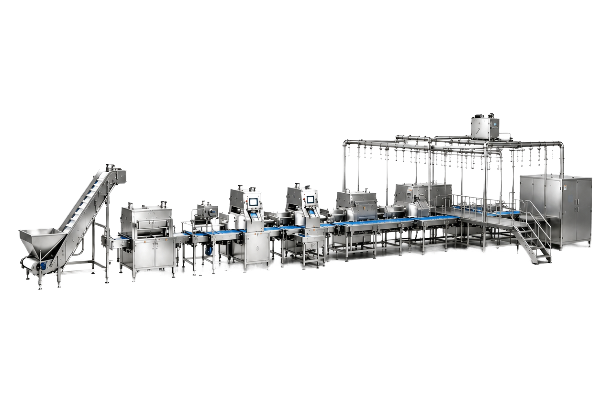
A cutting line is a sequence of stations, not one machine. Ours runs from the carcass leaving your slaughter line to packed product, quoted station by station or turnkey.
STATION.01
Carcass breakdown and sawing
Bone saws take the carcass down to primals, with blade guarding, wash-down access and cutting height per species.
STATION.02
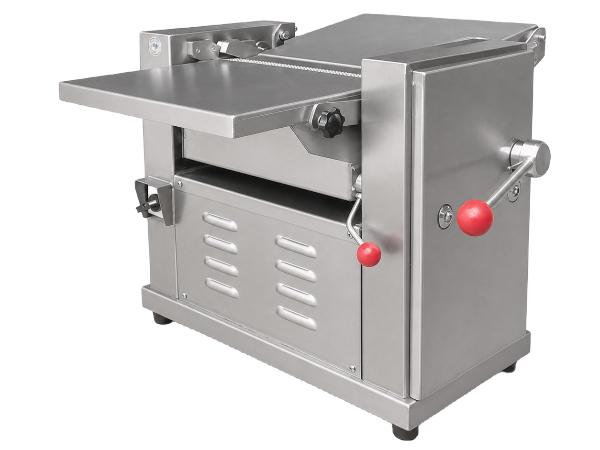
Skinning station
Configured by species and product form, lifting skin without cutting into the fat layer.
STATION.03
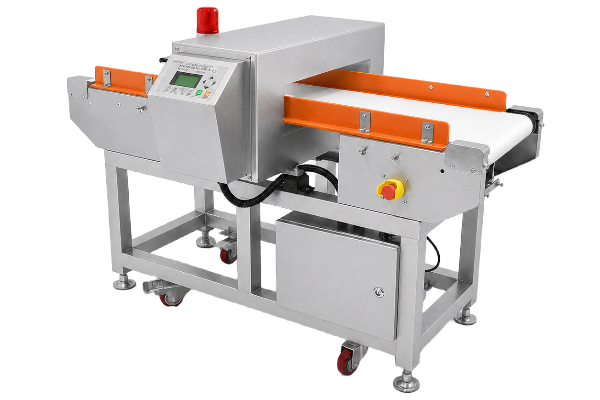
Metal detection
Product passes a metal detector before packing, so a broken blade fragment is caught here, not at your customer’s.
STATION.04
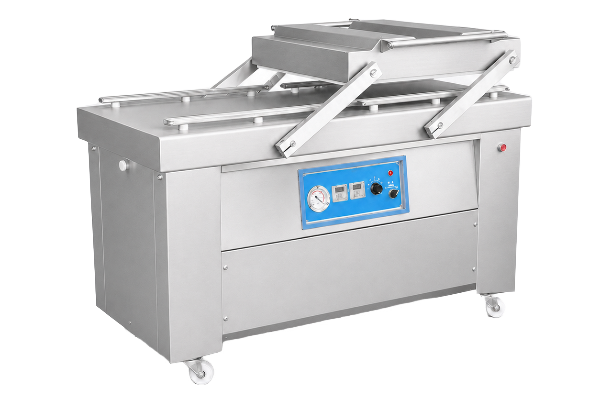
Weighing and packaging
Packaging machinery closes the line and fixes the pack format. Switching format is a changeover, not a rebuild.
SYS.SPEC_01
What changes between cattle, sheep and poultry
Beef and cattle
Split sides and quarters from your dressing floor
Heavier rail loading, longer saw stroke, larger bone-collection points
Sheep and lamb
Dressed carcasses, conventional or halal slaughter upstream
Lower feed height, tighter station spacing, faster carrier pitch
Poultry
Birds already through scald, pluck and evisceration on your poultry processing line
Cut-up station set for the portion mix, chicken-scale carriers
PRD.LIST_02
Products these lines are built to produce
- Beef primals and boneless trim for further processing
- Lamb and mutton primals for chilled and frozen export packs
- Poultry cut-up portions: breast, leg quarter, wing, drumstick
- High-quality skin-on and skinless portions from one line
- Bone-in retail cuts, using meat saws sized to the carcass
Upstream slaughter equipment is quoted separately: slaughterhouse equipment and cutting rooms are bought in different project phases.
Get a Line Proposal →Shengtu also builds food processing equipment for root vegetable washing lines.
Contact Materials and Hygienic Construction
Product-contact structures are 304 or 316 stainless steel. Frames, guarding and covers open for wash-down.
Cleaning regimes in meat plants are aggressive by design: high-pressure water near 80 °C with strong acids and alkalis, daily.[3] Welds that pool water corrode first, so ask how contact-surface welds are finished.
MAT.SPEC // 304
304 stainless steel
The default for cutting, sawing and conveying stations running fresh product, through routine hot-water and detergent cycles.
MAT.SPEC // 316
316 stainless steel
For brine, curing solutions or chlorinated wash water, because chlorides pit 304 and a pitted surface then fails the daily clean by holding residue. Specified where the chemistry does not call for it, 316 costs you on every contact surface, so tell us your cleaning regime.
Why the regulator cares about construction, not brand
Under 9 CFR 416.3, equipment in a federally inspected United States establishment must allow thorough cleaning and be kept in sanitary condition.[1] That test is applied in your plant, so accessible construction matters more than any label on the frame.
Delivery Specifications for Every Line
These terms apply as each row states. Project-specific items are added in the written quotation.
| Contact-part material | 304 or 316 stainless steel |
|---|---|
| Power supply | Built for your destination voltage and frequency, confirmed before production |
| Standalone machine lead time | 20–30 working days |
| Complete line lead time | 30–40 working days |
| Payment terms | 30–50% T/T deposit, balance settled before shipment |
| Warranty | Warranty terms confirmed in the quotation and contract |
| Shipping terms | FOB or CIF |
| Documents shipped | Commercial invoice, packing list, bill of lading and an English manual |
| Before shipment | Trial run with a live video walkthrough |
| Certification documents | CE, SGS, ISO9001, ISO27001, test reports and factory inspection documents, by model, configuration and destination market |
| In-house manufacturing share | Around 80% of our main equipment categories are produced in our own manufacturing bases |
What decides throughput and crew size on your line
Throughput and station manning are outcomes of your layout, not catalog numbers. Six inputs settle them, all from you:
- 01/Station count — cutting, skinning, detection and packing points the mix needs
- 02/Line length and shape — the run available between your walls and columns
- 03/Feed height and carrier type — rail, hook or belt, and your crew’s working height
- 04/Product form — bone-in or boneless, skin-on or skinless, chilled or frozen
- 05/Species and cut specification — the primal and portion list your buyers order
- 06/Upstream rhythm — the rate carcasses reach the cutting room
Pricing Mechanism and Lead Times
Price follows station count, automation level, species coverage, material grade and the document pack your destination market requires. There is no price list: two plants ordering the same station list rarely need the same layout.
Cost drivers you can influence
-
#DriverEffect on costHow to bring it down
-
01Station countThe largest single driver; each station adds frame, drive, guarding and controlsStart with the stations that gate output; leave floor space for the rest
-
02Automation levelAutomated handling between stations costs more than manual transferKeep manual transfer where your crew already sets the pace
-
03Material grade316 stainless costs more than 304 across every contact surfaceSpecify 316 only where your cleaning chemistry needs it
-
04Document packTesting and certification documents are priced per destination marketConfirm the destination market before production starts
How your quotation is produced
An engineer returns the station list and our assumptions in writing within one business day. Payment is a 30–50% T/T deposit, balance before shipment, FOB or CIF.
-
#Order stageLead timeScope of that window
-
05Standalone machine20–30 working daysBuild, assembly and factory test of one station
-
06Complete line30–40 working daysAll stations, transfer between them, pre-shipment trial run
-
07After arrivalScheduled with youInstallation support and operator training on site
Lead time starts when the deposit and layout are confirmed, excluding transit.
“Machinery can cost 5 to 10 times the yearly saving in labor … rarely does labor replacement alone justify the cost of purchase.”
— peer-reviewed review of automation in meat processing[3]
The reason is arithmetic: the equipment is paid for once, and the saving arrives one year at a time. Shengtu states those assumptions in writing, so the yield held at each cut sits beside the price, and the risk of an under-built case is visible.
Get a Line ProposalCompliance Documents and Equipment Verification
Applicable certificates and documents are confirmed for the equipment model, configuration and destination country. Company management-system records are reviewed separately from product conformity documents.
Buyers importing into the United States often open by asking for USDA-approved equipment. What that phrase means today should change what you ask a supplier for.
“We do not seal a document pack until the destination market is fixed. A missing market-specific test report stops being a paperwork problem and becomes a shipping-date problem.”— Shengtu Engineering Team, Weifang
There is no federal equipment approval to hold
The Food Safety and Inspection Service ran a mandatory prior-approval program for meat and poultry equipment until September 24, 1997. Sanitation now sits with the establishment under 9 CFR 416, and equipment is judged on cleanable construction in your plant.[1] A voluntary, user-fee certification of sanitary design is available from the Agricultural Marketing Service.
What matters is not which stamp a machine carries but which documents you can put in front of an inspector; CE is a European conformity mark and is not a substitute for United States market access.
- CE, SGS, ISO9001, ISO27001, test reports and factory inspection documents, by model, configuration and destination market
- Commercial invoice, packing list, bill of lading and an English manual with every shipment
- Contact-part material stated as 304 or 316 stainless steel; warranty terms confirmed in the quotation and contract
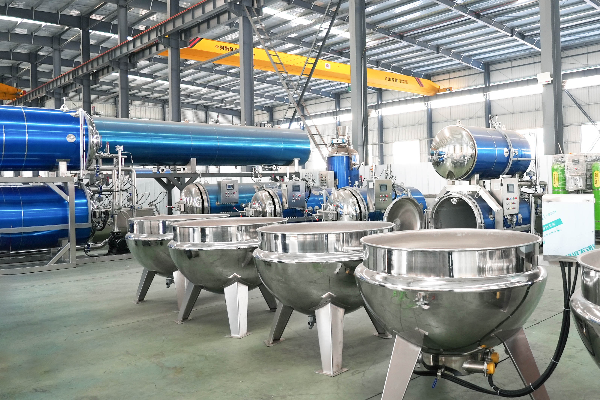
How every line is checked before it leaves
- Contact-part material and weld finish inspected during assembly, station by station
- Each station run under power, set to the product form you specified
- The complete line runs a pre-shipment trial on live video, and the document pack is assembled for your destination market
Cutting Line Project Steps From Layout to Commissioning
-
01
Send us your floor layout, product list and the species you run
-
02
The floor plan is analyzed. We map planned station positions onto the footprint of your factory and provide feedback on any conflicts.
-
03
A written quotation comes back within one business day, assumptions stated
-
04
We build it ourselves: around 80% of our main equipment categories are built in our own bases
-
05
You watch your line run on live video before it ships
-
06
Commissioning, operator training and warranty terms are confirmed in the quotation and contract
Manufacturing Base and Installed Equipment
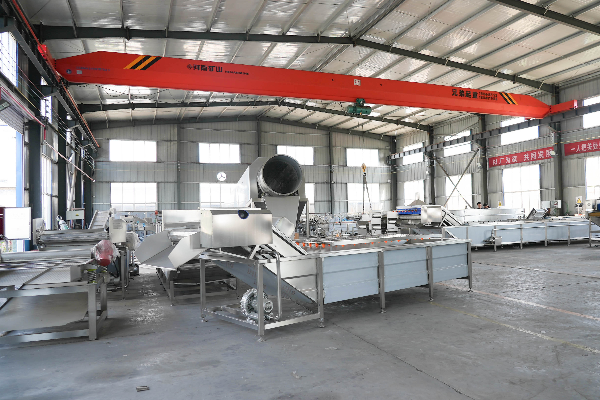
Shengtu builds around 80% of its main equipment categories in four owned and self-built manufacturing bases in China. Equipment is powered by the STUnit platform, under DCMM Level-2, SRDI SME and Gazelle Enterprise recognition.
These lines are configured for cattle and sheep processors breaking sides into primals, for poultry processing plants running cut-up rooms, and for multi-species rooms that switch by shift.
Check your readiness52 countries
Equipment installed.
2,000+ machines
Delivered.
4 owned bases
Operated by us.
7 patents
With 100+ software copyrights.
Four Situations That Call for a Different Line
Mechanizing a cutting room does not automatically beat the crew already doing the work; for some plants it is the wrong call. These four come up often enough to name.
A small, skilled, stable crew at low volume
Why it works against you
Skilled operators can out-perform a machine on variable carcasses; four robotic lamb hindquarter deboning machines were withdrawn on that basis
What to do instead
Mechanize the hard stations first, and keep a manual bypass for the rest
No floor space and no shutdown window
Why it works against you
An automated station usually needs more floor than the bench it replaces
What to do instead
Phase the line station by station across scheduled shutdowns, on one agreed layout
A business case resting on labor savings alone
Why it works against you
Equipment cost can run several times the annual labor saving
What to do instead
Build the case on yield held at each cut and pack consistency, not only crew size
No one on site who can maintain the machinery
Why it works against you
The skills gap surfaces after commissioning, and the answer on record is service level agreements that include remote support
What to do instead
Settle who maintains the line; our support covers operation guidance, spare parts support, remote technical communication and necessary service assistance
In that case the robotics supplier’s own research manager reported that “the technology was taken out of production”. A hybrid room — machines on the hard stations, skilled hands on the rest — is a recorded answer, and saying so early is the right call.
Meat Processing Line Configuration Tools
-
Assess facility infrastructure and operational prerequisites for automated meat processing line integration.
-
Define throughput capacity, species parameters, and spatial layouts to generate precise equipment configurations.
-
Compile essential engineering drawings, compliance certificates, and technical documentation for project execution.
Frequently Asked Questions About Cutting Lines
A cut-up line divides the carcass into primals and portions with the bone in; a deboning line separates meat from bone afterwards. Cut-up usually comes first, deboning later.

![F&V Freeze-Drying Line Process Guide [2026]](https://shengtumachinery.com/wp-content/uploads/2026/09/fv-freeze-drying-line-guide-featured-150x150.png)