Sterilization & Aseptic Filling Lines

Shengtu configures sterilization and aseptic filling projects around the food, package, target storage, product output, utilities and validation route. It develops a line concept with interfaces, not separate machines.

3 process routes

UHT aseptic, tunnel pasteurization and retort

Whole-line scope

Process design through delivery and support

Digital-ready controls

Project-scoped PLC, HMI and data interfaces

One responsibility map

Source, interface and acceptance ownership stated

SYSTEM LIVE
Main sterilization and aseptic filling line

Start with the Product and Process Endpoint

Start with the process endpoint

Pasteurization, commercial sterilization and aseptic processing are not interchangeable labels. Product formulation, package closure, fill conditions, storage target and destination-market rules determine which route deserves engineering review.1, 4

Three costly scope gaps

01 Tunnel Pasteurizer Selection
A buyer can select a tunnel pasteurizer before confirming whether the product needs pasteurization, commercial sterilization or refrigerated distribution.
02 Retort Quote Viability
A retort quote can be unusable when product style, fill, headspace, viscosity, particulates or container geometry are missing.
03 Validation & Deviation Ownership
Buyers worry that the machine builder and the processing authority may each assume the other owns validation and deviation decisions.

Choose the Route Before the Machine

The preliminary process flow is only developed after the target microbial control endpoint and package path are confirmed. It avoids treating a tunnel pasteurizer as a substitute for a retort or aseptic system.

Engineering term: Meaning in a food-line discussion

A sterilization process or heat sterilization route uses a defined high temperature exposure to control the target microorganism, spore or other microbe. That endpoint decides which sterilization methods deserve review.

An aseptic filling machine, sterilized product path, packaging path and barrier systems form one coordinated filling system. Package-sterilization review records whether hydrogen peroxide or another validated method is specified; filling equipment alone cannot establish a complete filling process or sterility assurance.

This sterilization equipment uses steam, hot water or another validated heating mode to sterilize food in a sealed package. Selected cycles protect food safety while the package and cooling plan protect product quality.

Pasteurizing a closed container requires controlled heat-up, hold and cooling zones. Operators track the pasteurized product outcome through time, temperature and the agreed pasteurization unit (PU) method.

Contamination and contaminant control can involve a cleanroom, sterile product path or other sterile manufacturing controls. Food-process requirements must define the level of sterility rather than borrow it from pharmaceutical production.

Capacity, footprint, energy consumption, format change and accepted output determine whether the line is efficient for a brewery, beverage or prepared-food plant. They also shape the manufacturer comparison.

That line can support the process intended to extend shelf life, but regulatory agencies and regulatory requirements protect food safety and public health through processor release obligations. Stainless steel construction alone does not replace product validation.

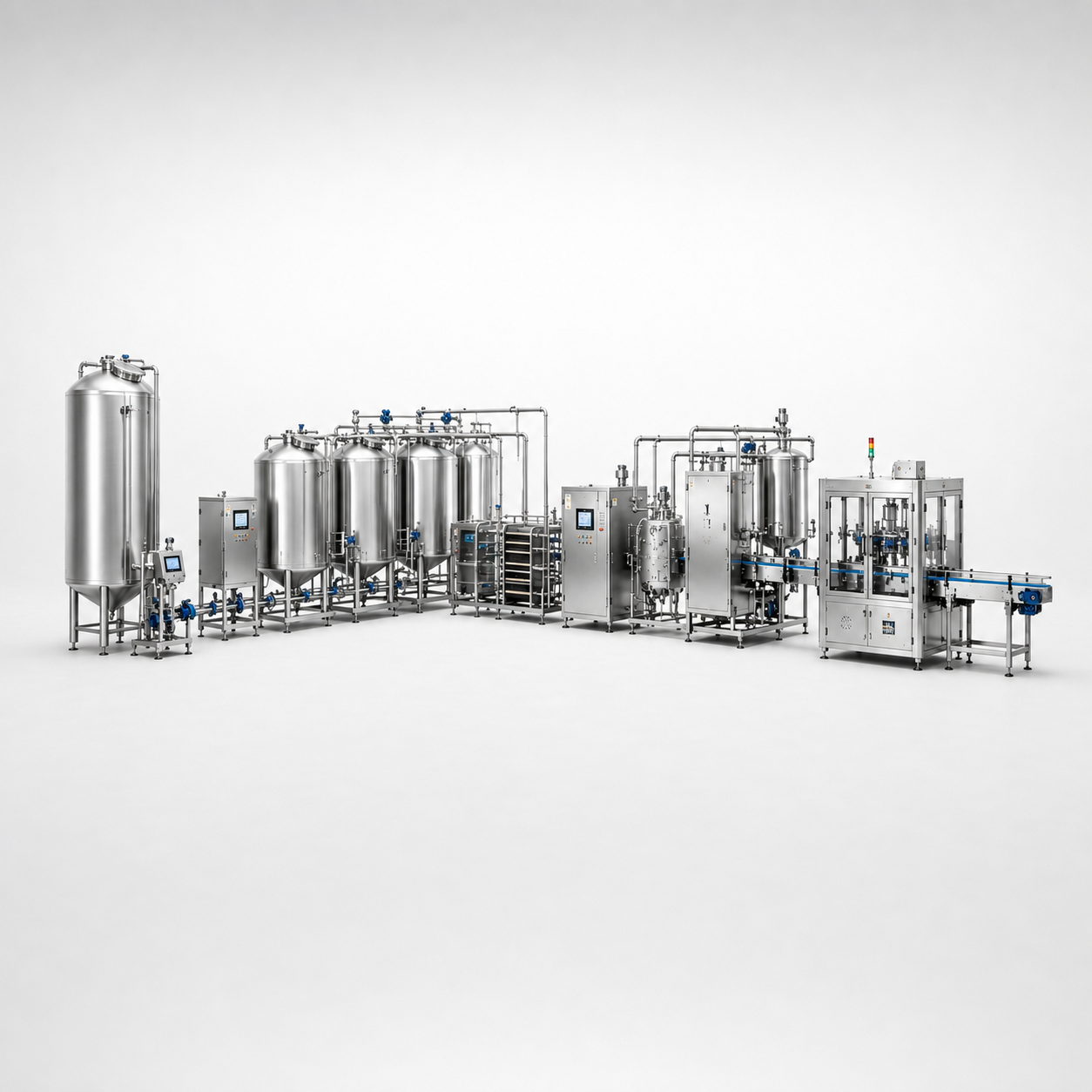
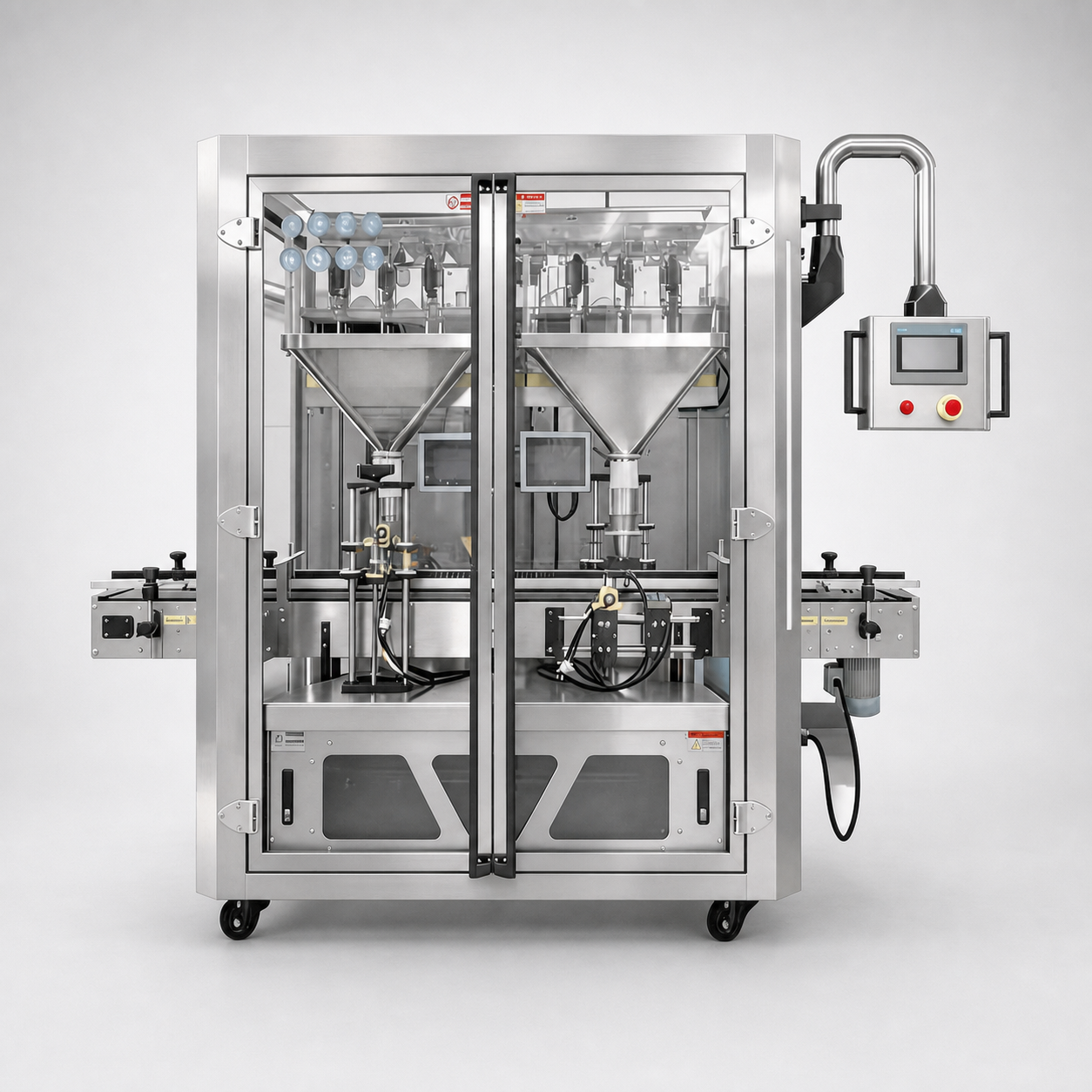
Shengtu UHT sterilization and aseptic filling production line

UHT Aseptic Filling Line

For liquid food projects where the product is heat-treated before filling and the downstream sterile zone must preserve that condition. Our review covers product characteristics, sterilizer-homogenizer interfaces, sterile holding, filler format, cleaning logic and utilities.

  • Product and package sterilization paths reviewed separately
  • Sterile-zone interfaces defined in the proposal
  • Cleaning and controls scoped to the project
Explore the UHT Aseptic Filling Line
Shengtu UHT Aseptic Filling Line

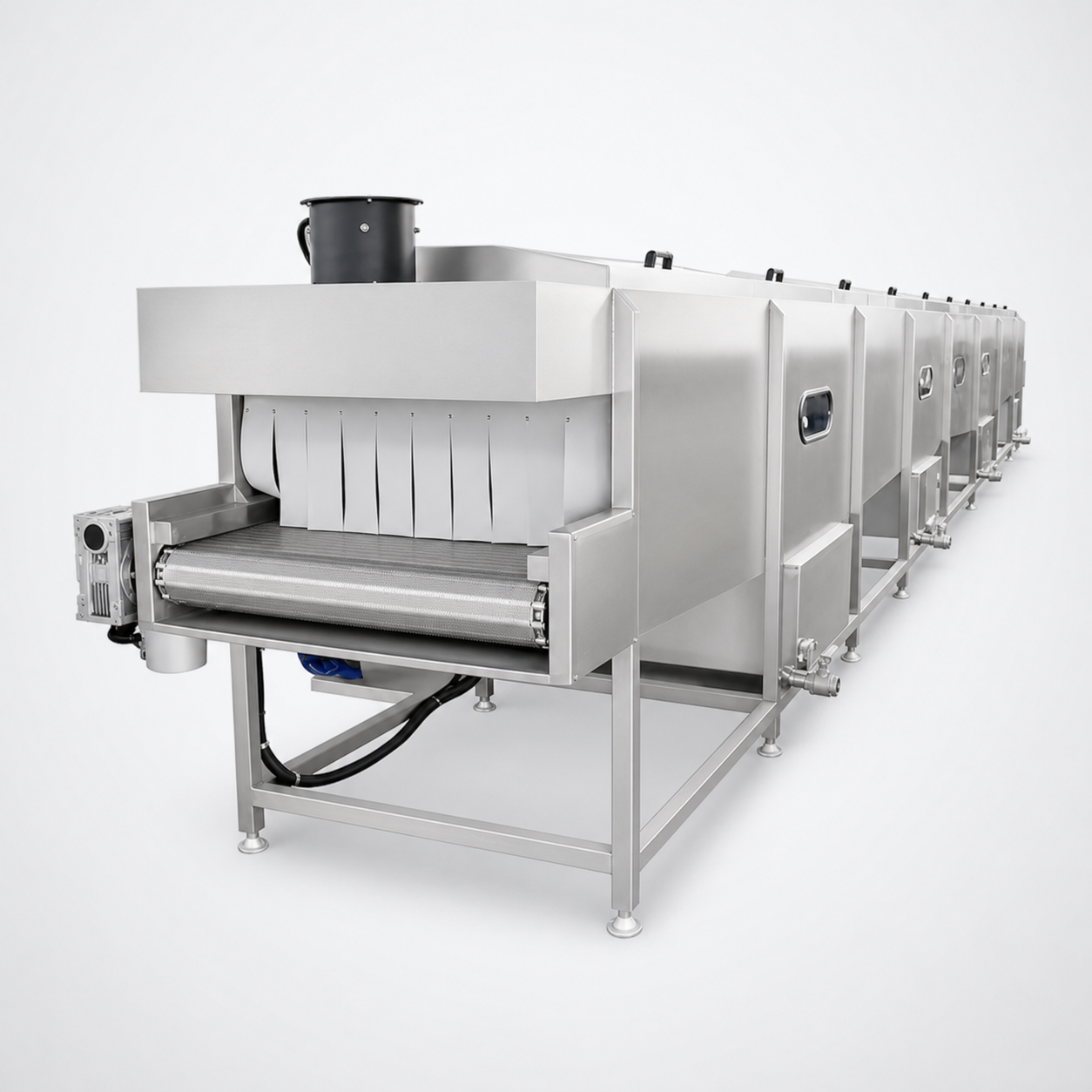
Shengtu bottled beverage tunnel pasteurization line

Tunnel Pasteurization Line

For filled and closed beverage containers that require a controlled heat-up, holding and cooling profile. Product heat response, container pressure, closure behavior, conveyor loading and pasteurization-unit control belong in the same review.

  • Designed around the filled container
  • Heating and cooling zones coordinated
  • Container handling interfaces included
Explore the Tunnel Pasteurization Line
Shengtu Tunnel Pasteurization Line

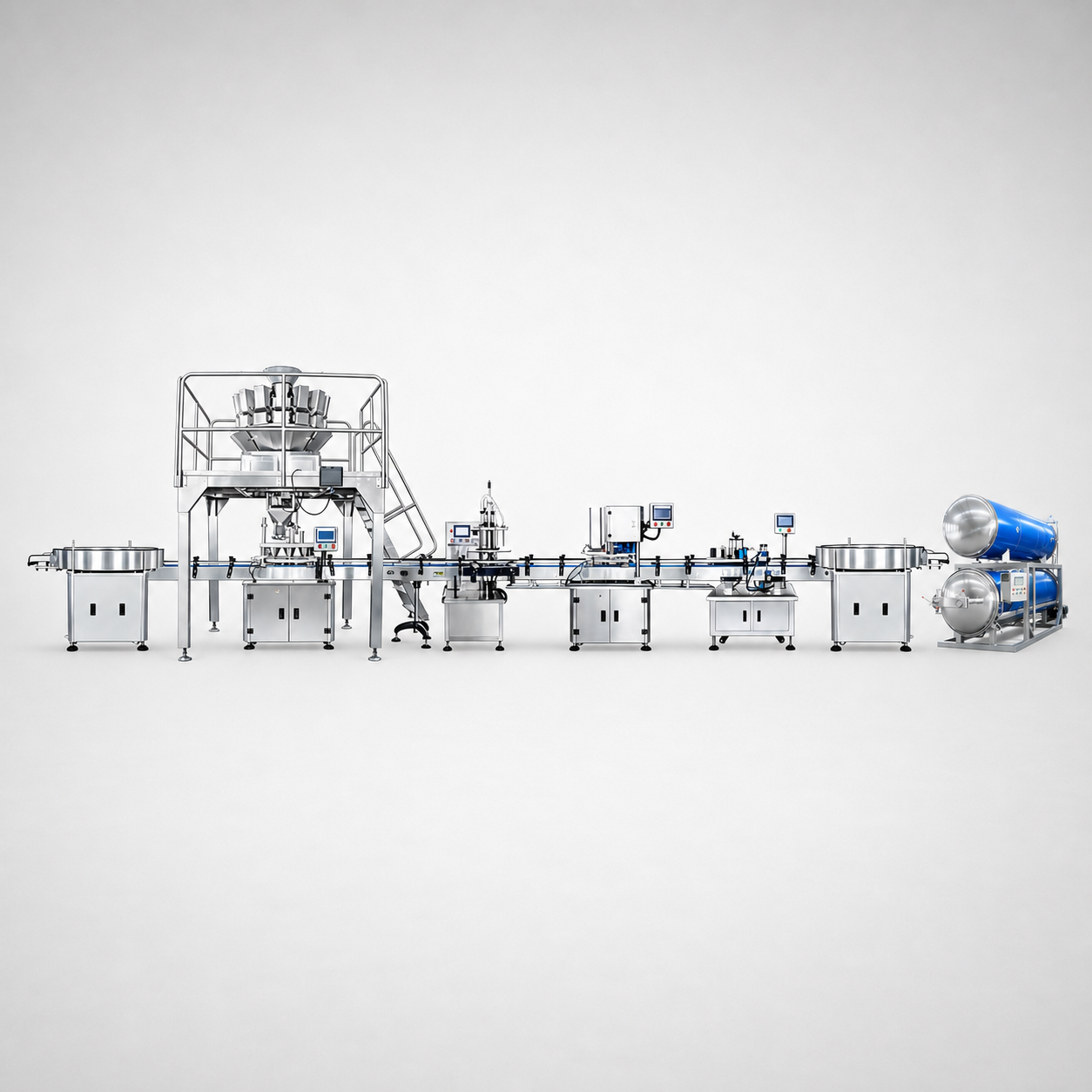
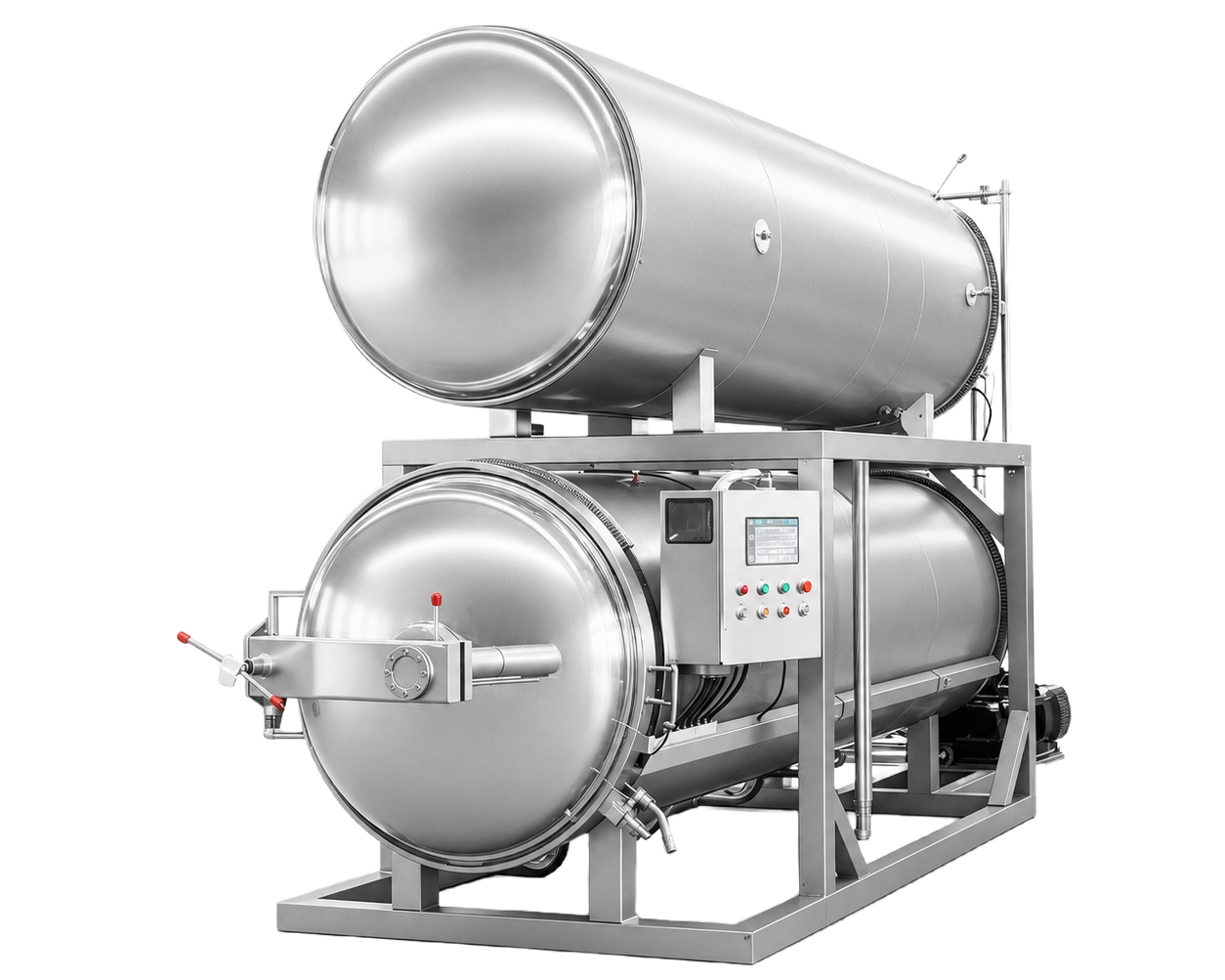
Shengtu canned and pouch food retort production line

Retort Canned & Pouch Line

For sealed cans, jars, trays or flexible pouches requiring an in-container thermal process. Qualified process authorities use product and package data to establish the scheduled process; the line proposal then addresses filling, sealing, basket or tray handling, retort interfaces and post-process handling.

  • Package geometry and closure enter the scope
  • Retort loading and handling path reviewed
  • Process records and responsibility boundaries defined
Explore the Retort Canned & Pouch Line
Shengtu Retort Canned & Pouch Line

Project Inputs That Make a Proposal Useful

This table collects the minimum technical inputs for route screening. Your product development, package, operations and compliance teams provide the values; Shengtu prepares a scoped line concept.

EQUIPMENT // VIEW Tunnel sterilizer for project route screening
DATA SET 01-02

1. Food chemistry

Data to provide:

Equilibrium pH, water activity and formulation category

Decision supported:

Regulatory and process-route screening

2. Physical behavior

Data to provide:

Viscosity, solids, particulates and separation risk

Decision supported:

Heat-transfer and filling review

DATA SET 03-04

3. Package

Data to provide:

Material, dimensions, closure, volume and headspace

Decision supported:

Handling, pressure and thermal-response review

4. Fill conditions

Data to provide:

Temperature, accuracy, hygiene zoning and changeover needs

Decision supported:

Filler and sterile-boundary configuration

PAGE 1 / 2
DATA SET 05-06

5. Output target

Data to provide:

Accepted units per hour, shifts and product mix

Decision supported:

Balance and accumulation concept

6. Utilities

Data to provide:

Steam, water, cooling, air, power and drainage

Decision supported:

Site-load and interface schedule

DATA SET 07-08

7. Storage outcome

Data to provide:

Ambient or refrigerated distribution and target shelf life

Decision supported:

Process endpoint and validation planning

8. Jurisdiction

Data to provide:

Destination markets and regulated product category

Decision supported:

Documentation and specialist-review path

PAGE 2 / 2

Product and Package Inputs Drive the Selection

Useful proposals start with food and package, not an estimated machine width. We review the inputs that change heat transfer, filling performance, container handling and the validation route.2

Why the intake matters

Package mismatch creates a rework risk because filling, closure and thermal response are linked. Shengtu uses the 8 input sets below to resolve that gap before equipment release.

Product profile

  • Equilibrium pH and water activity
  • Viscosity, solids and particulate size
  • Product style and packing medium
  • Heat sensitivity and quality priorities

Package profile

  • Material, geometry and nominal volume
  • Closure or seal construction
  • Fill temperature and headspace
  • Pressure, cooling and handling limits
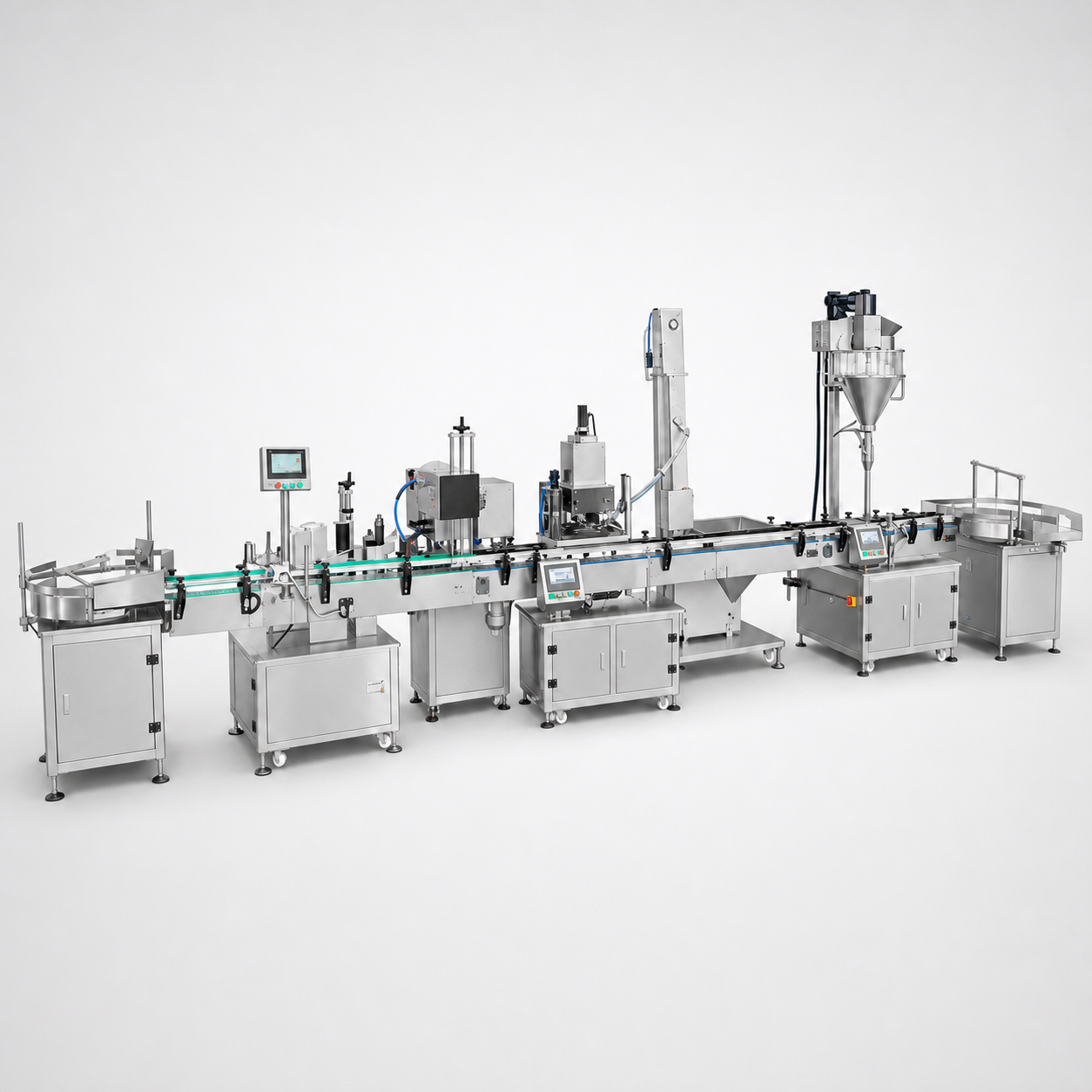
EQUIPMENT // VIEW Food processing filling machine equipment modeling

Line Integration and Digital Controls

We consider the sterilizer, filler, retort or tunnel as a system of material flow and data flow. Our proposal defines the upstream and downstream interfaces, utility zone, control handshakes and acceptance records.1

SYSTEM_PHILOSOPHY //

“A line is ready for intelligent operation when the equipment, interfaces and records are designed together.”

— Shengtu Engineering Team
01

Machine controls

We configure PLC control, HMI operation, equipment linkage, data records, alarm reminders, remote monitoring and system integration evaluation according to project requirements and site conditions.

02

Industrial connectivity

We can evaluate low-code control boxes, multi-protocol gateways and STUnit industrial internet platform functions when the plant needs equipment-level data exchange or remote service.

03

Interface ownership

We document who supplies each signal, utility connection, conveyor interface, recipe field, record and acceptance check before manufacturing release.

Scope, Cost Drivers and Project Schedule

Line cost reflects the chosen process route, product-contact design, package format, accepted output, level of automation, utilities, integration boundary, documentation and site-service scope. Shengtu quotes the commercial figure after we review these drivers.

Hidden scope is a schedule risk

An interface gap can delay factory acceptance because controls, utilities and conveyors bind several suppliers. Shengtu resolves the 5 cost-driver groups in the proposal and links each one to an owner.

COST DRIVERS HUB // SYS.ACTIVE
SECURE

Product and hygiene design

Why it changes scope PRM-A
Changes product-contact equipment, cleaning logic and zoning
Useful buyer input PRM-B
Recipe family and cleaning requirements

Package and changeovers

Why it changes scope PRM-A
Changes filling, closing, guides and handling hardware
Useful buyer input PRM-B
Drawings, samples and format list

Accepted output

Why it changes scope PRM-A
Changes machine balance, accumulation and utility demand
Useful buyer input PRM-B
Accepted units per hour by format

Automation and records

Why it changes scope PRM-A
Changes controls, sensors, data interfaces and testing
Useful buyer input PRM-B
Plant control and record requirements

Site and service scope

Why it changes scope PRM-A
Changes installation, commissioning, training and travel
Useful buyer input PRM-B
Layout, utility points and project location

Schedule logic

Our project sequence covers process review, mechanical design, equipment manufacturing, factory checks, packing, delivery, installation coordination and after-sales support. Dates and acceptance milestones are fixed in the written proposal for the selected scope.

Validation and Responsibility Boundary

Equipment qualification and a food product’s scheduled process are different but related work. A qualified processing authority or other specialist assesses the thermal process, and the processor manages routine operation, monitoring, records and deviations under the established rules.

PARTY_01 //

Shengtu

Core responsibility

Supply the agreed equipment, controls, documentation and interface scope; support agreed tests and commissioning activities.

Project evidence

Proposal, drawings, interface list and acceptance records

PARTY_02 //

Processing authority or qualified specialist

Core responsibility

Establish or evaluate the product- and package-specific scheduled process where applicable.

Project evidence

Signed process documentation or evaluation

PARTY_03 //

Processor

Core responsibility

Operate the line, monitor critical factors, maintain records, manage deviations and control product disposition.

Project evidence

Operating records, procedures and deviation files

How We Work: Developing the Line Scope

01
PHASE 01 // ANALYSIS

Qualify the product

We review formulation, physical behavior, storage target and jurisdiction.

02
PHASE 02 // LOGISTICS

Lock the package path

We review container, closure, fill and handling requirements.

03
PHASE 03 // ROUTING

Select the process family

We separate UHT aseptic, tunnel and retort endpoints.

04
PHASE 04 // ENGINEERING

Map equipment and utilities

We define machines, interfaces, utilities and control boundaries.

05
PHASE 05 // COMPLIANCE

Assign validation ownership

We state Shengtu, specialist and processor responsibilities.

06
PHASE 06 // EXECUTION

Issue the proposal

We document scope, source, milestones, acceptance and service.

Manufacturing-source disclosure

Shengtu reports four owned or self-built manufacturing bases. Specialized or supplementary machines may be supplied by selected long-term partner factories, and the proposal identifies the manufacturing source and responsibility for each included equipment item.

Manufacturing Capability and How We Work

Shengtu combines food-machinery engineering with control and industrial-internet development. Its supplied company record includes 100+ R&D projects, 100+ software copyrights and 7 invention patents.

100+ R&D PROJECTS
100+ SOFTWARE COPYRIGHTS
7 INVENTION PATENTS
01

Integrated delivery

We cover process design, mechanical design, equipment manufacturing, installation, delivery and after-sales support for turnkey production-line projects.

02

Digital development

We develop equipment and digital functions together so controls, gateways, data records and future upgrades can share a planned architecture.

03

Global operating base

Shengtu reports equipment exported to 52 countries with more than 2,000 machines running worldwide.

When Another Process Route Fits Better

Avoiding the wrong route is part of an effective engineering review. Unspecified trade-offs delay validation, and an unsuitable route can cause unnecessary package rework.

Use the endpoint as the evidence

These routes are not interchangeable because FDA process categories and product-specific validation define different risks. Shengtu uses the 3 route families to show where to look instead.

PAGE 01 / 04
REPORT // 01

A tunnel is expected to create commercial sterility for a low-acid sealed food

CONFLICT ANALYSIS

Pasteurization and commercial sterilization use different process endpoints.

RECOMMENDED NEXT STEP

Send the formulation and package for retort and processing-authority review.

REPORT // 02

An aseptic line is requested without a defined sterile package path

CONFLICT ANALYSIS

Product treatment alone does not establish a complete aseptic system.

RECOMMENDED NEXT STEP

Define package sterilization, sterile-zone and closure controls before sizing.

REPORT // 03

A fixed machine model is selected before the package is stable

CONFLICT ANALYSIS

Format and closure changes can alter filling, handling and thermal response.

RECOMMENDED NEXT STEP

Freeze the package or scope a documented design range.

REPORT // 04

The project still needs upstream forming, cutting or prepared-meat processing

CONFLICT ANALYSIS

Thermal processing does not replace the product-preparation line.

RECOMMENDED NEXT STEP

Review Shengtu’s meat and poultry processing line options before fixing the downstream sterilization route.

Sterilization & Aseptic Filling Planning Tools

01

MODULE 01

Route Selector

Open Route Selector
02

MODULE 02

Project Input Checklist

Open Input Checklist
03

MODULE 03

Responsibility Matrix

Open Responsibility Matrix

FAQ: Sterilization and Aseptic Filling

In aseptic processing, the product and packaging system are sterilized through coordinated paths and the product is filled under controlled sterile conditions. Terminal processing applies the heat process after the product is sealed in its final container.

It fits filled and closed beverage containers when the validated objective is pasteurization and the package can tolerate the heating and cooling profile. It should not be described as commercial sterilization without product-specific authority.

Equilibrium pH is one input used to determine the regulatory and thermal-processing path for acidified or low-acid foods. Formulation, package and destination market still require qualified review.

Recognized processing authorities or other qualified specialists establish or evaluate it where required. Shengtu supplies the agreed equipment and control scope, while the processor owns routine operation and records.

Our project review links zone temperatures, conveyor residence time, container loading and product response to the agreed control and monitoring plan. Final limits come from the validated product and package process.

Container pressure and closure behavior must be reviewed across the heating and cooling profile. Send the package specification, carbonation condition and filled samples for the equipment and process review.

Provide the 8 input sets in the project table: food chemistry, physical behavior, package, fill conditions, output, utilities, storage outcome and jurisdiction. Layout and existing-machine interface files make the scope stronger.

We evaluate PLC, HMI, equipment linkage, data records, alarm reminders, remote monitoring, low-code control boxes, multi-protocol gateways and STUnit functions according to project requirements and site conditions.

Each written proposal identifies the manufacturing source and responsibility for every included equipment item. Shengtu reports 4 owned or self-built manufacturing bases and uses selected long-term partner factories for specialized or supplementary machines when needed.

Start Your Line-Selection Check

Share the product profile, package files, output target, storage goal, utilities, layout and destination market. Shengtu engineers can then return a preliminary route and responsibility review tied to your project.

References & Sources

  • U.S. FDA — Aseptic Processing and Packaging for the Food Industry
  • U.S. FDA — Guide to Inspections of Low-Acid Canned Food 8
  • U.S. FDA — Acidified and Low-Acid Canned Foods Guidance
  • National Research Council — Pasteurization and Food Preservation
  • U.S. FDA — Juice HACCP Regulator Training
  • U.S. FDA — Guide to Inspections of Low-Acid Canned Food 10