Get in touch with Shengtu Bufan Company

Dairy Processing Equipment and Complete Liquid Food Processing Lines
We build dairy processing equipment for three liquid food processing lines from one workshop in Weifang: pasteurised and ultra-high-temperature milk, fermented dairy through to cheese and butter, and tomato, chilli and compound sauce. Each line ships as matched equipment with one control philosophy rather than as machines bought from four suppliers and wired together on your floor. Send your daily volume and product type and we return the configuration built around it.
Engineer-reviewed quotation within 24 hours
Complete line scheduled at 60-90 working days
316 stainless steel on every product-contact surface
1 set minimum, single machines accepted
Get a Line Proposal
Your product brief, recipe parameters and layout drawings are treated as confidential, and we sign a non-disclosure agreement on request.
Not ready for a quotation? Send us your daily volume and product type and we return the line configuration and equipment list for it, with no price attached.
Dairy Processing Equipment and Line Capabilities
Our work covers the whole liquid path: reception and chilled storage, heat treatment, homogenisation, fermentation or concentration, filling, and clean-in-place. Machinery is built in-house and the control system is written against it, which is why a line arrives with one programmable logic controller philosophy instead of six operator panels that disagree with each other.
Batch pasteurising vessels, plate heat exchangers for continuous pasteurisation, tubular pre-heaters and ultra-high-temperature sterilisers. Our ultra-high-temperature unit runs 0.5-1 t/h. Sterilising temperature is 115-135 °C and high-temperature hold is 4-6 seconds, with product leaving the unit below 65 °C.
Two-stage homogenisers, mixers and agitated process vessels for milk, cream and cultured product. Our homogeniser works at 20 MPa, with 25 MPa available, and homogeniser capacity is 300 L/h. Homogenisation reduces the mean diameter of the fat globules so the cream layer stops forming during shelf life.
Jacketed fermentation tanks with steam heating and slow agitation for yogurt, kefir and cheese culture. Our cheese fermentation vessel is a three-layer build with a 950 mm inside diameter and a 0.55 kW agitator. Chilled storage tanks are 300 L with polyurethane insulation and a clean-in-place spray head fitted.
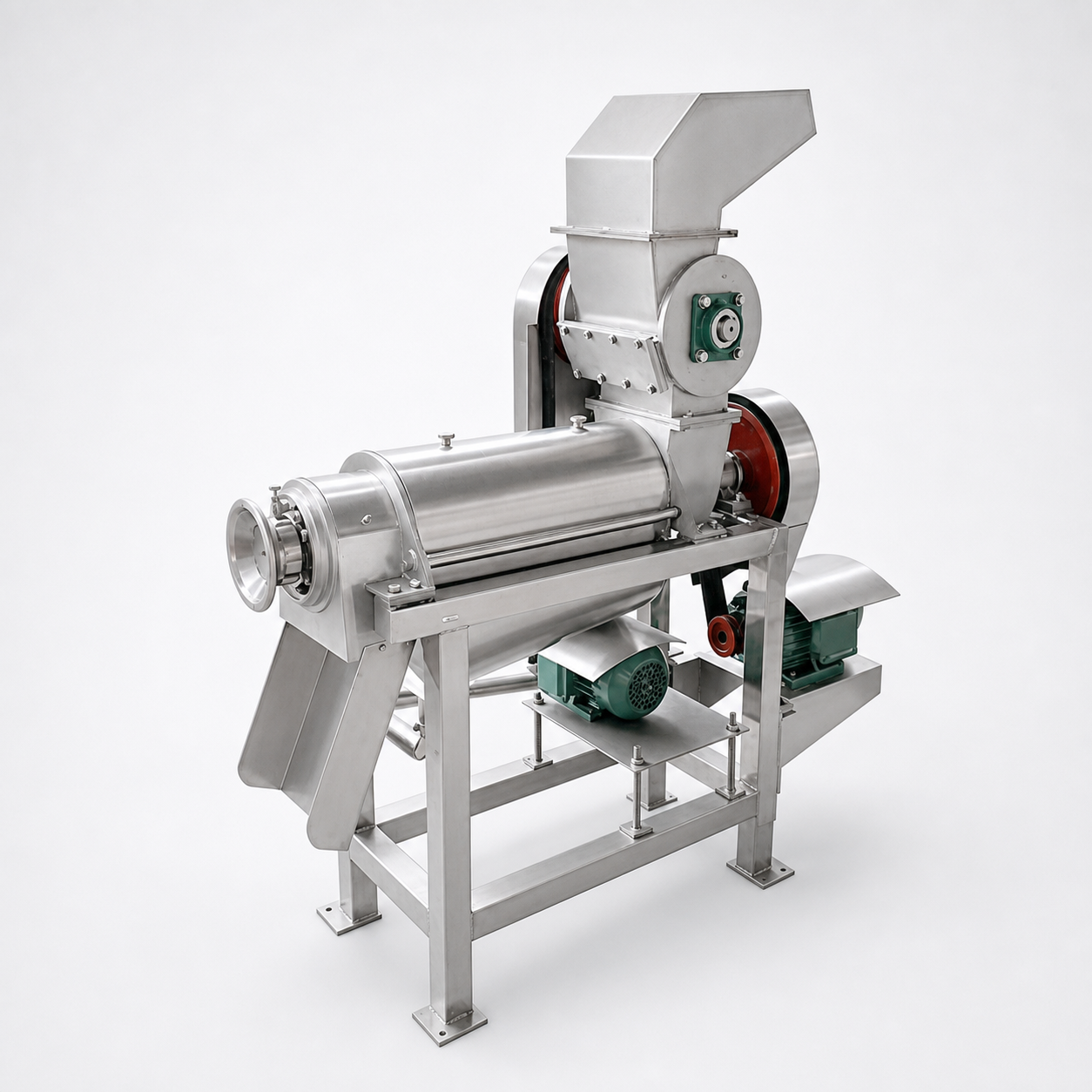
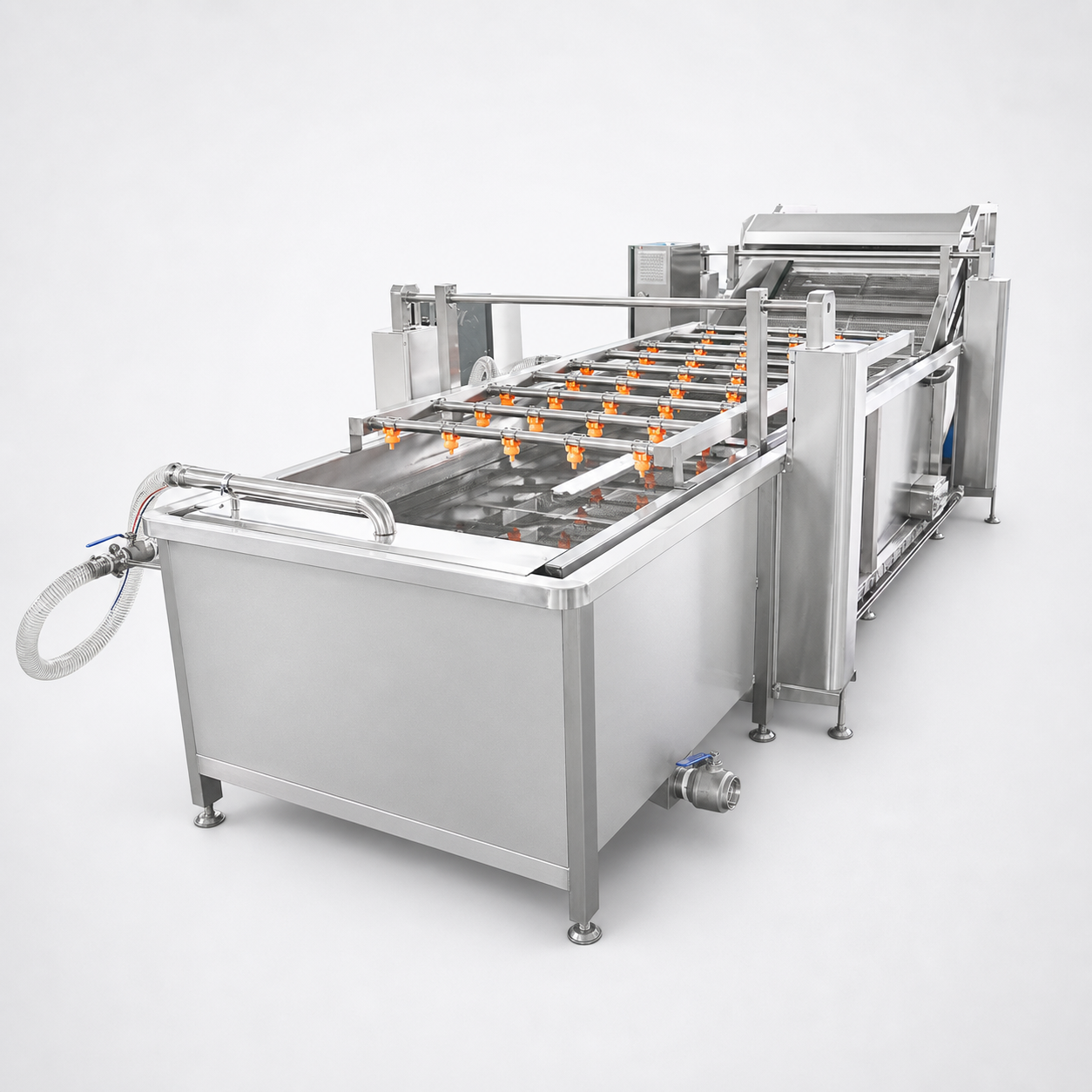
Bubble washing, crushing, enzyme deactivation, vacuum concentration and retort sterilising for tomato, chilli and compound sauce. Our tubular pre-heater deactivates enzymes at 65-85 °C before the pulp reaches the evaporator. Its retort is rated to 143 °C with steam heating and alternating feed and circulation pumps.
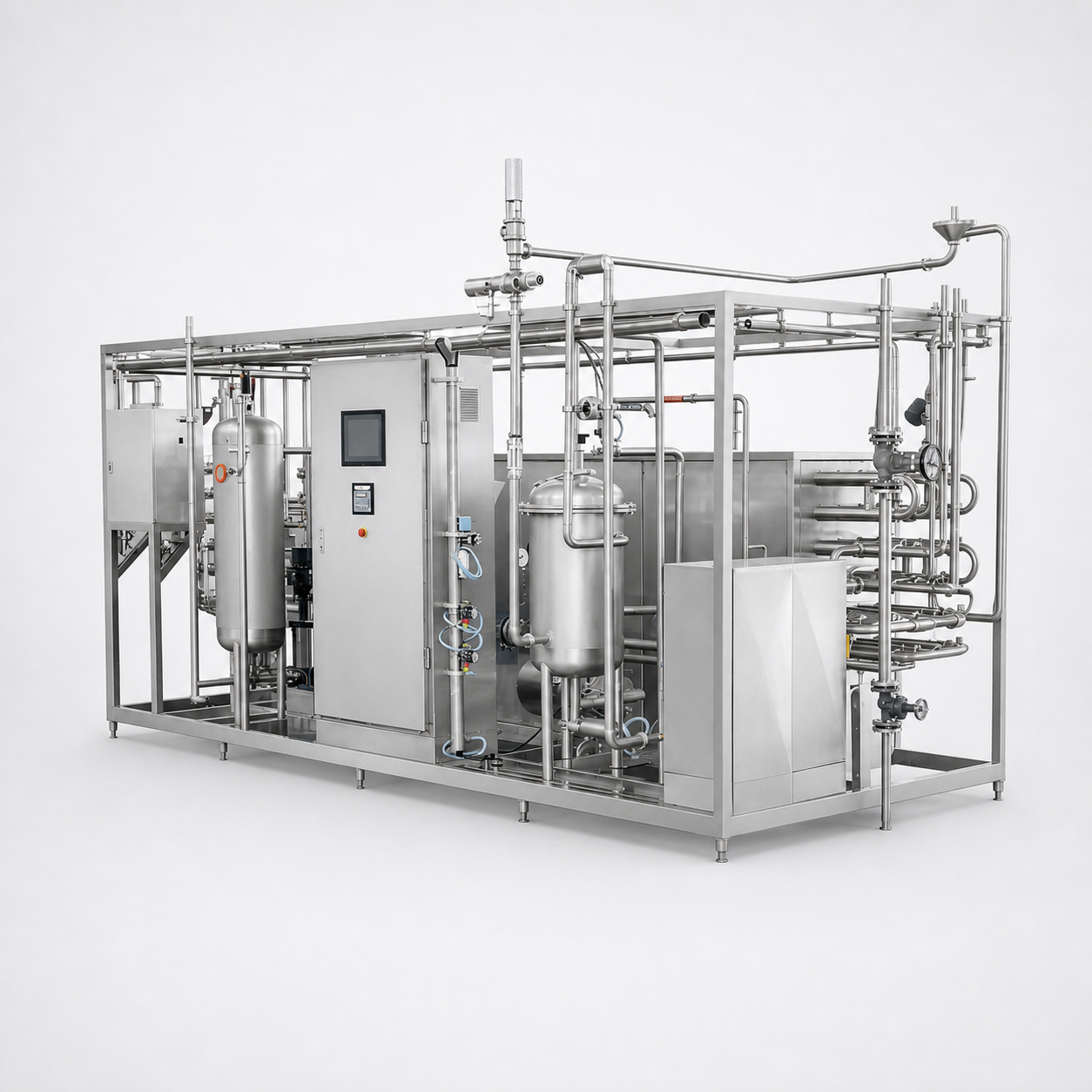
Products These Lines Are Built For
- Pasteurised fluid milk, extended shelf life milk and ultra-high-temperature milk in pouch or bottle
- Set and stirred yogurt, fermented milk drinks and kefir
- Cheese curd, pressed cheese and butter
- Cream, flavoured milk and reconstituted dairy product
- Tomato paste, tomato sauce and ketchup from fresh tomato or from concentrate
- Chilli sauce, compound sauce and vegetable-based condiment
- Ice cream mix preparation, where the batch vessel is a deliberate choice rather than a compromise
For pasteurized milk, a milk processing line uses a pasteurizer with defined temperature control through the pasteurization hold, diversion and cooling stages. Homogenization can improve cream stability before the filling machine, while the downstream cooler must cool the product to the temperature agreed for filling.
A small scale milk processing plant may start with a batch vessel and a compact filler, then reserve hygienic tie-in points for continuous pasteurisation. Continuous processing is not always the right answer; the trade-off is changeover flexibility against steady throughput and tighter record control.
The Three Production Lines We Build
Each line below is a defined equipment set, not a category page. Specifications shown come from our own equipment schedules, and each line has its own page with the full machine list.
Pasteurised and UHT Milk Line
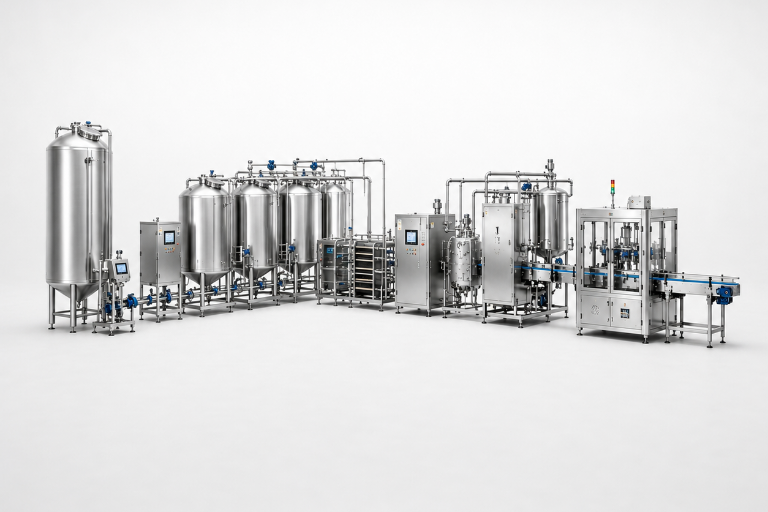
Client-supplied line rendering showing storage, thermal processing, filling and connected controls; configuration is project-specific.
Pasteurised & UHT milk line detail- Products Pasteurised fluid milk, extended shelf life milk, ultra-high-temperature milk, flavoured milk
- Core machines Chilled storage tank, pre-heating tank, homogeniser, ultra-high-temperature steriliser, pouch or bottle filler, clean-in-place set
- Heat treatment Sterilising temperature is 115-135 °C with a 4-6 seconds hold; steam supply below 0.4 MPa
- Throughput Our ultra-high-temperature unit runs 0.5-1 t/h
- Filling 20-50 packs per minute, bag 20-180 mm long by 20-140 mm wide
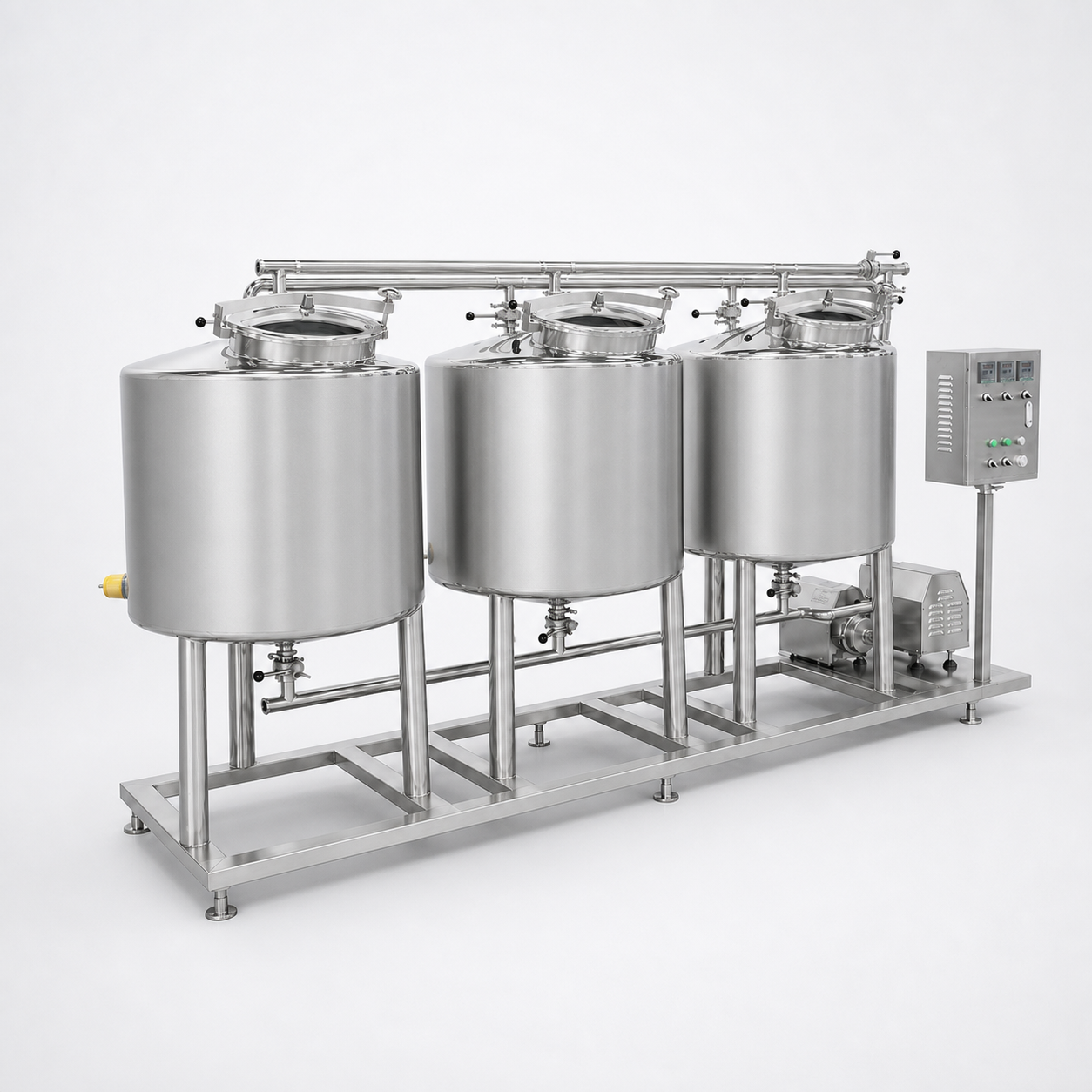
- Cleaning The clean-in-place set carries 400 L acid and alkali tanks with automatic dosing and Siemens control
Yogurt, Cheese and Butter Line
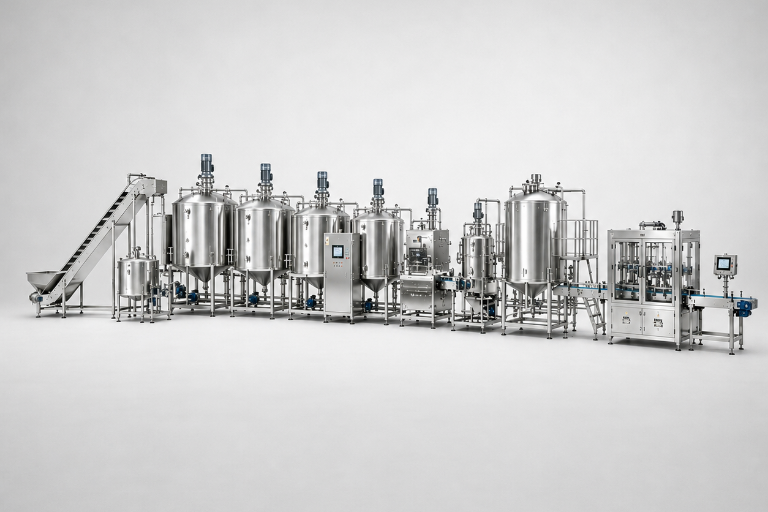
Client-supplied line rendering of a vessel-based cultured dairy configuration; final vessel count follows the product brief.
Yogurt, cheese & butter line detail- Products Set and stirred yogurt, fermented milk drink, kefir, cheese curd, pressed cheese, butter
- Core machines Chilled storage tank, homogeniser, batch pasteurising vessel, cheese fermentation tank, cheese press, vacuum packer
- Batch pasteuriser 700 mm vessel diameter, 750 mm shell height, 24 kW heating, 0.75 kW agitator, 30 mm jacket
- Fermentation tank 950 mm inside diameter, 1100 mm outside, steam heated, three-layer with 316 stainless steel product contact
- Homogenisation Homogeniser capacity is 300 L/h at 20 MPa working pressure
- Packing The vacuum packer reaches -0.1 MPa with a 690 × 620 × 105 mm chamber and 60 m³/h pumping
Tomato, Chilli and Compound Sauce Line
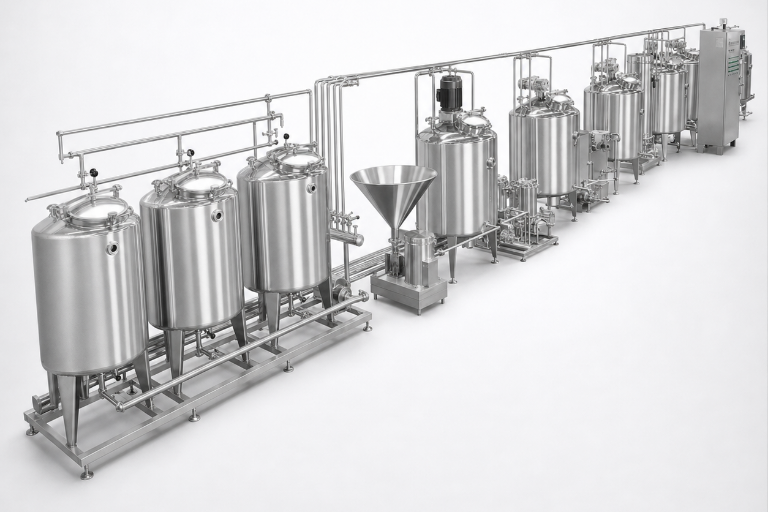
Client-supplied sauce-line rendering with preparation vessels, concentration and filling equipment; actual layout follows the process route.
A tomato paste production line begins when operators sort the raw material, wash it and feed it into the crusher.
This tomato processing route then separates enzyme deactivation, concentration and sauce production into controlled stages.
After concentration, the line can sterilize bulk product for aseptic filling or fill containers before retort sterilization; the chosen sterilizer and filling machine follow the end product and pack format.
- Products Tomato paste, tomato sauce, ketchup, chilli sauce, compound sauce
- Core machines Bubble washing machine, crusher, tubular pre-heater, vacuum evaporator, filler, capper, retort, air knife dryer, labeller
- Washing/Crushing The bubble washer draws 2.2 kW over a 4000 mm bed; the crusher handles 0.5 t/h of fresh tomato
- Enzyme The tubular pre-heater deactivates enzymes at 65-85 °C, rated 1 t/h at 12 kW
- Sterilising The retort chamber is 1200 mm × 3600 mm, two cubic metres, rated to 143 °C
- Filling/Finishing The sauce filler runs 600 bottles per hour across 150-1000 ml; the capper runs 15-50 cans per minute, steplessly adjustable
A Product That Is Not on This List
Plenty of liquid food sits between these three routes: soup bases, plant drinks, syrup, jam and dressing among them. Send the product, the finished pH if you know it, the daily volume and the pack format, and we confirm in the quotation which route fits and what changes.
Hygienic Design and Materials of Construction
Grade substitution is the quiet failure in this trade. Buyers report equipment supplied in 201-grade steel and labelled 304, showing rust within weeks of first production. Our answer is to state the grade for each part of the build and to keep it in the quotation.
Element
What we build it from
Why it is specified that way
Product-contact surfaces
Product-contact surfaces are 316 stainless steel, with 304 on shells and framework
316 carries molybdenum and resists chloride pitting from brine, acid sauce and sanitiser residue
Storage tank wall
3 mm inner shell, 1.5 mm outer shell, 50 mm polyurethane insulation
Holds chilled milk temperature between collection and processing without an external chiller running constantly
Batch pasteuriser plate
3 mm, 2 mm and 1.5 mm plate through the three layers
Jacket and insulation are separated so the heating medium never contacts product
Fermentation vessel
Three-layer build, 316 inner, 304 elsewhere, steam heated
Culture temperature has to hold steady through a long fermentation, not just reach a set point
Retort shell
SUS30408 pressure vessel steel
The vessel is pressure-rated equipment, not a tank; design pressure and test pressure are certified separately
Clean-in-place tanks
316 inner and 304 outer on the acid and alkali tanks; single-layer 304 on the hot water tank
The acid tank sees the harshest duty of anything in the plant and is built accordingly
Sauce line frames
304 stainless steel throughout washing, crushing and concentration
Wet, acidic environment with continuous splash rather than immersion
Line Specifications and Process Limits
The figures below come from our own equipment schedules. Where a range is shown it is the operating range of the machine, not a marketing span.
Ultra-high-temperature throughput
Our ultra-high-temperature unit runs 0.5-1 t/h
Sterilising temperature
Sterilising temperature is 115-135 °C
High-temperature hold
High-temperature hold is 4-6 seconds
Outlet temperature
Product leaves the unit below 65 °C
Steam supply to the steriliser
Below 0.4 MPa
Homogeniser capacity
Homogeniser capacity is 300 L/h
Homogeniser pressure
Our homogeniser works at 20 MPa, with 25 MPa available
Chilled storage tank
Chilled storage tanks are 300 L, 2.8 kW total, 50 mm polyurethane insulation
Batch pasteurising vessel
700 mm diameter, 750 mm shell height, 24 kW heating
Cheese fermentation tank
950 mm inside diameter, 1100 mm outside diameter, 0.55 kW agitator
Vacuum packing
The vacuum packer reaches -0.1 MPa, 60 m³/h, 690 × 620 × 105 mm chamber
Enzyme deactivation
Our tubular pre-heater deactivates enzymes at 65-85 °C, 1 t/h at 12 kW
Retort chamber
Its retort chamber is 1200 mm × 3600 mm, two cubic metres
Retort temperature and pressure
The retort is rated to 143 °C; maximum working pressure is 0.3 MPa, hydrostatically tested at 0.44 MPa
Sauce filling
The sauce filler runs 600 bottles per hour across 150-1000 ml, bottle height 120-300 mm
Capping
The capper runs 15-50 cans per minute, can diameter 50-127 mm
Labelling
Labelling accuracy is ±1 mm at 40-150 pieces per minute stepping, 50-200 with servo drive
Clean-in-place volume
The clean-in-place set carries 400 L acid and alkali tanks, steam heated
Power supply
380 V / 50 Hz three phase across the process equipment
For products within its scope, 21 CFR Part 113 adds scheduled-process, supervision and record obligations to the retort specification.
Cleaning Chemistry the Line Is Designed Around
A single detergent does not clean a dairy line. Extension guidance is explicit that an alkaline or chlorinated cleaner is used first and is followed by an acid cleaner, because the two attack different soils. Alkaline cleaners contain basic alkalies, phosphates, wetting agents and chelating agents, and they dissolve milk fats, proteins and carbohydrates.
- Alkaline stage — removes the organic soil: fat, protein and carbohydrate
- Acid stage — removes or prevents accumulated mineral deposit and milkstone
- Cleaning does not replace sanitising — cleaning removes soils, while the separate sanitising step targets residual microorganisms before production
- Water hardness changes the dose — above 10 grains per gallon it may be necessary to increase detergent concentration, and at 30 grains per gallon or more a water softener should be used
This is why our clean-in-place set carries separate acid and alkali tanks with automatic dosing rather than one tank and a hope. It is also why we ask for your water hardness during the quotation rather than after commissioning.
Pricing, Lead Times and Commercial Terms
When buyers compare dairy processing equipment manufacturers, the first total is not enough because a dairy processing equipment price becomes comparable only after throughput, product route, material grade, degree of automation and pack format are fixed. There is no universal price list for a processing line because two plants asking for the same litres per hour rarely need the same machine list. Your figure comes back in a written quotation against a confirmed layout.
Scope Labels Need an Equipment List
“High-quality” is not an acceptance criterion in the dairy industry. Turnkey and fully automatic are scope labels, not a fixed machine grade. We specialize in project-specific line design, so the quotation states which utilities, controls, installation tasks and acceptance tests are inside the supply boundary.
Driver
Effect on cost
How to reduce it
Throughput
Sets the size of every vessel, pump and heat exchanger downstream
Quote the volume you will actually run in year one, with a stated expansion path, rather than the volume you hope for
Number of product routes
A line making yogurt and cheese needs vessels a milk line does not
Start with one route and specify the tie-in points for the second
Degree of automation
Programmable logic control, automatic dosing and recording add cost against manual valves
Automate the steps that carry a legal record obligation first, manual elsewhere
Pack format
Pouch, bottle, can and aseptic each need a different filler and finishing set
Fix the pack format before the layout, since changing it late changes the tail of the line
Material grade and finish
316 on contact surfaces costs more than 304 and is not negotiable on our builds
Reduce elsewhere; grade substitution is the one saving that comes back as rust
Controller support belongs in that comparison as well. One published machinery-sourcing account describes replacement parts taking eight weeks; USD 8,000 spent on local technicians was the reported repair cost after the warranty had ended. We treat that account as buyer-risk evidence, not as a universal cost benchmark.
Order stage
Lead time
What it covers
Single machine or sub-system
Single machines and sub-systems ship in 30-65 working days after the layout is confirmed
Manufacture, factory test and packing of one machine or a matched pair
Complete line
A complete line is scheduled at 60-90 working days from the confirmed layout and deposit
All machines, control panel, interconnecting pipework and factory acceptance
Installation and commissioning
Engineers travel to your site for installation, commissioning and operator training; on-site work runs 10-25 days once the building services are ready
Positioning, connection, water run, product trial and operator handover
Lead time starts when the layout is approved and the deposit is received, and it excludes shipping and customs. Building services are your side of the boundary: power, steam, compressed air, water and drainage have to be live before commissioning starts. We list the demand figures in the quotation so your contractor can size them.
- Payment 30% deposit by T/T, balance before shipment, L/C accepted
- Shipping terms We ship FOB; other Incoterms on request
- Minimum order 1 set — single machines are accepted, a complete line is not required
- Warranty Warranty terms are confirmed in the quotation and contract
How Your Quotation Is Produced
Quotes are returned within 24 hours on business days, reviewed by an engineer. There is no instant quotation engine on this page, and that is deliberate: a process line is priced against a layout, not against a part number. You get the machine list, the utility demand and the layout assumptions in writing, so a second supplier can be compared line by line.
Quality Assurance and the Obligations a Continuous Line Brings
Most equipment pages tell you the machine is compliant and stop there. That is the wrong shape of answer, because the obligations that matter in a dairy or low-acid canned food plant do not attach to the machine at all. They attach to you, the processor, and they arrive the day you leave batch production behind.
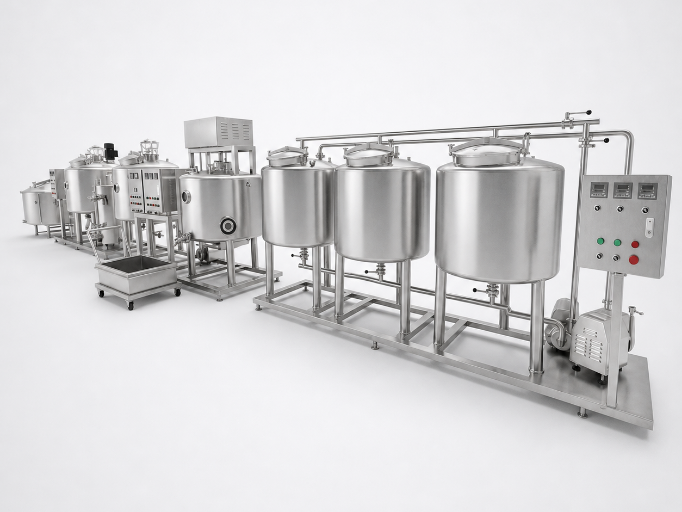
We use this name for the change that happens when a plant moves from vessels to a continuous line. Six obligations appear at that crossing, none of which the batch route required. Every one of them is written down in a regulation or a teaching text, and we have set them out below with the source.
| What changes | What the requirement actually says | Whose obligation it is |
|---|---|---|
| Flow diversion becomes a legal control | Forward flow is safe only when product is above the divert set point and the flow control device is energised by the safety thermal limit recorder or a legal programmable logic controller. An indicating thermometer and the recorder-controller sit at the end of the holding tube, with the diversion device downstream of both. | Ours to build and wire correctly; yours to keep in calibration and to prove daily |
| Homogenisation becomes a separate unit operation | A homogeniser forces product through a small orifice at pressure, cutting the mean diameter of the fat globules and raising their number and surface area, so no cream layer forms. In a worked reference case the liquid enters the valve at 4-6 metres per second and accelerates to 120 metres per second in roughly 0.2 milliseconds. | Ours to size against your fat content and throughput |
| Cleaning needs acid as well as alkali | An alkaline or chlorinated cleaner is followed by an acid cleaner. Alkaline cleaning dissolves fat, protein and carbohydrate; the acid stage removes mineral deposit and milkstone. Cleaning and sanitising remain separate operations. | Ours to supply as separate circuits; yours to run at the right concentration for your water |
| A scheduled process has to exist | For low-acid canned food the scheduled process is selected by the processor and must be at least equivalent to the process established by a competent processing authority. | Yours. No equipment supplier can establish it for you. |
| A named person has to be qualified | Thermal processing systems must be under the operating supervision of a person who has attended a school approved by the Commissioner, was identified by that school as having satisfactorily completed the course, and who supervises only in the areas covered by that certification. In the United States this is the Better Process Control School. | Yours, and it is a named individual rather than a company registration |
| Records outlive the product | Processing records are retained at the plant for not less than 1 year from the date of manufacture, and at the plant or another reasonably accessible location for an additional 2 years. Records are reviewed by a qualified representative of plant management not later than one working day after the process and before shipment or release. | Yours to keep; ours to make sure the line can produce them |
None of this makes a continuous line a bad idea. It does mean that the plant which buys a line without staffing the scheduled process and the certified supervisor has bought a machine it cannot legally run, and that is a far more expensive mistake than choosing the wrong filler.
What a Supplier Review Does and Does Not Mean
Buyers often ask which government body has approved a piece of equipment. That answer is less tidy than the question, and it is worth having straight before you compare suppliers.
- The United States Department of Agriculture equipment review is a voluntary, fee-based service, not a mandatory clearance
- The official identification mark is a meat and poultry instrument rather than a general food equipment approval
- 3-A Sanitary Standards is a separate private standards body again, with its own scope
We say this plainly because the alternative is to let a buyer assume a stamp exists that does not. Those obligations under the low-acid canned food rules fall on the processor, and knowing that before you order is worth more than a badge on a supplier page.
How Every Order Is Checked
1
COLLECT
Material verification before fabrication, with the grade recorded for product-contact parts and shells separately
2
SCREEN
Pressure vessel testing on the retort: design pressure 0.35 MPa, max working pressure 0.3 MPa, hydro tested at 0.44 MPa
3
CLARIFY
Dry run of the control system, checking recorder, sensor and diversion device act together
4
QUOTE
Water run at temperature before product introduced, CIP circuit proven on same pass
5
APPROVE
Factory acceptance against the machine list in quotation, results written down
6
HANDOFF
Site commissioning, product trial and operator training by travelling engineers
“A processing line is ready only when the product route, utilities, cleaning sequence and acceptance limits agree on the same drawing.”
Retort Details That Decide a Sauce Line
For any sauce that ends up inside a retort, two details from the low-acid canned food rules matter more than the catalogue photograph. Come-up time is defined as the time between introducing steam into the closed retort and the retort reaching the required processing temperature. Bleeders must emit steam continuously during the entire processing period, and the temperature-indicating device sensor well needs its own bleeder of at least 1.5 millimetres.
Operational Rules & Evidence
- Air has to be removed before processing starts, and the venting evidence is kept on file
- Whether your sauce falls under the low-acid rules at all depends on its finished pH, which is a question for your processing authority rather than for us
- Our retort is supplied with alternating feed and circulation pumps at 7.5 kW and 5.5 kW so the vessel can hold its schedule rather than chase it
- Documents travel with the equipment: material grade records, the pressure vessel test record for the retort, the electrical schedule and the control system documentation. If a machine measures or performs outside what the quotation states, we rework or replace it against the same written acceptance criteria used at factory acceptance.
How We Work
Decisions That Lower Your Cost
Decision
What to specify
Why it saves money
Heat recovery
Ask for regeneration on any continuous pasteuriser
A regenerative heat exchanger recovers heat from outgoing product into incoming raw product; a University of Guelph worked example calculates 89.7% heat-regeneration efficiency from milk entering at 4 °C, leaving regeneration at 65 °C and reaching 72 °C
Batch size against vessel size
Match the fermentation vessel to one production batch, not to the daily total
A part-filled jacketed vessel heats badly and holds culture temperature worse than a full one
Water hardness
Give us the figure in grains per gallon before the quotation
Above 10 grains per gallon it may be necessary to increase detergent concentration; at 30 grains per gallon or more a water softener should be used, which is cheaper to install now than to retrofit
Utility sizing
Take the demand figures from the quotation to your building contractor early
Commissioning cannot start until steam, power, air and drainage are live, and this is the most frequent cause of a delayed start
Pack format
Fix pouch, bottle or can before layout freeze
The filler, capper, dryer and labeller are all chosen from it, so a late change replaces the tail of the line
We also publish the thermal process comparison we use internally when a buyer is deciding between a batch vessel, a continuous pasteuriser and an ultra-high-temperature line.
Process Routes, Applications and the Engineering Behind the Line
The three routes below are the ones our equipment is built around. Which one you need is decided by the product and the shelf life you are selling into, not by the size of your plant.
The vessel route, and still the right answer for some products. The University of Guelph dairy text cites Ontario's batch reference of 63 °C for not less than 30 minutes. It stays standard in ice cream because ingredients dissolve into the mix during the long heat step.
A plate heat exchanger with a regenerator, a holding tube and a flow diversion device. Canadian federal guidance uses 72 °C for 15 seconds for milk below 10% fat; the University of Guelph text separately cites Ontario's 72 °C for not less than 16 seconds. Cold raw milk at 4 °C is warmed by outgoing pasteurised milk before it ever meets the heating medium.
Sterilising temperature is 115-135 °C on our unit with a 4-6 seconds hold. One patent defines the route as heating to 280 °F and holding a minimum of two seconds. Product leaves the unit below 65 °C, ready for aseptic or clean filling.
This choice is rarely discussed and it changes the product. United States Patent 5,443,857, assigned to Tetra Laval, describes indirect heating as holding milk above 120 °C for considerably longer and associates that exposure with higher lactulose, a measure of heat damage. If cooked flavour matters to your market, raise it during the quotation.
Wash, crush, deactivate enzymes, concentrate under vacuum, fill and sterilise. Vacuum concentration removes water at lower temperature, which protects colour and flavour in tomato pulp. Enzyme deactivation at 65-85 °C is what fixes viscosity before the evaporator sees the product.
For filled and sealed sauce in glass or can. Its retort chamber is 1200 mm × 3600 mm, two cubic metres, with 24 sterilising baskets. Come-up time, venting and bleeder behaviour are all part of the process record rather than optional settings.
Industries We Build For
-
Fluid Milk Plants
Dairies moving from collection and chilling into their own pasteurised or ultra-high-temperature packaged product.
-
Fermented Dairy
Yogurt, drinking yogurt and kefir producers who need culture temperature to hold, not merely to be reached.
-
Cheese and Butter
Small and medium plants adding pressed cheese or butter to an existing milk intake, with vacuum packing at the end.
-
Sauce and Condiment
Tomato, chilli and compound sauce producers running seasonal fresh intake or year-round from concentrate.
-
Contract Packers
Operations running several recipes through one line, where changeover and cleaning decide the real capacity.
-
New Plant Projects
Greenfield builds where the equipment schedule and the building services have to be designed against each other.
RESOURCES
Process Engineering Tools
Dairy and Sauce Processing Equipment FAQs
Pasteurisation reduces the microorganism load enough for a chilled shelf life; the University of Guelph text cites Ontario's 63 °C for not less than 30 minutes in a vessel and 72 °C for not less than 16 seconds in a continuous unit, while Canadian federal guidance lists 72 °C for 15 seconds for milk below 10% fat. Ultra-high-temperature treatment goes far higher for a few seconds so the product can be filled aseptically and stored without refrigeration. Our unit sterilises at 115-135 °C with a 4-6 seconds hold.
Without homogenisation the fat globules rise and a cream layer forms during shelf life. The homogeniser forces product through a small orifice at pressure, which cuts the mean globule diameter and raises globule number and surface area so the emulsion holds. On our line the homogeniser works at 20 MPa, with 25 MPa available.
It is the valve arrangement that sends under-heated product back to the raw side instead of forward to filling. Forward flow counts as safe only when product is above the divert set point and the device is energised by the safety thermal limit recorder or a legal programmable logic controller. The indicating thermometer and recorder-controller sit at the end of the holding tube, with the device downstream of both.
Because they remove different soils. The alkaline stage dissolves fat, protein and carbohydrate, while the acid stage removes mineral deposit and milkstone. Cleaning and sanitising remain separate operations, and above 10 grains per gallon of water hardness it may be necessary to increase detergent concentration.
For low-acid canned food it is the thermal process selected by the processor, and it must be at least equivalent to the process established by a competent processing authority. That obligation sits with the processor rather than the equipment supplier. A competent processing authority establishes the scheduled process; we configure the line to hold and record it.
Yes, and it is a named individual rather than a company registration. Operations must be supervised by a person who has attended a school approved by the Commissioner, who was identified by that school as having satisfactorily completed the course, and who supervises only in the areas covered by that certification. In the United States this is the Better Process Control School.
Records are retained at the processing plant for not less than 1 year from the date of manufacture, and at the plant or another reasonably accessible location for an additional 2 years. They also have to be reviewed by a qualified representative of plant management not later than one working day after the process and before the product is shipped or released. Plan the record system before commissioning, not after the first audit.
Our ultra-high-temperature unit runs 0.5-1 t/h, homogeniser capacity is 300 L/h, and on the sauce side the tubular pre-heater is rated 1 t/h with the sauce filler at 600 bottles per hour. Larger throughput is configured from the same equipment family. Send your daily volume and we return the configuration that matches it.
A complete line is scheduled at 60-90 working days from the confirmed layout and deposit, and single machines and sub-systems ship in 30-65 working days after the layout is confirmed. Engineers travel to your site for installation, commissioning and operator training; on-site work runs 10-25 days once the building services are ready. Shipping and customs sit outside those figures.
30% deposit by T/T, balance before shipment, L/C accepted. We ship FOB; other Incoterms on request. The minimum order is 1 set — single machines are accepted, a complete line is not required.
Warranty terms are confirmed in the quotation and contract, and the control system is our own rather than a generic panel, which means faults can be read remotely instead of guessed at. Spare parts for wear items are quoted with the line so they are on your shelf rather than on a boat. This is the honest weak point of buying from any overseas supplier, and the answer is preparation rather than a promise.
Yes. Send the layout or the machine list you are holding and we will mark what is missing, what is undersized and where the utility demand has been understated. We do this whether or not the order comes to us, because a buyer who understands their own layout is easier to build for.
Product-contact surfaces are 316 stainless steel, with 304 on shells and framework, and the retort shell is SUS30408 pressure vessel steel. Grade is stated per part in the quotation. Substituting a lower grade on contact surfaces is the single most common saving in this trade and it comes back as rust within weeks.
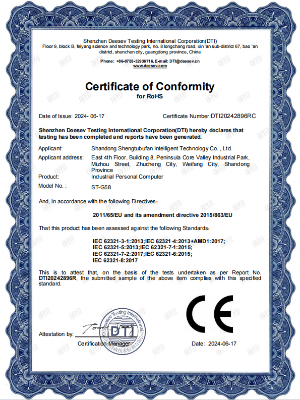
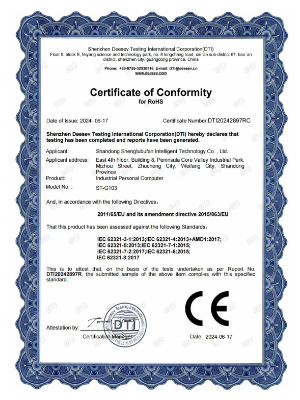
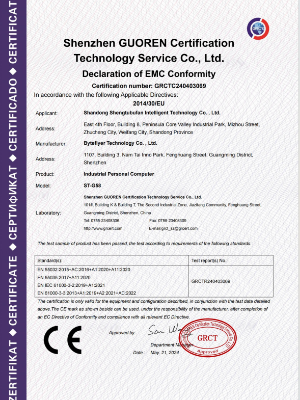
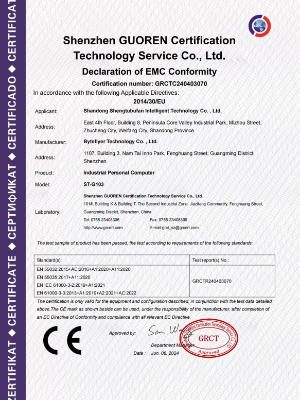
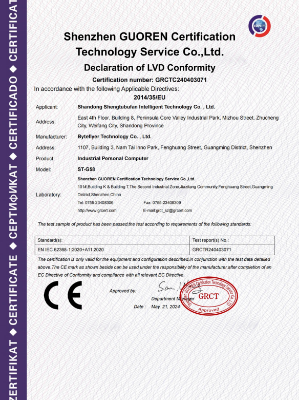
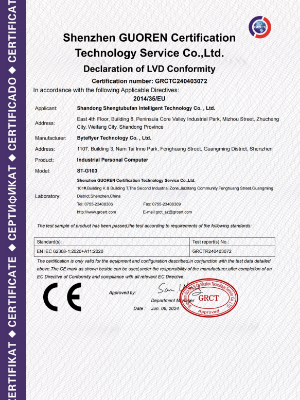
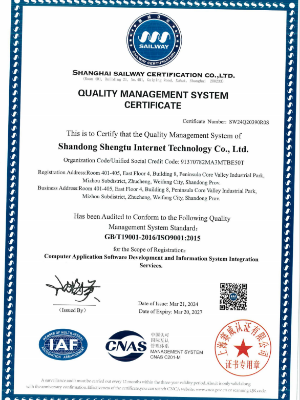
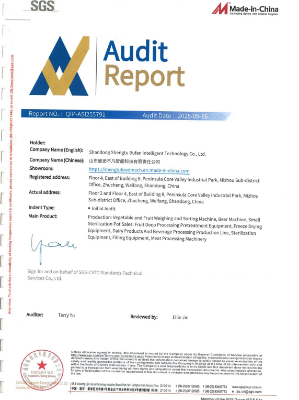
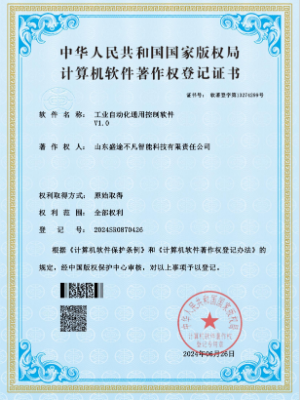
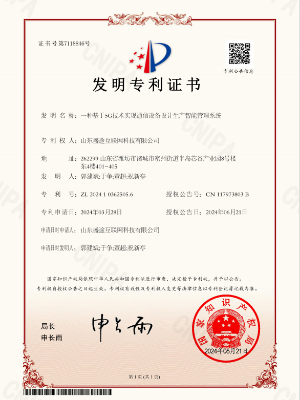
Applicable certificates and documents are confirmed for the equipment model, configuration and destination country. Company management-system records are reviewed separately from product conformity documents.

![F&V Freeze-Drying Line Process Guide [2026]](https://shengtumachinery.com/wp-content/uploads/2026/09/fv-freeze-drying-line-guide-featured-150x150.png)