Get in touch with Shengtu Bufan Company

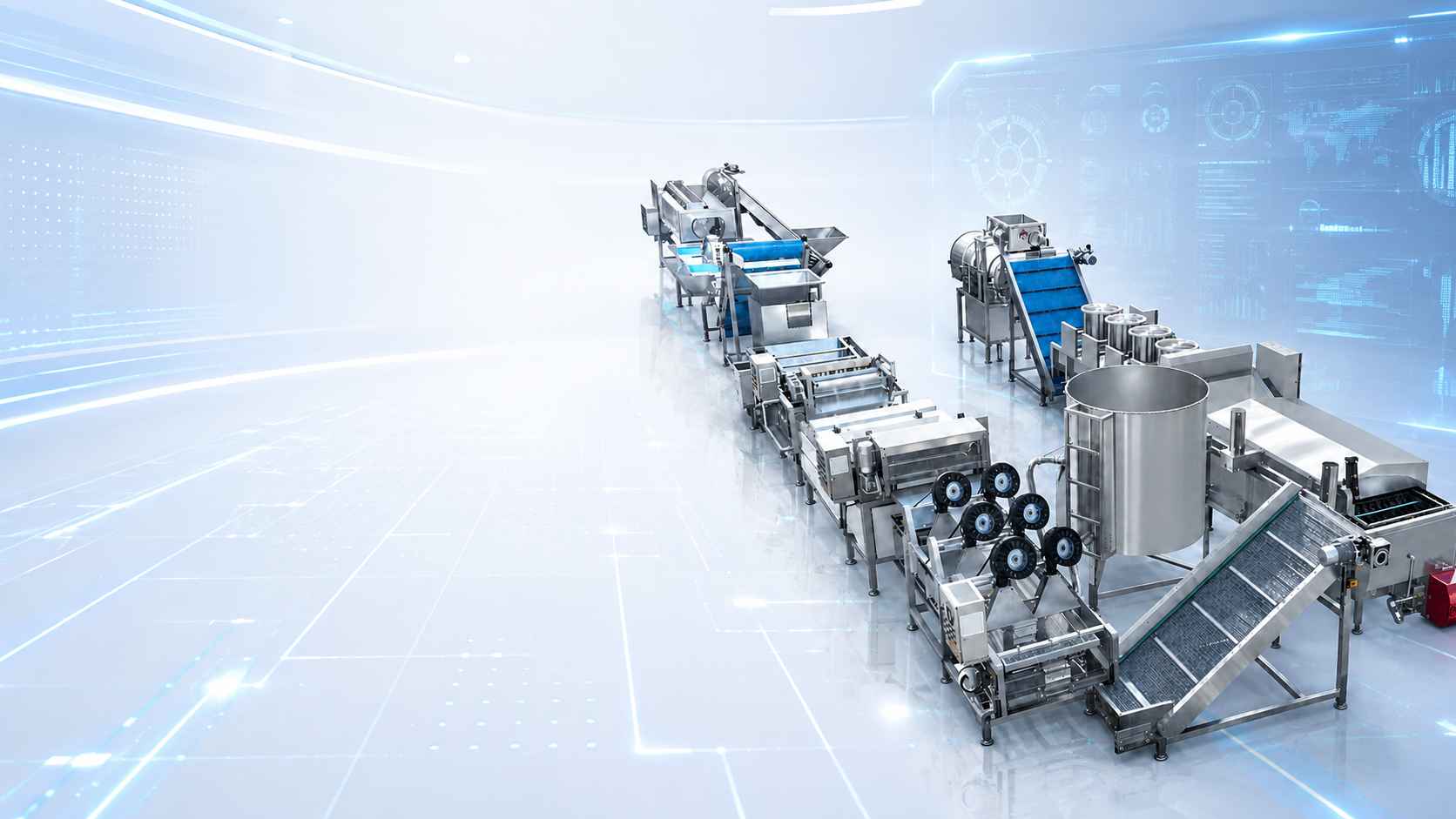
Root Vegetable Washing & Peeling Line
Every root vegetable washing & peeling line is defined by three inputs you supply: crops, throughput in kg/h, and output form. Shengtu designs, manufactures and commissions the complete processing system around those three answers – washing, peeling, sorting, cutting and dewatering – for potato, carrot, sweet potato, taro and cassava.
Roughly 80% of the core equipment on your line leaves our own factory rather than a trading company’s supplier list. That is why brush pressure, drum length and conveyor pitch are variables we set to your crop, instead of constants your crop has to tolerate.
One named project engineer owns your enquiry from first drawing through commissioning. You get their direct line, and technical questions come back within one working day.
10+
years building food processing lines
52
countries served
2,000+
machines delivered
4
owned & self-built manufacturing bases
~80%
of core equipment self-produced
Soil, Skin Loss and Changeover Downtime — Where Root Vegetable Lines Fail
Root vegetable processing lines take field-soiled crops through washing, peeling, sorting, optional cutting and dewatering to a packable finished product. Simple to describe, hard to build – because three failure modes compound each other, and each one is expensive in a different currency.
The three failures that decide whether the line pays back
FAILURE MODE 01
Abrasive soil is the first. Sand, grit and stones from root crops attack brushes, bearings and pump impellers, and a line without de-stoning feeds them straight into the peeling modules.
FAILURE MODE 02
Skin loss is the second, and the most expensive to ignore. Every extra 0.1 mm of peel removed is saleable flesh converted into waste, which makes peeling depth the largest yield variable on the line.
FAILURE MODE 03
Changeover downtime is the third. Any multi-crop vegetable processing plant loses hours between varieties, and unplanned downtime can cost a food processing facility around USD 30,000 per hour.
Why this page runs backwards from the usual one
Most vegetables processing machine manufacturers open with a catalogue. That order gets it wrong, because nobody can choose a machine before crop mix, hourly rate and output form are fixed. Inputs come first here, configuration second, and processing equipment last.
Where does the money actually leak?
Not where most buyers look. Aging equipment accounts for 42% of unscheduled downtime, ahead of operator error at 19% and lack of time to perform maintenance at 13% — so plants routinely blame their people for what is structurally a machine problem.
Maintenance itself is a wide unknown, and honest suppliers say so.
NIST reports maintenance estimates for manufacturers spanning anywhere from 15% to 70% of cost of goods sold, and warns explicitly that its figures come from different countries and different metrics. Presented as a range it is useful; presented as one number it would be false precision, so Shengtu quotes it as a range.
Define Your Line in Three Inputs — Crop × Throughput × Output Form
Below is the selector our application engineers work through on a first call. It maps crop and soil load to a configuration route, and it is a starting point for a technical conversation rather than a quotation. Confirm the throughput band first — every row assumes it.
Hook A — Three-Input Line Selector
| Crop | Soil load | Target output form | Typical capacity band | Recommended configuration route |
|---|---|---|---|---|
| Potato | High (field soil, stones) | Whole washed / peeled | 500–3,000 kg/h | Pre-wash drum → de-stoning → brush-roller peel → sorting → dewatering |
| Potato | High | Diced or sliced fresh-cut | 500–2,000 kg/h | Add cutting, color protection and post-wash rinse ahead of dewatering |
| Carrot | Medium–high | Whole washed | 500–3,000 kg/h | Air bubble wash → brush polish → grading → dewatering |
| Carrot | Medium–high | Peeled sticks or slices | 300–1,500 kg/h | Brush-roller peel → inspection conveyor → cutting → post-wash |
| Sweet potato | High, sticky | Whole washed / peeled | 500–2,000 kg/h | Extended pre-soak → air bubble wash → brush peel at reduced pressure |
| Taro | Medium, delicate skin | Peeled whole | 300–1,000 kg/h | Air bubble wash → low-abrasion peel → manual inspection conveyor |
| Cassava | High, fibrous | Peeled, then cut | 500–2,000 kg/h | Drum pre-wash → de-stoning → abrasive peel → heavy-duty cutting |
| Ginger | Medium, irregular | Washed whole | 200–800 kg/h | High-pressure spray plus air bubble; peeling usually omitted |
| Lotus root | High, internal channels | Washed, sliced | 200–800 kg/h | Vortex wash → high-pressure rinse → root vegetable cutting → color protection |
| Radish / beetroot | Medium | Whole or diced | 300–1,500 kg/h | Air bubble wash → brush polish → optional dice → dewatering |
| Onion | Low soil, dry outer skin | Peeled whole | 300–1,000 kg/h | Dry pre-clean → pneumatic outer skin removal → inspection |
| Mixed root crops on one line | Variable | Multiple | 500–2,000 kg/h | Air bubble base line with interchangeable brush sets; see changeover below |
Three buyers reading the same table land in three different places, which is exactly why the specification cannot be shortcut. Run potato in autumn and carrot through winter, and you should configure for the more abrasive crop and de-rate for the gentler one — reverse that and a mechanical change becomes a seasonal ritual. Central kitchens usually specify a lower capacity band with more downstream stations, because output form rather than tonnage drives their equipment configuration.
Matching Throughput to Your Peak Season, Not Your Average Day
Sizing rule that protects the investment
Bigger is not always better, and the trade-off runs in both directions. Food Safety Magazine states it directly: too small will not meet the goal, but “too big can challenge the processing system, and the increase will not be fully utilized.”
Then comes the trap that catches most upgrades. If equipment upstream or downstream cannot accommodate the new flowrate, the goal is missed anyway — you have bought capacity that your own plant refuses to use.
Delivery risk sits on the same axis. Oversizing lengthens lead time and inflates installation scope, while undersizing shows up as a 12-hour shift that should have been eight. Confirm against your own peak-week production records before the band is frozen.
Air Bubble, Vortex or Brush-and-Spray — Choosing the Washing Mechanism
Three mechanisms dominate industrial vegetable processing washer design, and they are not interchangeable. Each delivers energy to the product surface differently, and that single difference decides which crops it suits.
Air bubble washing
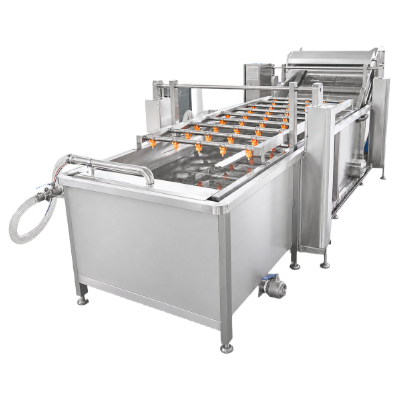
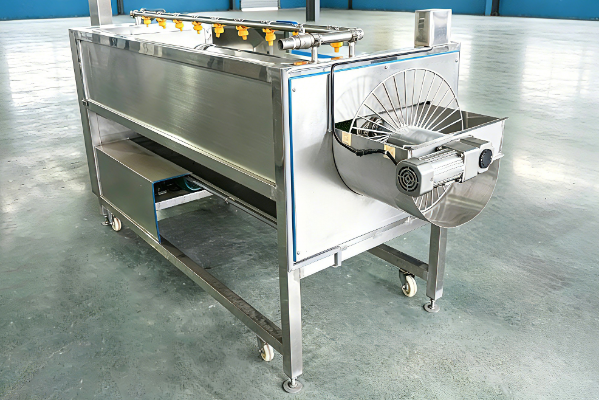
Blowers inject air through a perforated manifold below the water line, and the rising bubble column agitates product held in suspension. Soil lifts off through turbulence rather than mechanical contact, keeping bruising risk low. This is the default for delicate and irregular crops, and for any line that must also handle leafy vegetable batches.
Vortex washing
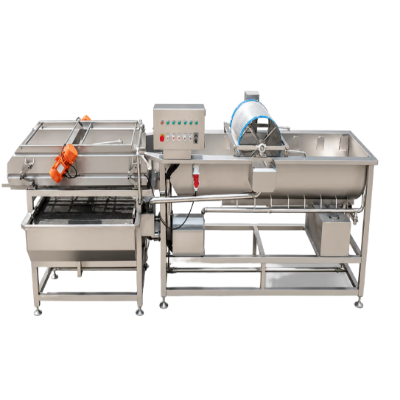
Pumped water enters tangentially and creates a rotating flow that carries product along the tank. Heavier soil, sand and sediment drop out at the base for removal by a collection screw or sump. Vortex tanks handle mixed loads well, and pair naturally with a rotating drum filter that recirculates the wash water.
Brush-and-spray washing
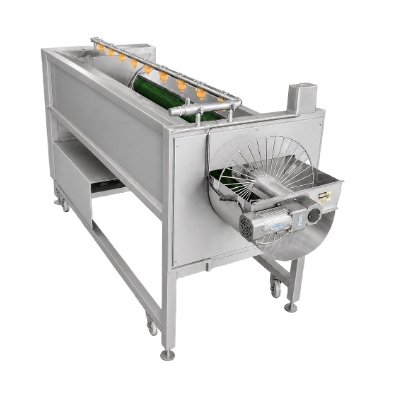
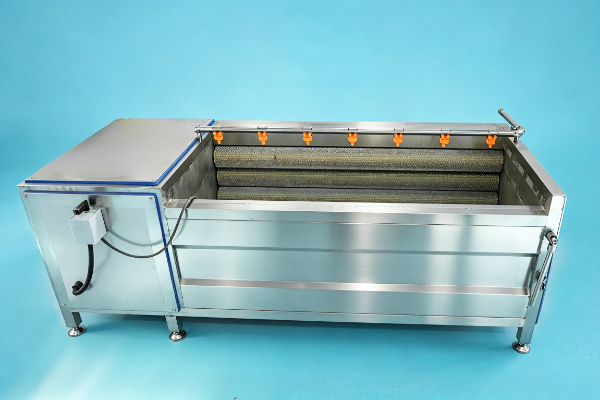
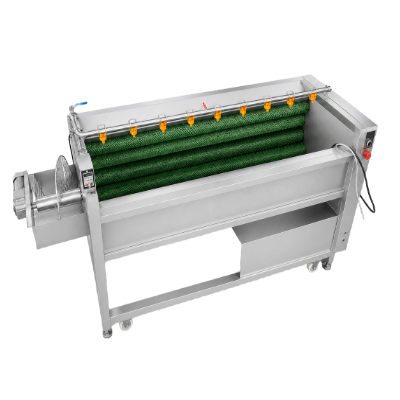
Counter-rotating brush rollers abrade the surface while high-pressure spray nozzles flush away loosened soil. The most intense of the three units and most effective against baked-on field soil. Swap bristled sleeves for an abrasive version on the same machine to transform the unit into a peeler. One machine frame, two functions.
Hook C — Washing Mechanism Comparison Matrix
| Mechanism | Best-suited crops | Bruising risk | Water usage basis | Stone & sediment removal | Typical position in line |
|---|---|---|---|---|---|
| Air bubble | Taro, ginger, sweet potato, leafy vegetable batches | Low | Tank volume plus top-up; recirculated through filtration | Partial — settles fines only | Primary wash |
| Vortex | Carrot, radish, beetroot, mixed root crops | Low–medium | Tank volume with continuous recirculation | Good — sediment drops to sump | Primary wash or pre-wash |
| Brush-and-spray | Potato, cassava, carrot carrying heavy field soil | Medium–high | Spray flow rate, largely single-pass | Poor — needs upstream de-stoning | Secondary wash or peeling station |
| Drum pre-wash | All heavily soiled root crops | Medium | Low — bulk soil knocked off dry or damp | Good with integrated stone trap | First station, ahead of everything |
Line Process Flow — From Intake to Packing
Station order matters as much as station selection, and one sequencing decision does more damage than the rest. Trade coverage of production lines puts it plainly: “the peeler is located after pre-washing and de-stoning the products.” Order it wrong and you feed stones into knife modules at full line speed.
Sorting and Inspection — The Step Most Lines Under-Size
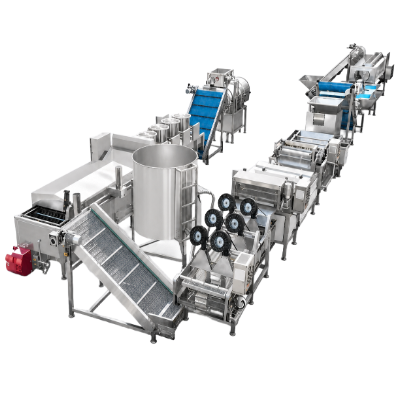
Sorting is where under-specification hurts most, since it removes defects no upstream machine can see. Vision-assisted grading built from transmission, imaging and control subsystems is documented prior art in the patent record rather than a marketing claim. Shengtu supplies the inspection conveyor as a stainless steel module, with applicable documents confirmed for the project, so operator positions, working height and lighting are set during mechanical design instead of improvised on site.
VISION INSPECTION ACTIVE
-
01
Intake & pre-sorting
Bulk tipping, removal of loose debris and obviously unusable product before any water is spent.
-
02
Pre-wash
Drum or soak stage that knocks off bulk soil and rehydrates dried mud, so the main wash is not doing two jobs at once.
-
03
De-stoning
Density separation removing stones from root crops. Skipping this station is the most common cause of peeler damage.
-
04
Peeling
Brush-roller, abrasive or steam peeling, with peel waste separated continuously to prevent clogging.
-
05
Sorting & inspection
Manual or vision-assisted grading of peeled product, with rejects diverted before further value is added.
-
06
Cutting
Optional. A vegetable cutting machine produces dice, slice or stick formats for fresh-cut and ready-to-cook output.
-
07
Post-wash & color protection
Rinse of cut surfaces, with anti-browning treatment where the product requires it.
-
08
Dewatering
Centrifugal or air-knife dewatering system, sized for the surface dehydration your packing format tolerates.
-
09
Packing
Weighing and packaging of finished product, or transfer into a freezing tunnel on individually quick frozen lines.
PULL TO VIEW FULL LINE
Shengtu Line Modules and Capacity Bands
Five module families make up the standard root vegetables processing line, and each is built as vegetable processing equipment Shengtu manufactures in-house under the agreed manufacturing and inspection scope. Why does that matter commercially? Because a dimension you cannot change is a dimension your plant has to work around — and the trade-off shows up as a compromise you live with for 10 years or more.
Brush wear is the clearest example. Rollers are a consumable, and the mistake is discovering mid-season that a replacement set has to be re-engineered by a supplier who never held your specification. Shengtu keeps those drawings because the rollers leave our own factory, so a worn set gets re-made instead.
Line modules, materials and adjustable variables
Module
Function
Product contact material
Adjustable on order
Air bubble washing machine
Primary wash with low-bruise turbulence; sediment collects at the tank base
Food-grade stainless steel, 304 standard, 316L on request
Tank length, blower capacity, mesh belt speed, filtration loop
Brush-roller peeling machine
Scrub-wash or abrasive peel, decided by the roller sleeve fitted
Stainless steel frame with replaceable brush type rollers
Roller count, brush stiffness, contact pressure, dwell time
Manual handling / inspection conveyor
Grading, inspection and reject removal between wet and dry sections
Stainless steel frame, food-grade belt
Belt width, working height, station count, lighting
Tumble air dryer (dewatering machine)
Surface moisture removal ahead of cutting or packing; the drum is specially designed to tumble without bruising
Stainless steel with high-volume air knives
Air volume, drum length, residence time
Conveying & integration
Links stations, sets the pace of the line, carries the control architecture
Stainless steel conveyor structures
Pitch, incline, buffer capacity, control interface
Crops This Line Handles
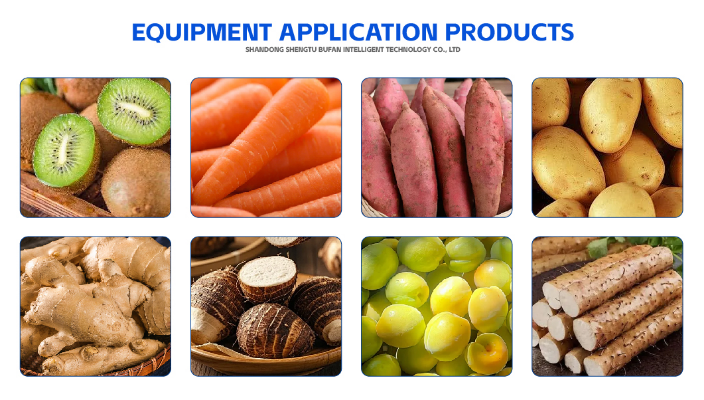 Potato
Carrot
Sweet potato
Taro
Cassava
Radish
Beetroot
Ginger
Lotus root
Onion
Cabbage (with mechanism change)
Potato
Carrot
Sweet potato
Taro
Cassava
Radish
Beetroot
Ginger
Lotus root
Onion
Cabbage (with mechanism change)
Tuber crops and true roots behave differently under the brush, so treat that list as a starting point rather than a guarantee. Adjacent fruit processing duties are served by the same equipment configuration wherever the product is firm and washed whole. Confirm your own varieties with an engineer before the specification is frozen.
Steam peeling is offered as an alternative to brush peeling on high-volume potato and carrot production. Engineering behind it is documented in the patent record: a rotatable pressure vessel with internal lifting features and a closed-off steam-saver region, followed by an accelerated pressure drop when the peeling cycle completes. Abrasive-roller peelers, meanwhile, are described by the Food and Agriculture Organization as in use in some large processing plants for potatoes and carrots.
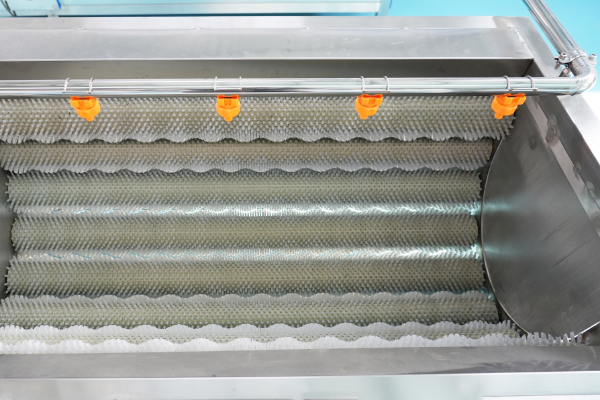
“Everyone asks how fast the changeover is. What actually predicts the answer is how many of your crops need a different brush set. Potato plus carrot is a recipe change. Potato plus taro is a hardware change. Those are two different lines, and the honest version of that conversation belongs at the drawing stage — not at commissioning.”
Running Multiple Crops on One Line — Changeover and Integration
No supplier can honestly publish a single changeover time for a multi-crop line, and we will not invent one. Duration depends on which variables actually change between the outgoing crop and the incoming one. What can be published is the variable list — so here it is.
What drives changeover time
-
01
Brush set swap, required when you move between crops that need abrasive peeling and crops that only need polishing. Largest single time block on the list.
-
02
Brush contact pressure and dwell time, a recipe adjustment. Fast when stored as a preset, slow when rediscovered by trial.
-
03
Water change or top-up, driven by the soil load of the outgoing crop rather than the incoming one.
-
04
Cutting tooling, relevant only when output form changes between dice, slice and whole.
-
05
Wash-down between allergen or organic runs, governed by your own contamination control plan and not by the machine.
Here the control layer earns its cost instead of decorating the specification. Shengtu’s STUnit platform stores crop recipes as presets, so brush pressure, belt speed and dwell time get recalled rather than rediscovered. Low-code control boxes and multi-protocol gateways let a modular line coordinate with equipment you already own, while edge algorithms and machine vision flag a developing bottleneck before it stops production. Stable output across a whole crop calendar is the point, not automation for its own sake.
Over-the-air upgrades and remote diagnostics matter for an unglamorous reason: manufacturers investing in improved maintenance report downtime reductions in the range of 35% to 45%, and defect reductions wider still. Those are other people’s plants, not ours, so treat the range as direction of travel rather than a promise.
Integrating With What You Already Run
Fully automatic vegetable lines rarely arrive on a greenfield site. Downstream freezing tunnels, upstream tipping arrangements and an existing plant control system all constrain the design, and the mistake is to discover those constraints during installation. Process design at Shengtu maps every interface before mechanical design starts, which turns commissioning into an integration exercise instead of a discovery exercise.
Utilities deserve the same treatment. Single or three phase, 120/240/480 V, steam in lb per horsepower-hour and pneumatic supply in cubic feet per minute all have to match what your building can deliver.
Certifications, Manufacturing Base and Factory Verification
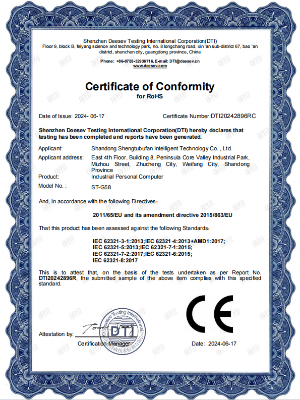
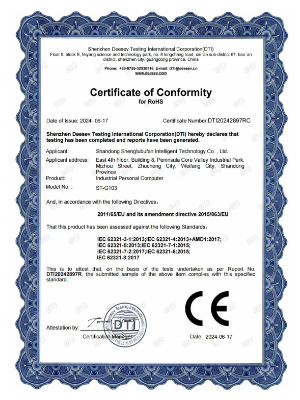
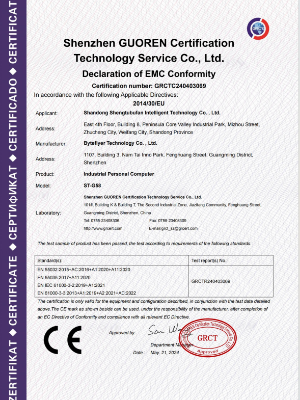
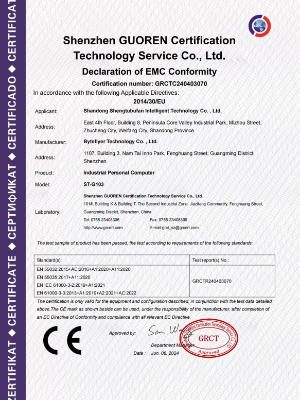
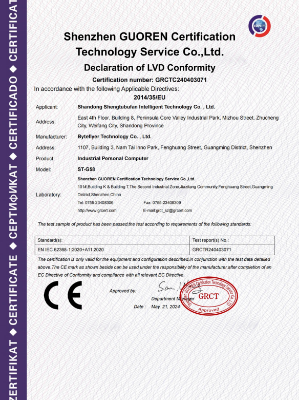
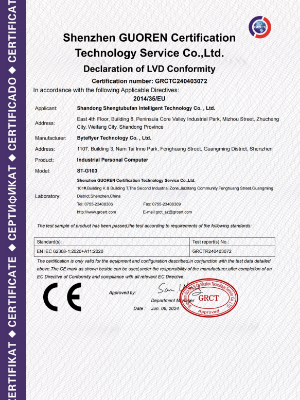
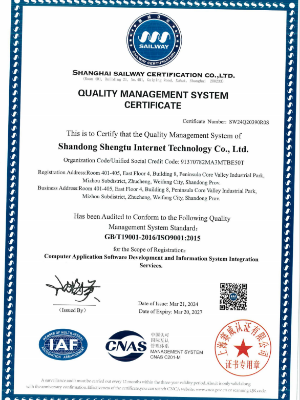
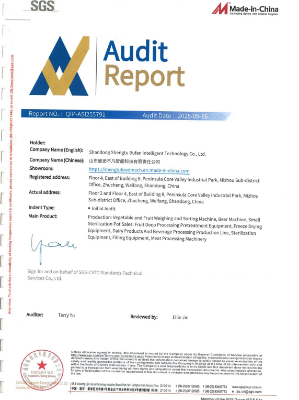
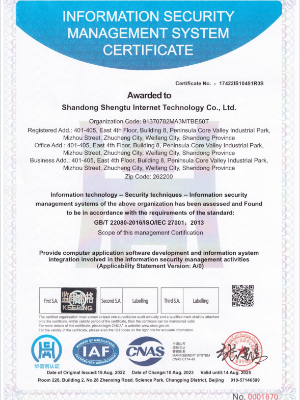
Applicable certificates and documents are confirmed for the equipment model, configuration and destination country. Company management-system records are reviewed separately from product conformity documents.
CE
ISO 9001 Quality Management
ISO 27001 Information Security
SGS
DCMM Level-2
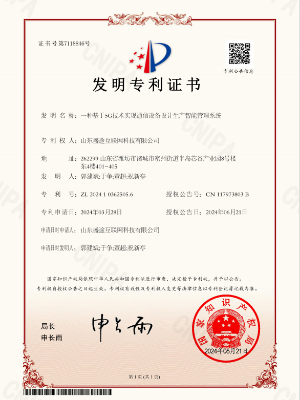
Patents
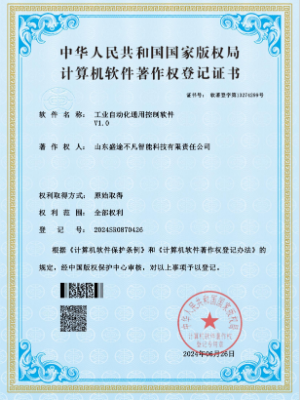
Software copyrights
Registered trademarks
Hygienic design for vegetable processing machinery is governed by published standards rather than supplier assurances. EN 1672-2 sets hygiene requirements for food processing machinery, and ISO 14159:2002 defines hygiene requirements for the design of machinery generally. Shengtu builds to those documents because an audit failure is not a paperwork problem — it is a production stoppage, and stoppages are the single most expensive thing a line does.
One obligation buyers almost never price in: passivation of stainless food-contact surfaces is recommended after any repair or polishing. Skip it and you introduce a corrosion risk into the exact zone your inspector will swab first. Ask any supplier — Shengtu included — to state in writing who performs passivation after warranty repairs.
01
/
11
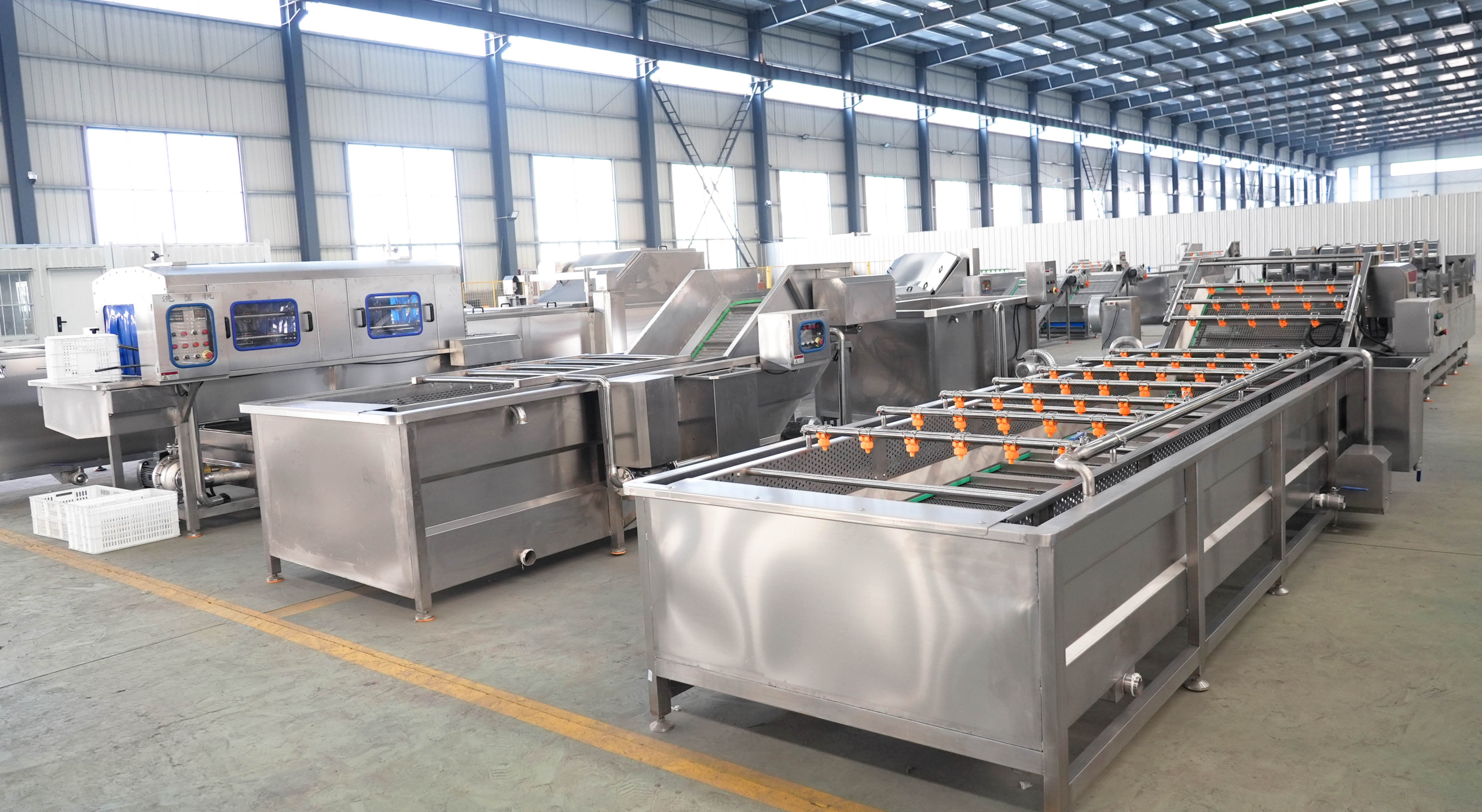
Manufacturing base — what you can verify
- Four owned and self-built manufacturing bases; 20,000+ m² of office and display space across our four-city company network
- Roughly 5,000 m² of showroom with equipment running
- Approximately 80% of core equipment self-produced instead of sourced
- Factory headquarters are located in Zhucheng, Shandong – within the Zhucheng Food Machinery Industrial Cluster – with branch offices in Qingdao, Changzhou and Weifang
“Do I pay before they build it?”
That question, almost word for word, is what buyers ask in procurement forums — ahead of price, and ahead of brand. Verification sequencing is the real objection, and it has a documented answer.
Factory Acceptance Testing is the contract-defined acceptance event held at the manufacturer’s premises before the buyer accepts shipment. It verifies technical specification, drawings, performance requirements, certifications and the documentation pack against what was actually contracted, and it is formally defined for process-automation systems in IEC/ANSI/ISA 62381.
Commercial logic here is asymmetric, and it favours you. Non-conformity found in our workshop costs supplier hours; the same fault found after shipping, customs clearance, transport and installation costs materially more and drags a schedule penalty behind it. Remote witnessing through live video walkthrough, real-time test observation, digital documentation review and remote sign-off is accepted practice where travel is impractical.
Results from Installed Lines — What Operators Report
We publish only what we can support. Named customers, logos and site photographs appear here solely where the customer has authorised them, so both references below are described by configuration rather than by name.
Two installed root vegetable production line references (anonymised)
| Reference | Crops | Configuration | Output form | What the project turned on |
|---|---|---|---|---|
| Contract processor, Southeast Asia | Cassava, sweet potato | Drum pre-wash → de-stoning → abrasive peel → inspection conveyor → dewatering | Peeled whole, bulk | Specified against peak-season hourly rate; de-stoning added after a site survey found stone content well above the original brief |
| Central kitchen supplier, East Asia | Potato, carrot, radish | Air bubble wash → brush polish → inspection → dicing → post-wash → dewatering | Fresh-cut, ready-to-cook packs | Recipe presets carry crop changeover; cutting tooling changes only when output form changes |
Why We Will Not Quote You a Yield Percentage
Yield depends on your raw material, your peel depth tolerance and your grading standard, so any number we published would be marketing rather than engineering. There is a deeper problem with headline yield figures, and academic work on production yield analysis names it: mass-balance data will not always give enough information about the exact origin of unwanted mass losses.
Read that as a buyer's test. A supplier quoting "98% yield" without a loss breakdown by station has told you almost nothing you can act on.
Variables that belong in your own payback model
- Manual handling replaced — current headcount on washing, peeling and inspection, at your loaded hourly rate
- Peel loss delta — measure present skin removal against adjustable peel depth on your own crop, across a full shift
- Avoided downtime - downtime incurred by the change-over process or line breakdowns in a typical season, x your current loaded hourly rate.
- Water and effluent — recirculation and filtration cut intake volume, but the saving is site-specific and must be metered
- Maintenance and spares - represented as an annual % of equipment value, not as a one-off item.
Procurement Guide — Cost Drivers, Lead Time, Scope of Supply, After-Sales
Total cost is opaque in turnkey food processing projects for a structural reason, not a conspiratorial one. Oklahoma State University Extension identifies incomplete specification as the mechanism: a complete specification "minimizes confusion between the purchaser and the supplier, allowing firm bids that eliminate hidden costs." Vague brief in, hidden cost out.
Hook B — Line Cost Driver Checklist: the eight variables that set the price
01
Capacity band
Machine widths, drum lengths and motor sizing scale with peak kg/h, not average kg/h
02
Peeling method
Brush-roller, abrasive or steam; steam adds a pressure vessel and a steam supply requirement
03
Dirty-end complexity
Pre-wash, de-stoning and soil handling, driven by field conditions rather than crop name
04
Cutting module
Present only for fresh-cut output; the vegetable cutting machine and its dice, slice and stick tooling are priced separately
05
Water treatment and reuse
Filtration, recirculation loops and sediment handling — the largest swing item on high-soil crops
06
Automation level
Manual inspection versus vision-assisted grading; control architecture and gateway count
07
Stainless steel grade
304 as standard; 316L where chloride exposure or your own food safety plan requires it
08
Installation and commissioning
Whether supervision, full installation and operator training sit inside or outside quoted scope
Published industry guidance puts annual maintenance at 3–6% of equipment cost and spares at 2–4%, with cumulative five-year total cost of ownership landing near 145–165% of the initial equipment investment. Those are market-research figures rather than Shengtu measurements. Even so, the direction is clear enough to plan around: your quote is roughly two-thirds of your real five-year number.
Delivery Timeline
Process design
Crop, throughput and output form fixed; station list and water balance agreed.
Mechanical design
General arrangement drawings, utility schedule and interface points issued for your approval.
Manufacturing
Fabrication in our own bases, with in-process inspection points.
Factory acceptance
Witnessed on site or remotely; dated report with the non-conformity log.
Shipping
Crating, protection and the documentation pack.
Installation
Positioning, connection and alignment at your plant.
Commissioning
Wet running against agreed performance criteria.
Operator training
Handover to your production and maintenance teams.
Scope of supply — who is responsible for what
Item
Shengtu
Buyer
Joint
Process and mechanical design
✔
Equipment manufacture and factory acceptance
✔
Building, foundations and floor drainage
✔
Power supply to the line terminal box
✔
Water supply, drainage and effluent permits
✔
Sea freight, insurance and customs clearance
✔ per agreed Incoterm
Unloading, positioning and rigging
✔
Installation supervision
✔
Mechanical and electrical installation labour
✔
Commissioning and performance verification
✔
Hover to expand final phase responsibilities
Operator and maintenance training
✔
Raw material for commissioning trials
✔
After-Sales and Spare Parts
-
Wear-part kit
Brush sets, belts, seals and bearings ship with the line and are quoted for annual replenishment
-
Local electrician scope
Terminal-box connection, motor wiring and isolator work can be done by your local contractor to our schematics
-
Remote video assistance
Live fault diagnosis with your maintenance team, using diagnostic data from the control system
-
Response commitment
Your named project engineer replies to technical requests within one working day
-
Documentation
Drawings, electrical schemes, spare-parts list and operating manuals issued as an as-built pack
Spare-parts availability and calibration capability belong on your evaluation sheet from day one, alongside cleanability. Equipment manufactured in another country under different safety regulations also needs its own job safety analysis at your site. Ask us for the spare-parts list before you sign, not after.
Request the spare-parts list
Root Vegetable Processing Engineering Tools
Access our suite of structural engineering tools to configure line processing, select washing mechanisms, profile changeover readiness, and calculate core cost drivers.


![F&V Freeze-Drying Line Process Guide [2026]](https://shengtumachinery.com/wp-content/uploads/2026/09/fv-freeze-drying-line-guide-featured-150x150.png)