Get in touch with Shengtu Bufan Company

Scroll to explore
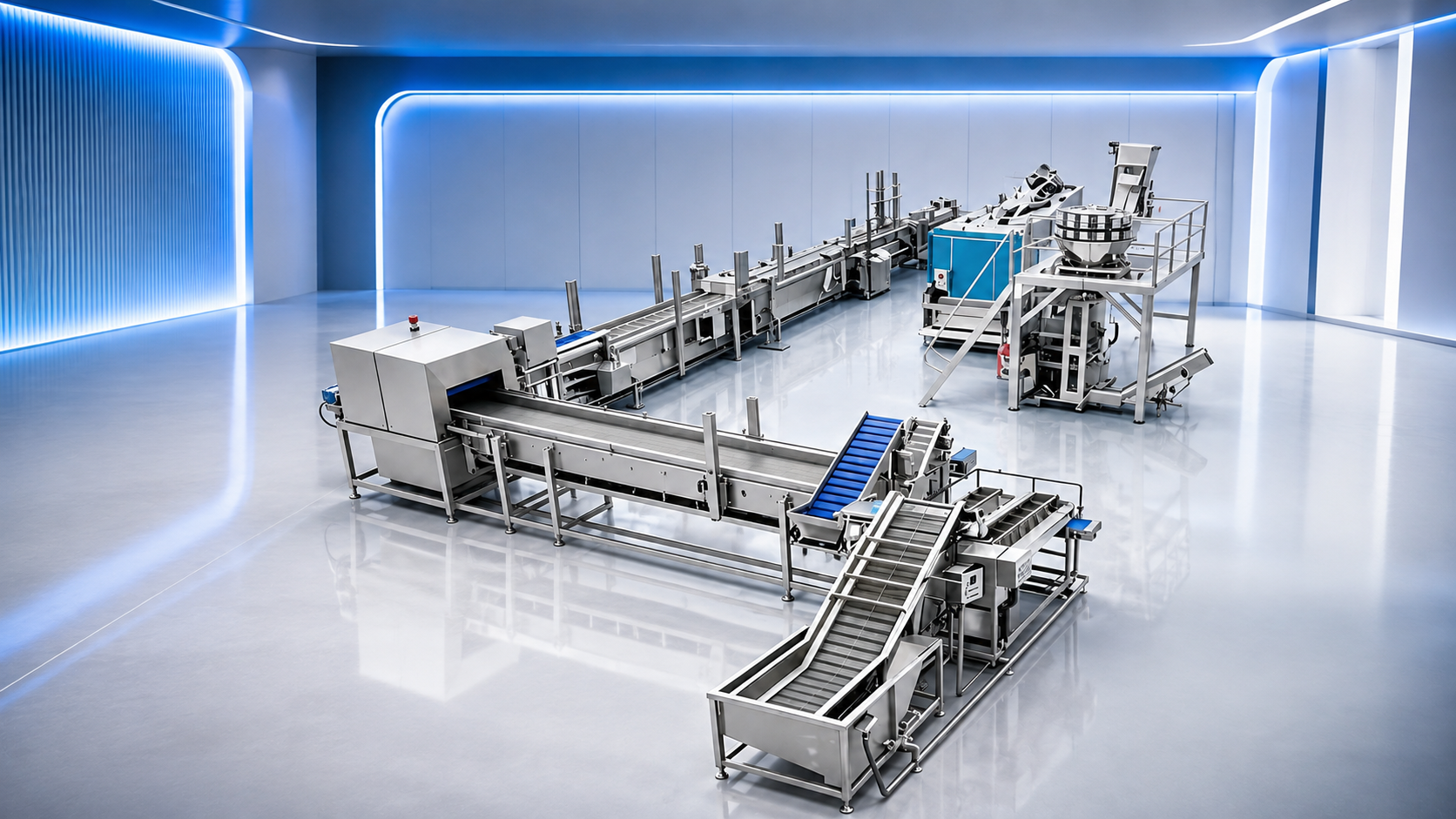
IQF Frozen Food Production Line
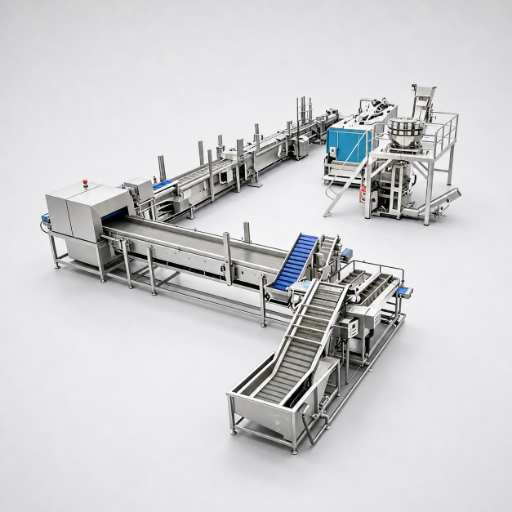
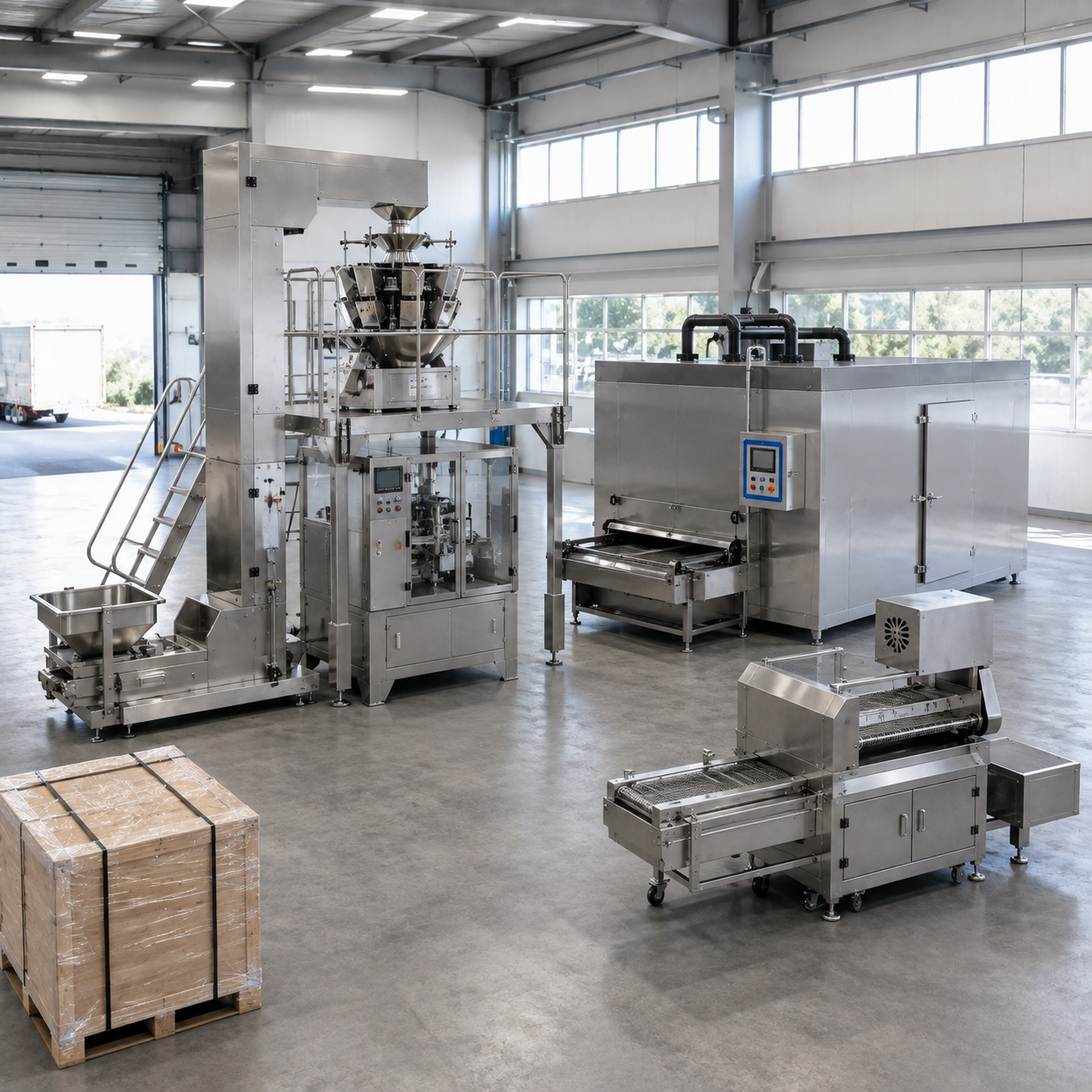
The frozen food production line shall transfer a defined product from prepared feed to a stable, pack-ready frozen state without leaving unresolved refrigeration, control, hygiene, or acceptance interfaces. Shengtu designs the grinding, cutting and mixing, forming, frying, air cooling, IQF, frozen food packaging, and metal detection route around your product brief.
Get a Line ProposalIntegrated Frozen Food Processing Capabilities
Shengtu integrates mechanical equipment, conveyor transfer, controls, and production data into one engineering scope. Each route changes with the food product's incoming condition, forming method, thermal step, freezing target, pack format, and inspection plan.
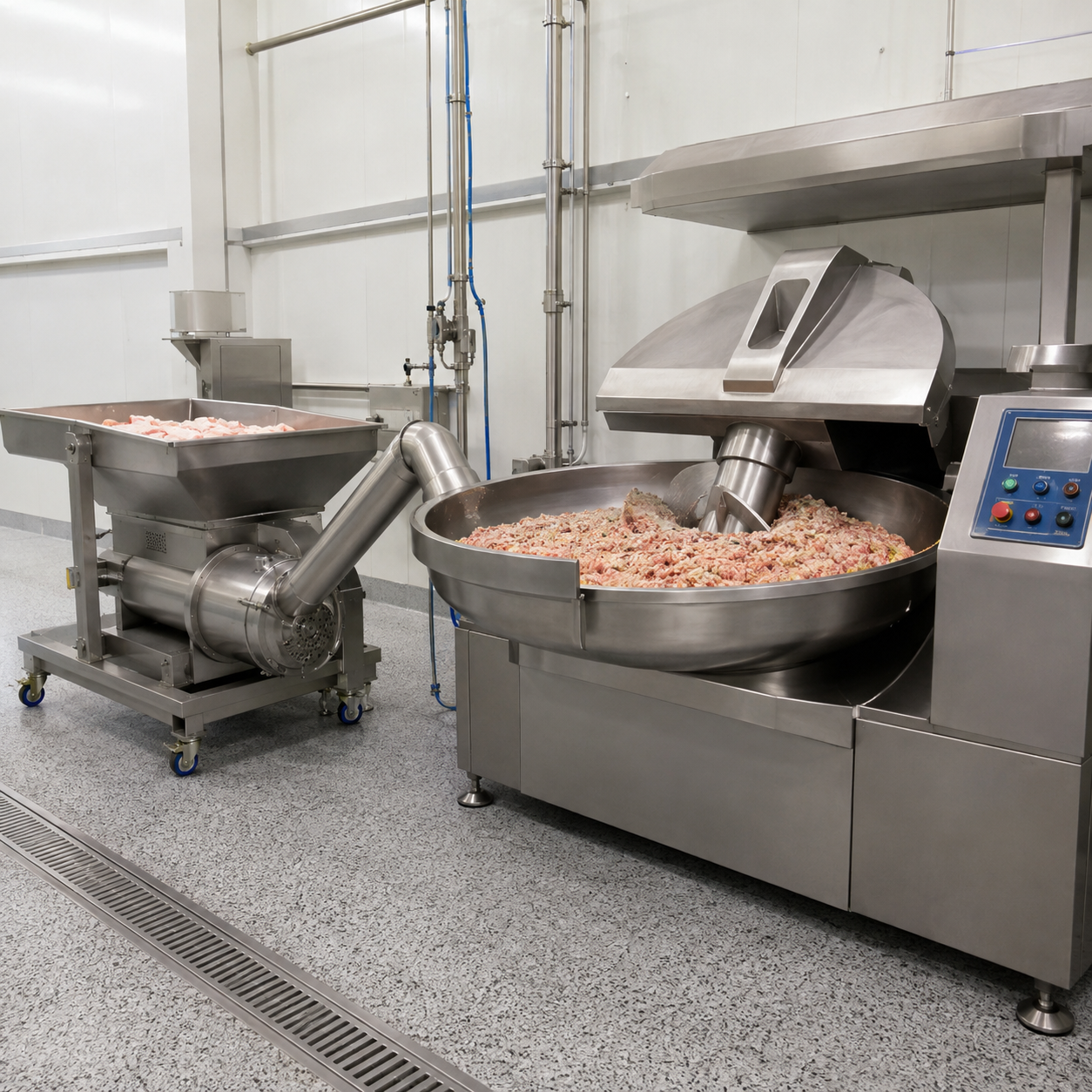
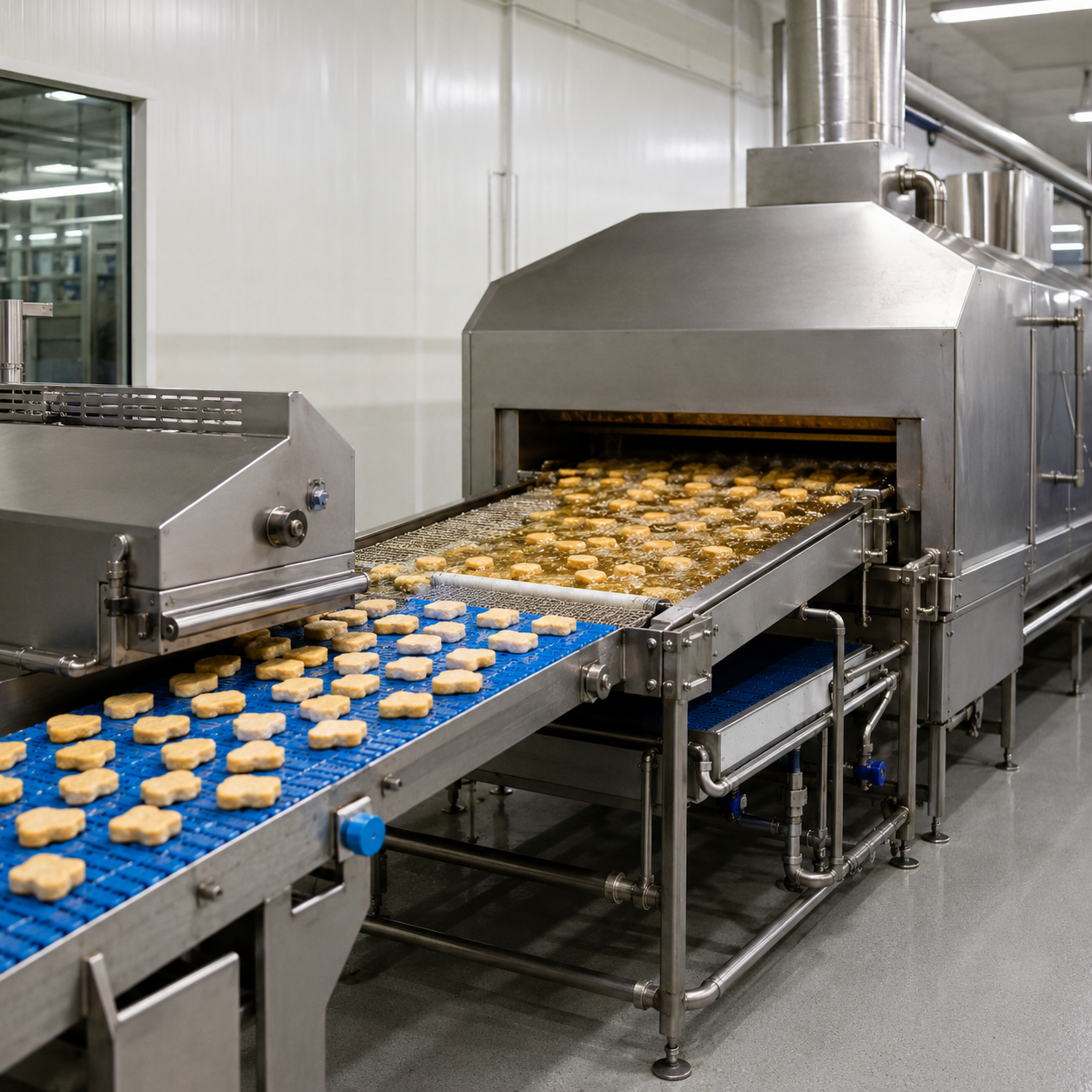
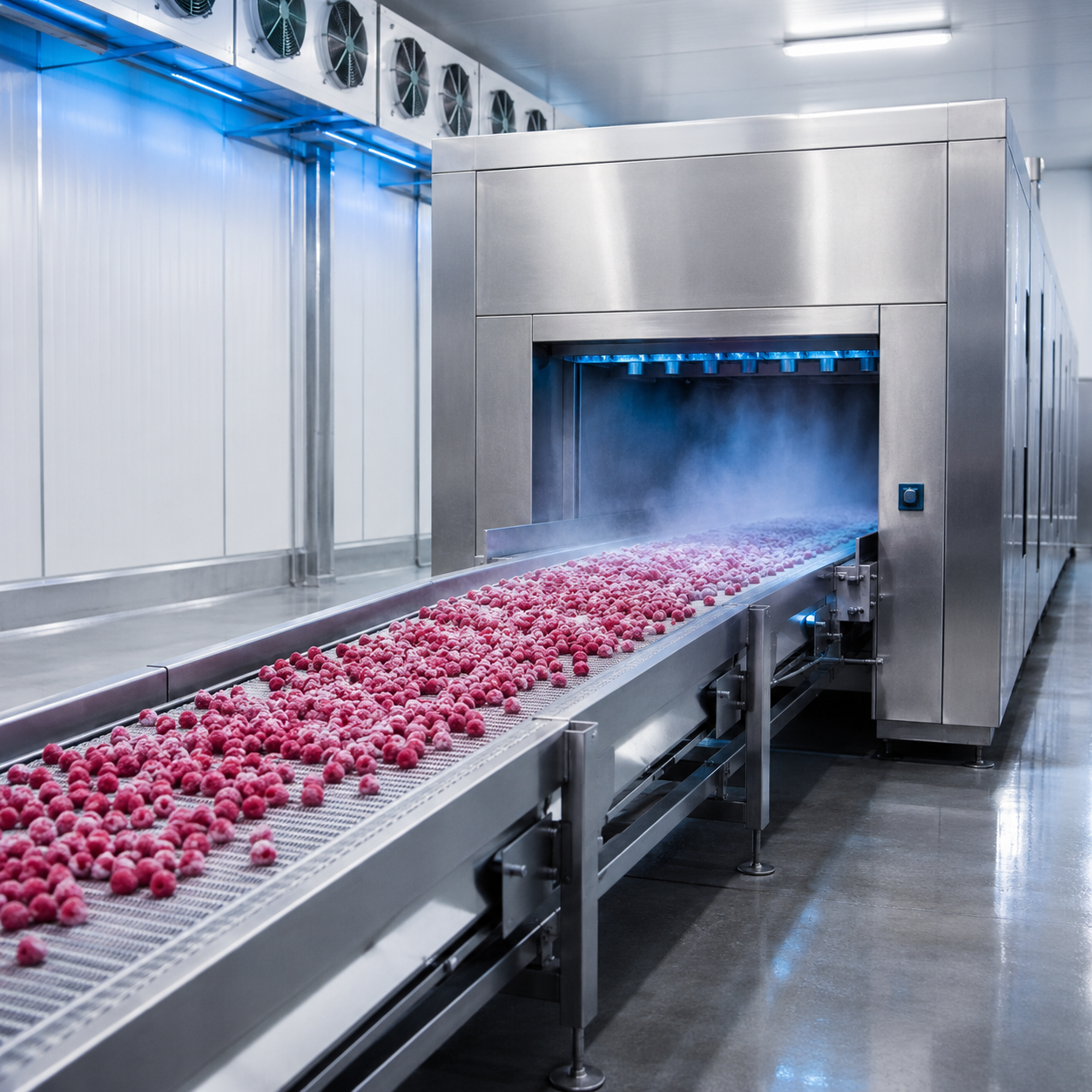
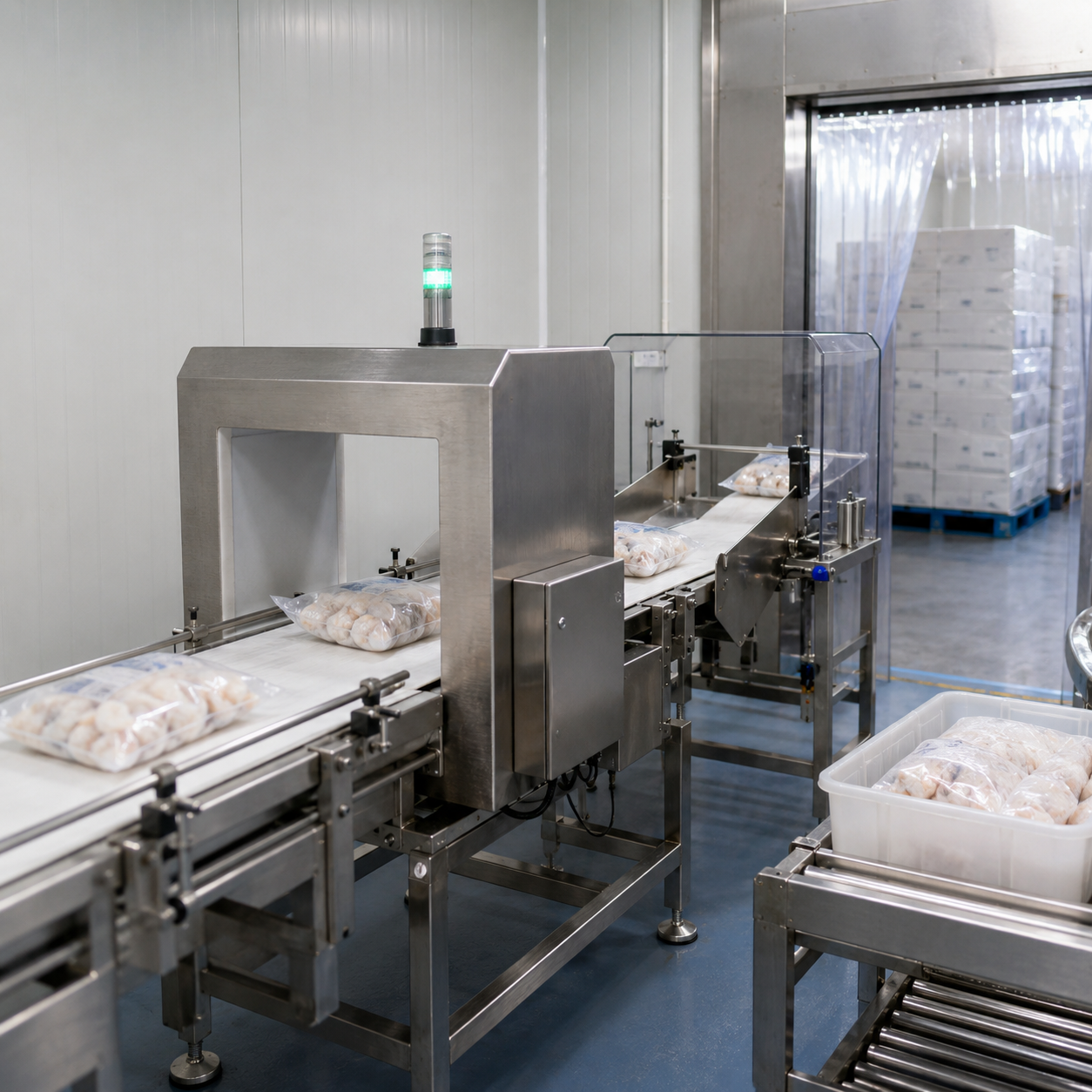
“A complete line is not a row of machines. It is one controlled route with named interfaces, acceptance points, and an upgrade path.”
Product and Process Applications
This route is intended for formed, breaded, fried, and similar prepared products that require controlled cooling before quick freezing. Product trials and thermal calculations identify whether a tunnel, spiral, fluidized, cryogenic, or alternative freezing route is most suitable.
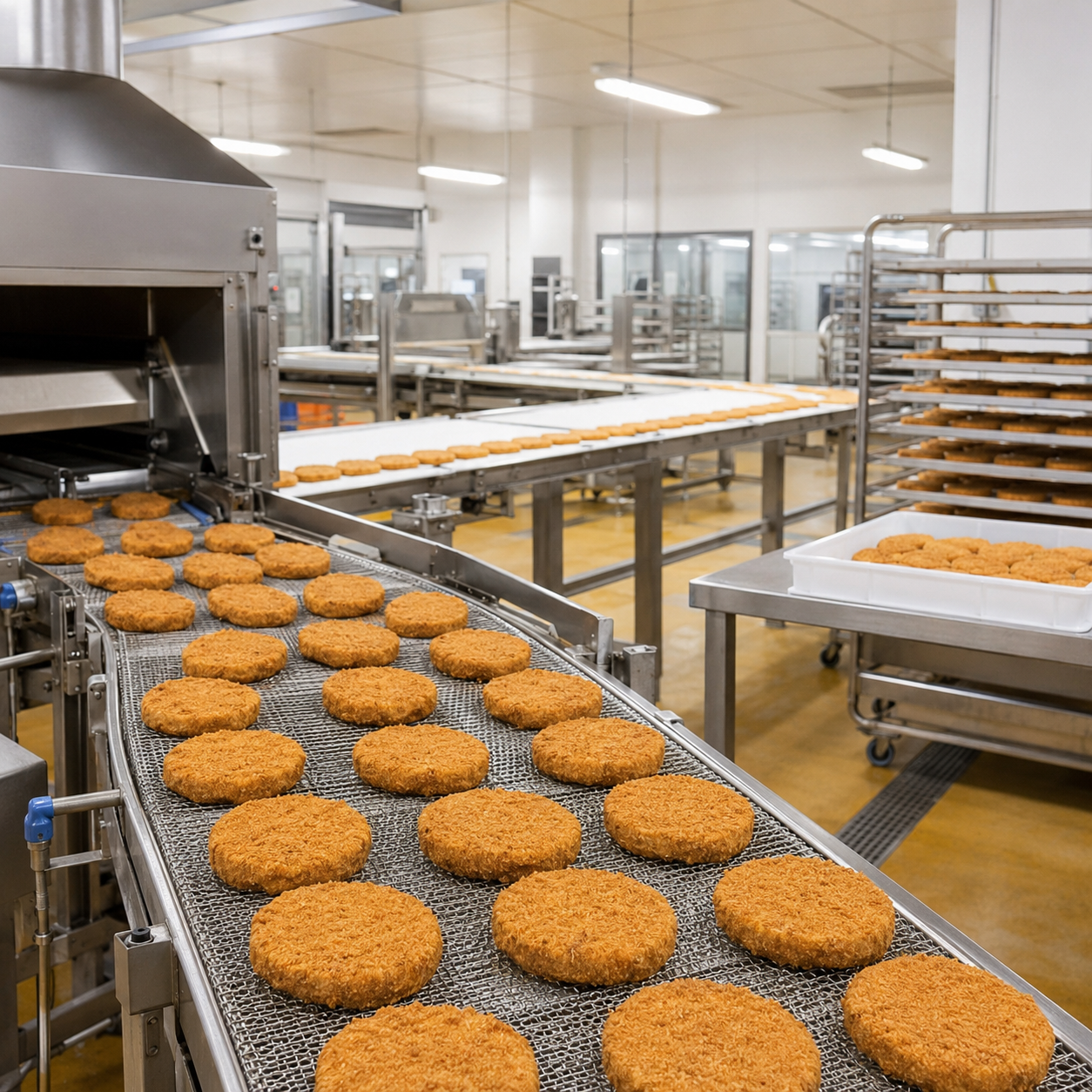
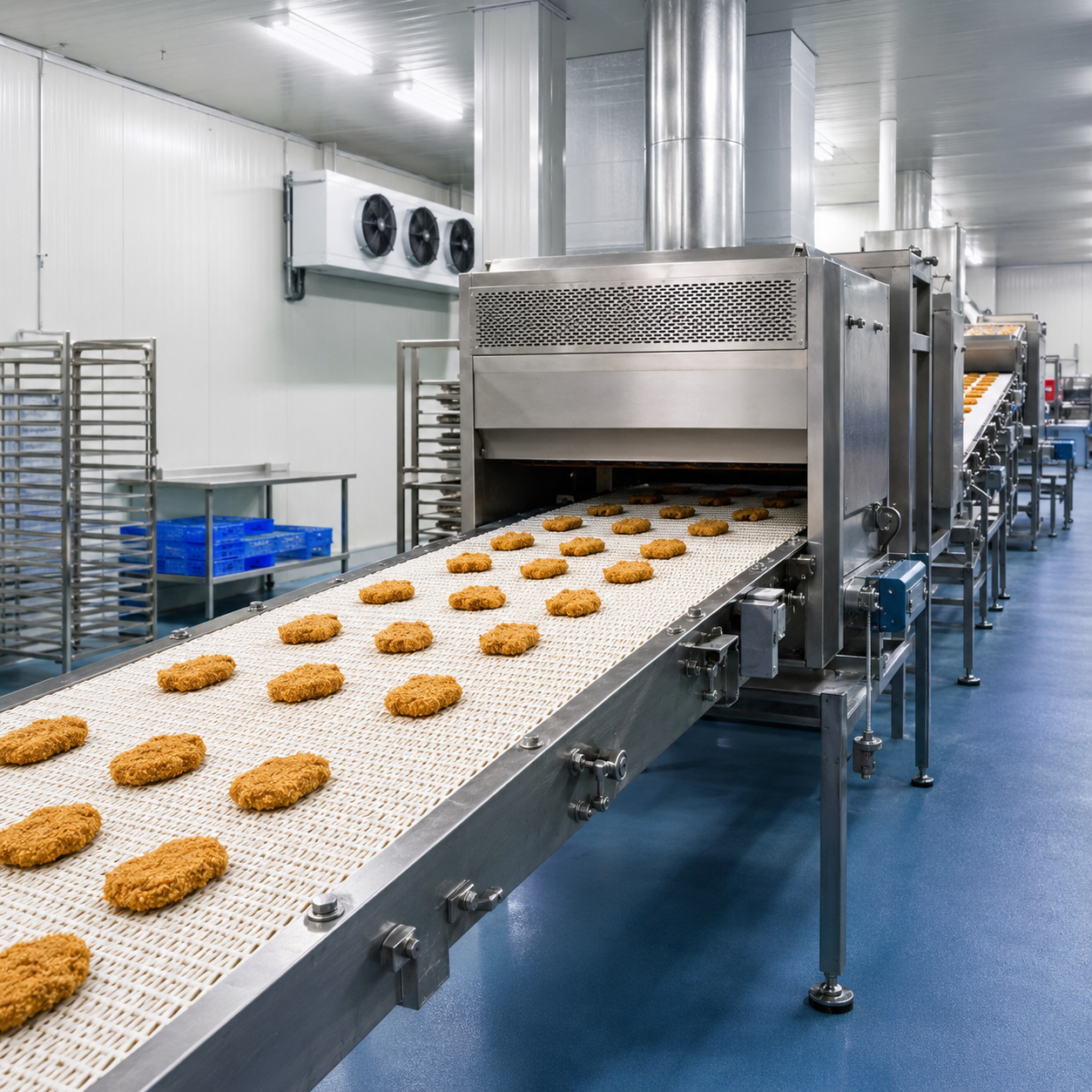
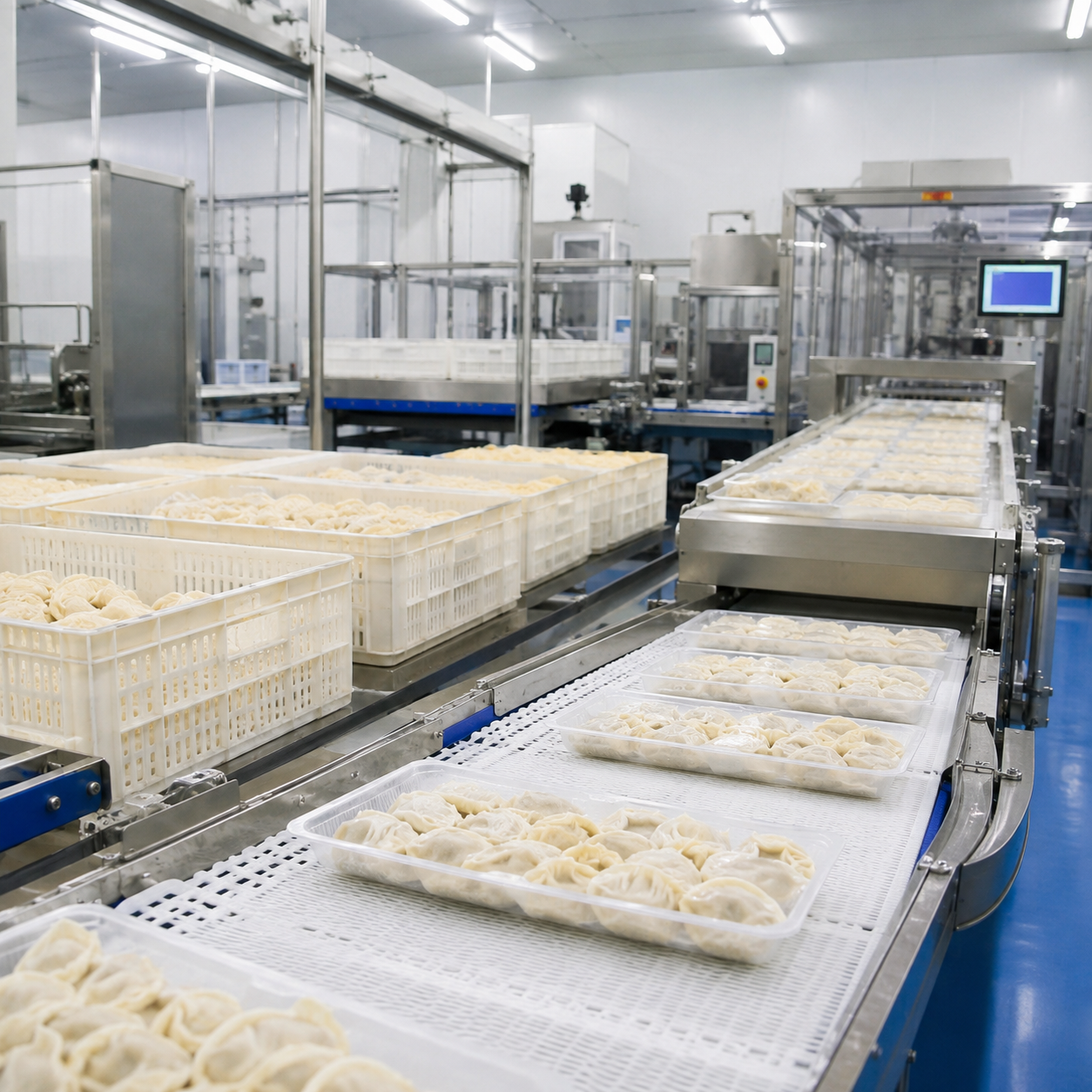
Modules are chosen according to process role and interface, not a fixed bundle list. Shengtu can combine its equipment with approved existing assets if mechanical, electrical, control-protocol, and cycle-time compatibility is confirmed.
| Module | Process role | Interface to define | Buyer input |
|---|---|---|---|
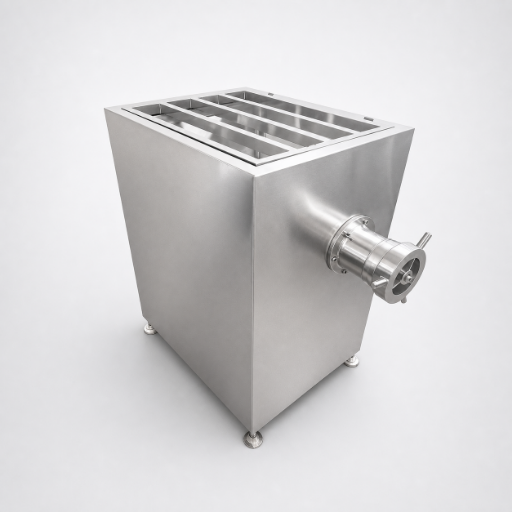
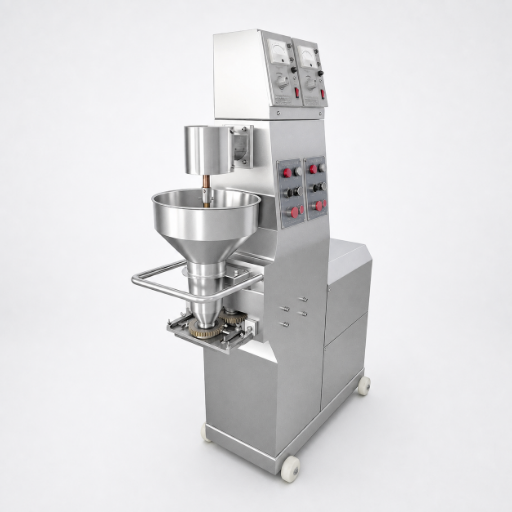
| Grinding | Controlled size reduction | Feed, discharge, temperature, sanitation | Raw material and particle target |
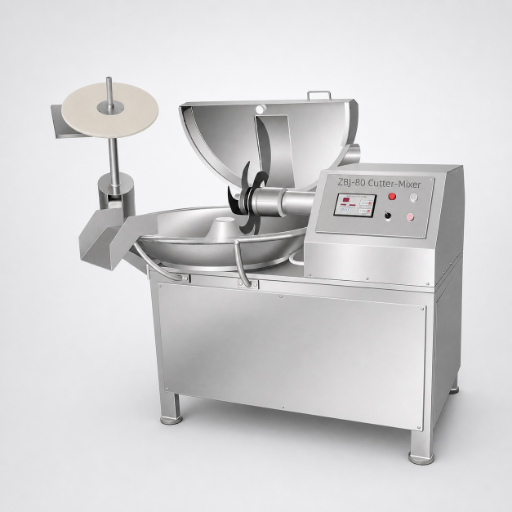
| Cutting / mixing | Recipe preparation | Batch or continuous handoff | Recipe, viscosity, inclusions |
| Forming | Shape and portion control | Feed pressure, belt transfer, reject handling | Geometry and unit weight |
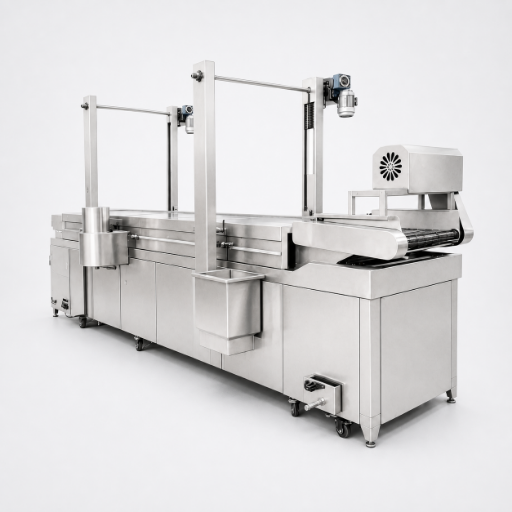
| Frying | Thermal processing and surface development | Oil management, exhaust, discharge heat | Cook target and coating |
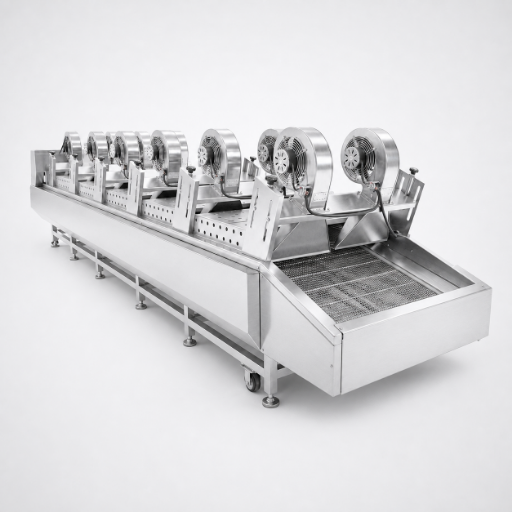
| Air cooling | Pre-freezing heat removal | Residence time, airflow, condensation control | Freezer inlet condition |
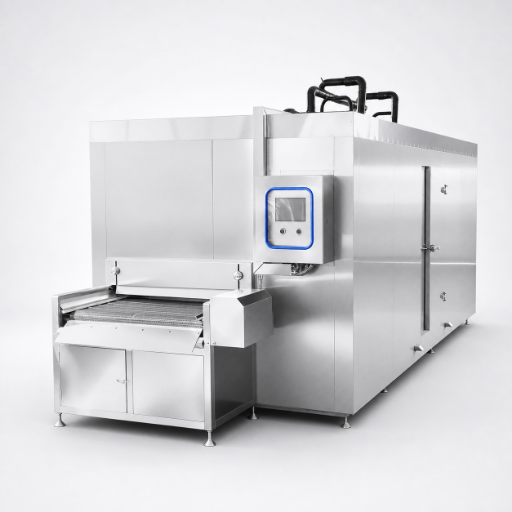
| IQF freezer | Rapid individual freezing | Refrigeration, defrost, belt, controls | Core target and separation criteria[3] |
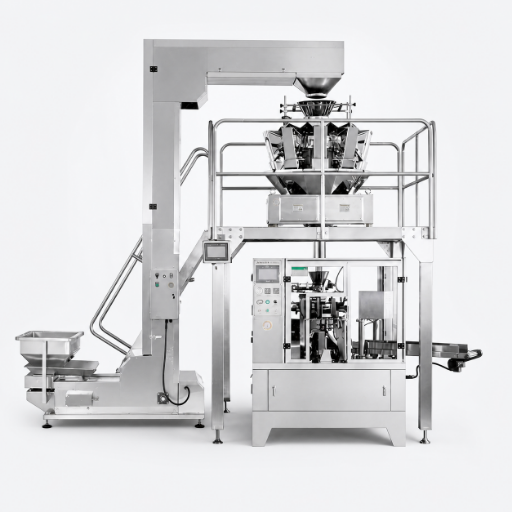
| Packaging | Portioning and sealing | Pack rate, weighing, coding, cold-room handoff | Pack style and target weight |
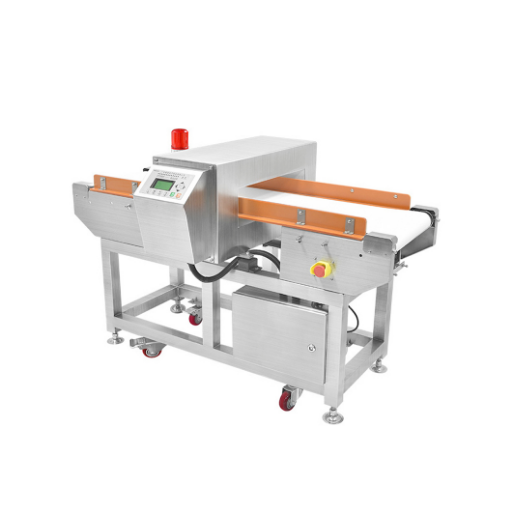
| Metal detection | Foreign-material inspection | Product effect, aperture, reject confirmation | Detection and record requirements |
Our engineering team uses the following RFQ input checklist before proposing an IQF processing line. These are essential design inputs, not published machine ratings.
| Configuration input | Minimum information for engineering review |
|---|---|
| Product geometry | 3 dimensions: length × width × thickness, plus unit weight |
| Production capacity | 2 figures: normal and peak throughput in kg/h |
| Thermal condition | 2 temperatures: freezer inlet and target core or outlet temperature |
| Operating plan | 3 time inputs: hours/shift, shifts/day, and days/year |
| Available footprint | 3 dimensions: usable length × width × height in mm |
| Utilities | 4 records: electrical supply, refrigeration boundary, water/drainage, and ventilation |
| Packaging target | 2 figures: unit or bag weight and required packs/min |
| Acceptance criteria | 3 checkpoints: outlet temperature, product separation, and inspection result |
| Existing equipment | 4 interface records: mechanical, electrical, protocol, and cycle time |
Why nominal capacity is not enough
Product geometry and surface condition change residence time, separation, and heat load. FAO technical guidance identifies thickness, shape, density, initial temperature, packaging, operating temperature, and air speed as freezing-time variables.[3]
Configuration implication
Controlled research also shows that air temperature and airflow interact. Nominal throughput and frozen-food output aren't interchangeable, and a higher fan speed isn't a substitute for a product-specific thermal study.[6]
Ready to configure your system footprint?
Request a Capacity and Layout ReviewProject Pricing and Delivery Schedule
Each production line is priced when process route, equipment boundary, refrigeration scope, automation scope, layout, packaging, inspection and acceptance plan are determined. This ensures quotations are comparable and interface costs are identified early.
Production runs are scheduled at 100–120 working days after technical configuration approval. The quotation separates manufacturing from freight, site installation, commissioning, training, and acceptance so each clock has a named start and finish.
Payment is by T/T, with the payment schedule confirmed in the quotation. Equipment scope, documentation, delivery boundary, and optional services are itemized in writing.
How to compare freezer quotations
A search for IQF freezer price, IQF tunnel freezer price, or the best frozen food processing line can return unlike scopes. Compare the refrigeration boundary, product test basis, defrost allowance, controls, installation, and acceptance records before comparing totals.
| Input change | Engineering effect | Quotation impact |
|---|---|---|
| Higher peak throughput | Freezer load, belt area, upstream balance | Equipment size and utility scope |
| More product formats | Recipe control, changeover, handling | Automation and validation work |
| Existing-line integration | Interface survey and adapter engineering | Controls and commissioning scope |
| Expanded acceptance plan | More tests, records, and witness points | Factory and site test scope |
Quality, Food Safety, and Acceptance Planning
Freezing inhibits microbial activity but doesn't reliably destroy microbes. It's therefore not a validated pathogen-kill step, and an IQF processing line supports but doesn't replace the food producer's hazard analysis, sanitation program, allergen management, monitoring, corrective actions, verification, and records.
Documented control boundary
A freezer-only purchase creates a food-safety risk when the hazard-analysis boundary is unclear, because freezing does not destroy all microbes. Shengtu engineers the acceptance boundary around documented process controls, while FDA guidance and 21 CFR 117.80 anchor the producer’s control and verification obligations.
Certification scope
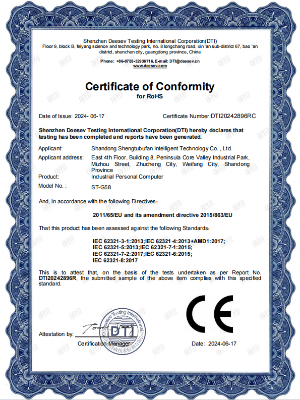
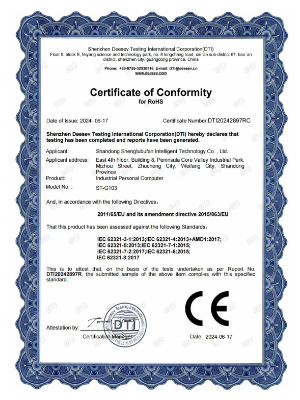
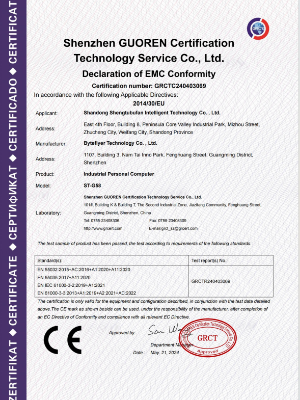
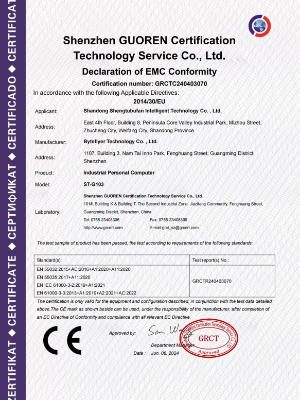
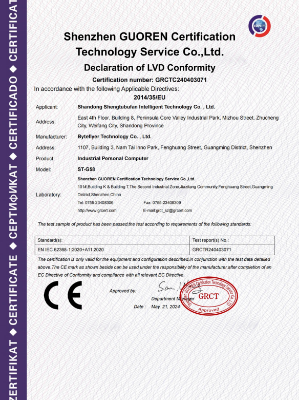
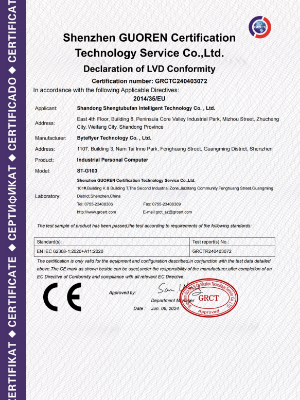
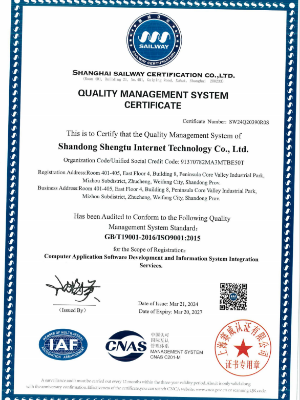
Applicable certificates and documents are confirmed for the equipment model, configuration and destination country. Company management-system records are reviewed separately from product conformity documents.
A management-system certificate doesn't by itself prove that a specific production line or frozen product is safe, fit, or accepted. The contract therefore defines product tests, process controls, documents, and acceptance criteria separately.
Process-control boundary
- Define biological, chemical, and physical hazards
- Assign control points and critical limits where applicable
- Set monitoring, deviation, and record ownership
- Hygiene and sanitation inputs
- Product-contact materials and cleanability
- Drainage, condensation, zoning, and access
- Cleaning verification and changeover plan
Factory test scope
- Mechanical and control-interface checks
- Alarm, interlock, and recipe-function review
- Agreed product or simulation test conditions
Site acceptance scope
- Utility and refrigeration readiness
- Installation, commissioning, and operator training
- Acceptance records against written criteria
Parts We Integrate and Shengtu Engineering Base
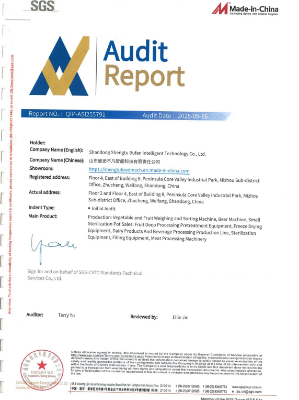
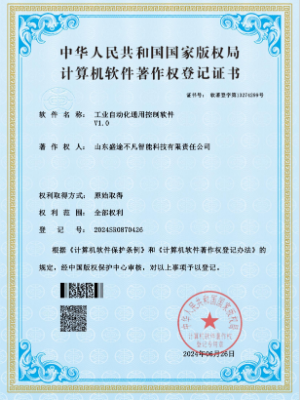
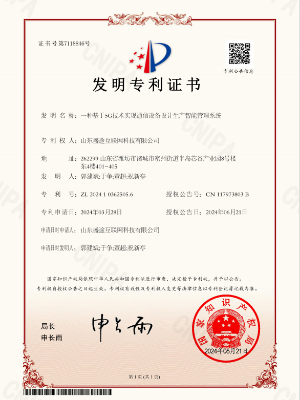
Shandong Shengtu Bufan Intelligent Technology Co., Ltd. is a high-tech enterprise in Weifang focused on food-machinery research and development, manufacturing, and whole-plant digital solutions. Its technical base includes more than 100 research and development projects, more than 100 software copyrights, and 7 patents.
Self-produced hardware
Self-produced hardware supports deeper equipment and control integration.
Smart manufacturing platform
STUnit is used to reduce the cost of future control and software upgrades.
Factory digital planning
Available services include line integration, smart-factory planning, and IT/OT digital empowerment.
INTEGRATED PARTS SPECIFICATIONS
SYSTEM PROCESS
How We Work: From Product Brief to Commissioned Line
Provide the product brief.
We need product, throughput, inlet and target outlet condition, operating pattern, pack format, factory size, and existing equipment.
Assess the process route.
Engineering defines preparation, forming, thermal processing, cooling, freezing, packaging, and inspection interfaces.
Plan the layout and responsibilities.
Project documents define the battery limits for refrigeration, utilities, controls, drainage, ventilation, and site work.
Release the quotation.
Equipment, options, documentation, commercial terms, and schedule are itemized.
Manufacture and integrate.
Project integration combines self-produced hardware with STUnit, low-code control boxes, multi-protocol gateways, and project-approved devices.
Commission and accept.
Installation support, training, test conditions, punch-list handling, and acceptance records follow the agreed scope.
Proprietary controllers and incomplete I/O ownership can delay commissioning when interfaces are defined after fabrication. Because protocol, interlock, and responsibility gaps are expensive to resolve on site, Shengtu engineers one interface register before manufacturing.
Request an engineering interface review if the project includes existing equipment, third-party refrigeration, or mixed controls.
We support standalone OTA upgrades and line-level integration. Recipe, alarm, data, gateway, vision, and edge-algorithm functions are selected per project.
One register documents ownership of every mechanical, electrical, communication, refrigeration, safety, and timing interface. It becomes the working reference for commissioning.
Digital Engineering Tools
TECHNICAL REFERENCE
FAQ: IQF Frozen Food Production Line
Which modules belong in a complete frozen food production line?
The route may include grinding, cutting or mixing, forming, frying or another thermal step, air cooling, an IQF freezer, frozen food packaging, and metal detection. Your product and existing equipment decide which modules remain in the final scope.
How do you select an IQF freezer configuration?
Selection starts with piece geometry, thickness, unit weight, inlet condition, target core temperature, normal and peak kg/h, operating hours, footprint, and refrigeration boundary. Those linked inputs determine whether an IQF tunnel freezer, spiral freezer, or another architecture should enter the residence-time study.
Can Shengtu connect new equipment to an existing line?
Yes, after the mechanical, electrical, protocol, safety, and cycle-time interfaces are recorded. We support standalone equipment, multi-protocol gateways, low-code control boxes, and OTA upgrade paths.
Does quick freezing make the food microbiologically safe?
No. USDA explains that freezing inactivates microbes rather than reliably destroying them; product-specific controls and the applicable HACCP or preventive-control plan remain necessary.
What determines the project price?
Price follows the product, throughput, module scope, freezer and refrigeration route, automation, layout, utilities, packaging, inspection, and acceptance requirements. Shengtu returns the exact figure in a written line quotation rather than presenting a generic IQF freezer for sale price.
How long does manufacturing take?
Production runs are scheduled at 100–120 working days after technical configuration approval. Freight, site installation, commissioning, training, and acceptance are shown as separate schedule stages.
How are payment terms confirmed?
Payment is by T/T, with the payment schedule confirmed in the quotation. The same document fixes equipment scope, optional services, delivery boundary, and acceptance plan.
What information should I send for a proposal?
Send the product description, 3 product dimensions, unit weight, 2 throughput figures, 2 temperature points, operating plan, factory dimensions, utilities, pack rate, existing equipment, and destination. Photos, drawings, layouts, and sample availability shorten the review.
How should cleaning and defrost downtime be discussed?
Provide the product schedule, allergen-change pattern, required cleaning method, production run length, and sanitation window. Cleaning and defrost strategy should separate product cleaning, freezer defrost, and line changeover in the operating plan.
Which acceptance records can be included?
The project can define mechanical checks, control functions, alarms, interlocks, product or simulation test conditions, outlet-temperature records, separation criteria, metal-detection results, training, and punch-list closure. The exact record pack is fixed before manufacturing.
Request a Tailored IQF Line Proposal
Send your product, required capacity, inlet and target outlet condition, factory size, available utilities, pack format, existing equipment, and destination. Our engineering team suggests a configuration route and identifies the open interfaces before providing a quotation.
References & Sources
- USDA FSIS — Freezing and Food Safety
- U.S. FDA — HACCP Principles and Application Guidelines
- FAO — Freezing-time variables and product effects
- 21 CFR 117.80 — Processes and controls
- ISO 22003-1:2022 — Food-safety-management-system certification scope
- Korean Journal for Food Science of Animal Resources — Air temperature and velocity effects on freezing
- International Institute of Refrigeration — Role of refrigeration in the global economy, 3rd edition
- Food Engineering — Freezing and cooling technology selection
![F&V Freeze-Drying Line Process Guide [2026]](https://shengtumachinery.com/wp-content/uploads/2026/09/fv-freeze-drying-line-guide-featured-150x150.png)