Get in touch with Shengtu Bufan Company

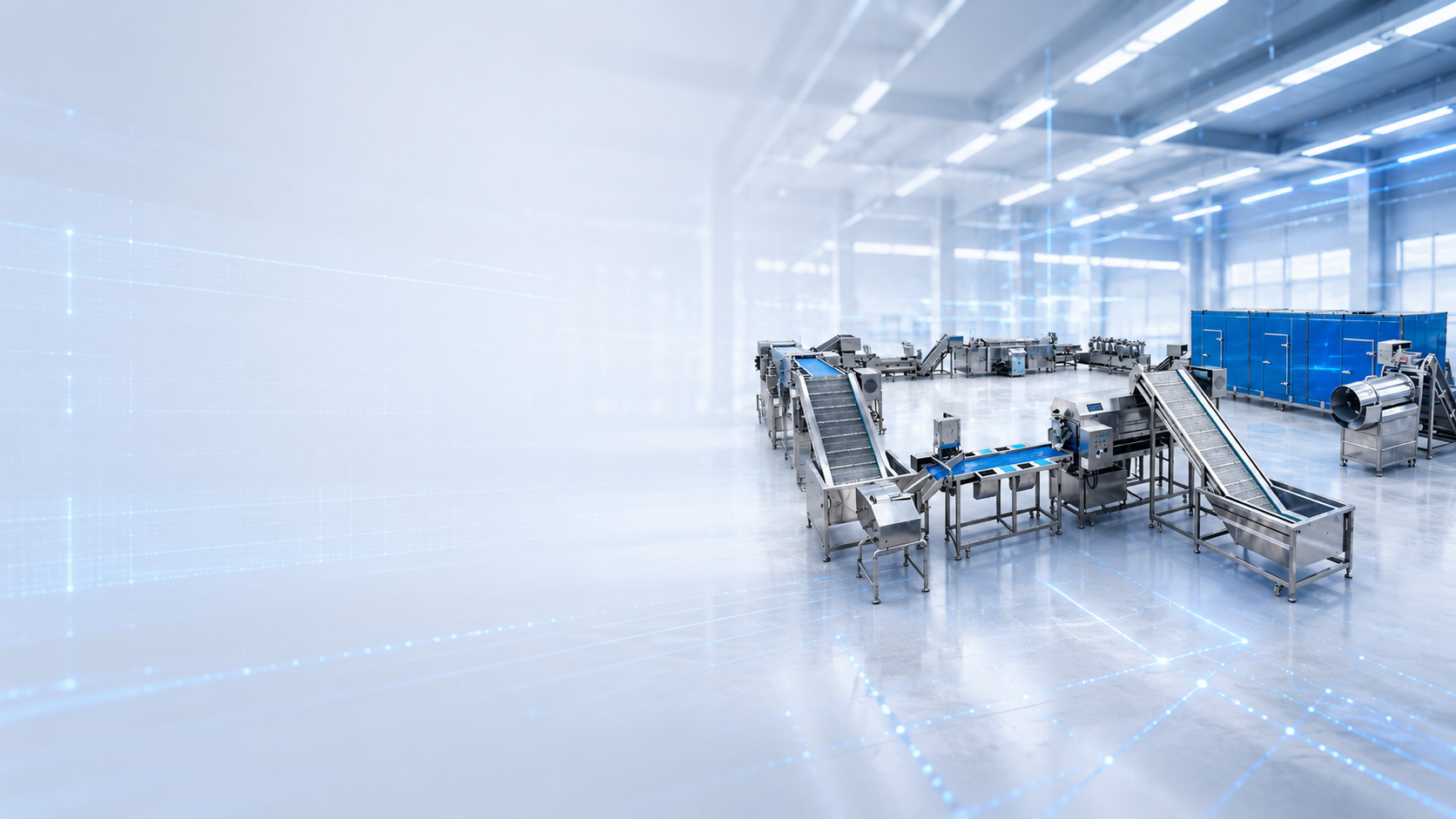
Industrial snack food processing
Potato Chips & Fried French Fries Processing Line
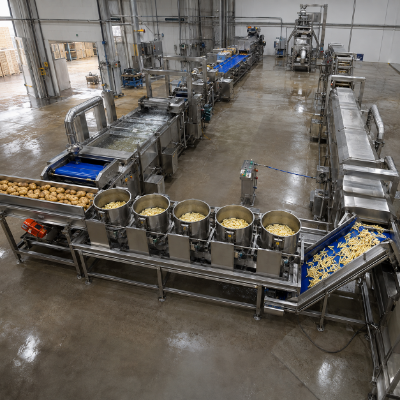
Shengtu configures a potato chips production line or fried French fries production line around your product, cut, utilities, packaging and plant constraints. Its documented route covers washing and peeling, slicing, blanching, frying, and packaging.
- Two fried-potato routes
- Reference machine data disclosed
- Utilities and acceptance planned together
- Digital options scoped by project
Two Fried-Potato Product Routes on One Configurable Processing Platform
A shared front end prepares raw potatoes, but cut geometry and the finishing route change the processing equipment, control recipe and acceptance criteria. These routes are not interchangeable, so fix the finished product first and balance every stage around that target.
SCOPE EVIDENCE BOUNDARY
Only washing or peeling, slicing, blanching, frying and packaging are documented in the supplied route materials. De-oiling, seasoning, dewatering, conveyors and any other listed route stages require written quotation confirmation.
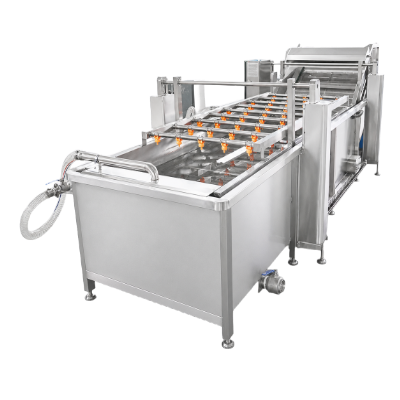
ROUTE A
Industrial Potato Chips
- Potato washing
- Peel
- Thin slice
- Blanch
- Fry
- De-oiling
- Seasoning
- Pack
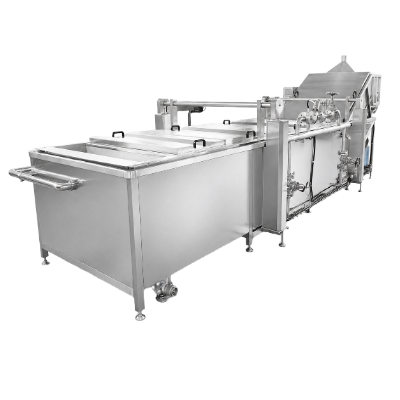
ROUTE B
Fried French Fries
- Washer
- Peeling machine
- Cutter
- Blanching machine
- Dewatering
- Fryer
- Conveyor belt
- Packaging machine
FROZEN ENDPOINT BOUNDARY
A complete frozen French fries production line needs the par-fried fries endpoint, cooling, a freezing tunnel, cold-chain handoff and frozen-product acceptance to be confirmed separately.
Product Inputs, Cut Formats, and Route Boundaries
Raw material variation travels through the whole production process. Potato variety, storage history, reducing sugars, solids, size distribution and defect rate belong in the product brief because they can affect color, texture, oil uptake and product quality.
Incoming potato brief details
- Variety and harvest/storage history
- Size distribution and defect limits
- Reducing-sugar and solids targets
- Soil load, peel loss and sorting plan
Cut and finish brief details
- Chip slice or French fry strip
- Documented slicer support: 1-5 mm slices
- Target color, texture and oil condition
- Seasoning to packing sequence
Optional scope questions details
- Destoner or optical sorter
- Picking line and manual inspection points
- Coating, dewatering or de-oiling machine
- Frozen fries or ambient fried product
Process Treatments from Washing to Packaging
Potato chips processing carries a mismatch risk because a change at cutting or blanching can move fryer load, oil management and packer behavior. FDA guidance frames acrylamide reduction as a process-control task rather than one universal setpoint. Shandong Shengtu Bufan Intelligent Technology Co., Ltd.’s supplied documents provide a reference configuration for that review.
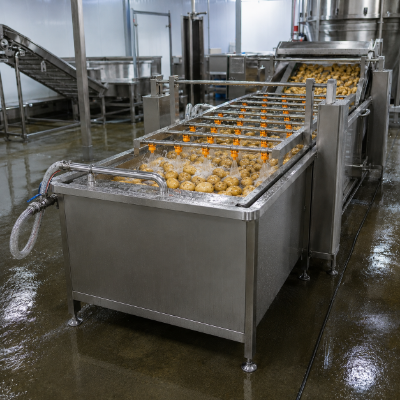
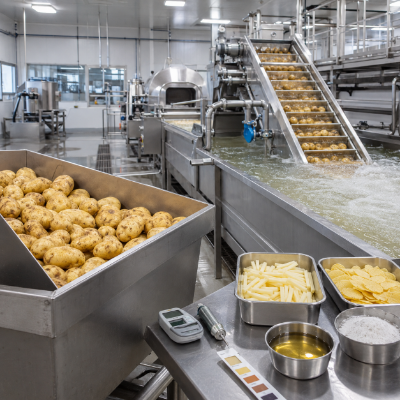
Washing and peeling
A bubble washer removes soil before the brush peeler. This referenced washer uses 304 stainless steel, while any broader food-grade stainless steel requirement must be written into the quotation.
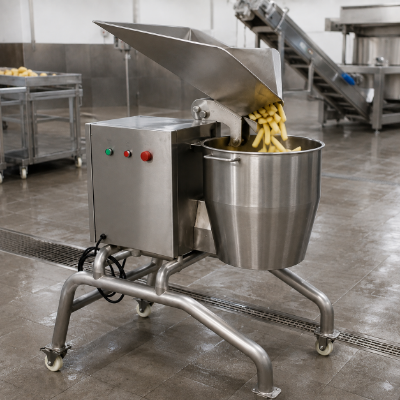
Slicing and cutting
A slicing machine sets a documented 1-5 mm chip range. A French fry cut needs its own geometry and tolerance review rather than a label change on the same recipe.
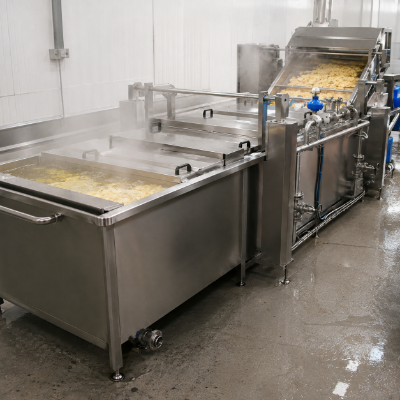
Blanching
Blanching affects surface starch, color precursors and the load entering the fryer. Time, temperature, water quality and product loading must be validated against the buyer’s raw potatoes and finished-product specification.
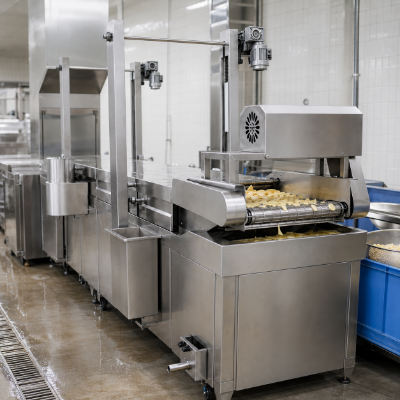
Frying and oil handling
Frying time and temperature interact with potato composition, cut size, color and acrylamide formation. The quotation should identify heating method, oil circuit, filtration, exhaust and temperature control boundaries.
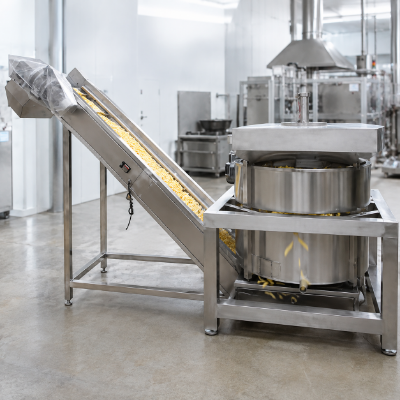
De-oiling and seasoning
De-oiling, cooling and seasoning are balanced against surface oil and product fragility. Required recipe changeover and cleaning access belong in the acceptance plan.
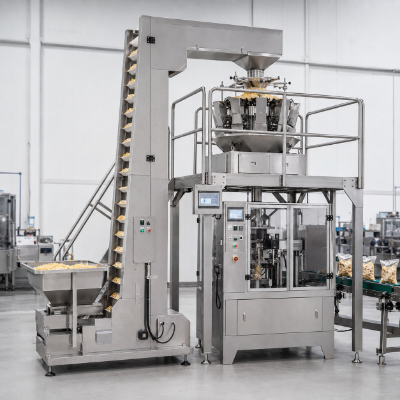
Packaging
Match the packing machine to bag dimensions, film structure, target weight, product fragility and upstream feed behavior. Packaging speed alone does not establish finished-line capacity.
Reference Equipment Specifications
Each value describes a supplied individual-machine reference configuration, not full-line throughput. Final production capacity needs one basis for raw input, finished output, planned uptime, product loss and accepted packaging rate.
Throughput Bottleneck and Acceptance Map:
Nameplate rate is not a substitute for accepted finished output. An unbalanced line costs you stable continuous production and accepted output even when individual rates look high. Confirm the slowest accepted stage against one common capacity basis.
Review These Specs Against Your Plant
Line Input Readiness Check
Turn product, utility, layout and packaging assumptions into a structured RFQ before comparing production lines.
| Equipment or item | Reference size or range | Power and utilities | Documented configuration note |
|---|---|---|---|
| Bubble washer | 4000 x 1530 x 1400 mm | 4.8 kW; 380 V/50 Hz | 304 stainless-steel construction |
| Brush peeler | 1600 x 760 x 1400 mm | 3 kW | 9 rollers: 6 nylon and 3 carborundum |
| Potato cutting machine / slicer | 1350 x 800 x 1510 mm | 1.5 kW; 380 V/50 Hz | Referenced slicing unit |
| Slice range | 1-5 mm | Product dependent | Documented slicer range |
| Blancher | 4000 x 1200 x 1800 mm; 800 mm belt | 400 kg/h steam | Referenced blanching unit |
| Continuous fryer | 5000 x 1200 x 1800 mm; 800 mm belt | 150 kW electric heating | Referenced fryer configuration |
| Packaging system envelope | 5658 x 1800 x 3650 mm | Confirm local voltage | Reference configuration, not plant footprint |
| Bag dimensions | 80-400 mm long; 100-300 mm wide | Product and film dependent | Referenced packaging range |
| Packaging rate | Approximately 30-40 bags per minute | Depends on bag and product feed | Packaging-machine reference only |
| Packaging film | Up to 620 mm wide; 0.04-0.09 mm thick | BOPP/CPP or PET/AL/PE | Referenced supported structures |
| Full-line output | Not stated in the supplied evidence | Requires balanced-utility review | Must be defined in the project acceptance basis |
Process Control, Hygiene, and Acceptance Planning
Equipment capability is one part of food processing control. FDA’s HACCP guidelines place the site-specific plan with the food establishment and its multi-disciplinary team, so the buyer’s hazards, critical limits, verification and records must be established for the actual product and facility.
Utilities, Safety and Handover Scorecard
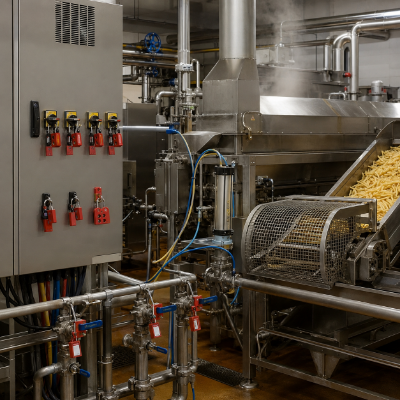
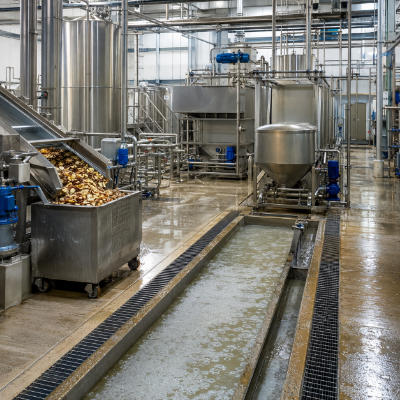
Acceptance matrix
Acceptance layer
Example criteria to define
Evidence format
Machine
Direction, speed range, interlocks, alarms and utility checks
Inspection record and functional test
Line
Product flow, buffer behavior, stoppage recovery and packaging feed
Integrated run record
Product
Cut, color, texture, oil condition, seasoning and pack integrity
Approved sample and test sheet
Operations
Cleaning, changeover, energy isolation, training and spare parts
Signed handover package
How We Work: From Product Brief to Line Handover
STEP 01
Product brief
You provide raw-potato data, product endpoint, cut, output basis and package.
STEP 02
Plant brief
You provide floor dimensions, access, power, steam, water, exhaust, drainage and network rules.
STEP 03
Route review
Shengtu maps the common front end, route-specific stages, optional modules and exclusions.
STEP 04
Configuration review
The equipment list, utilities, conveyor interfaces, controls and layout assumptions are reconciled.
STEP 05
Acceptance freeze
Both sides define factory testing, site testing, product criteria, documents, training and responsibilities.
STEP 06
Quotation and handover plan
The written quotation carries the agreed scope, schedule basis and project boundaries.
Projects That Need Additional Modules or a Different Route
Bigger equipment is not always the right call for every potato product or factory boundary. For procurement, the catch is that route changes should be explicit before a turnkey project, layout or price is accepted.5
Project situation
Why the supplied route is incomplete
Next design action
Formed or stacked potato snacks
Dough preparation and forming replace direct raw-potato slicing
Scope a formed-snack production line
Automatic frozen French fries
A frozen French fries plant needs cooling, freezing, frozen handling and cold-chain acceptance
Define par-frying, freezing tunnel and final temperature basis separately
Unknown full-line capacity
Individual machine data cannot reveal the slowest accepted stage
Run a line-balance review on one raw-input and finished-output basis
High soil or stone load
Standard preparation may need more separation and inspection
Add destoner, sorter or picking-line requirements to the plant brief
Restricted wastewater discharge
Washing, peeling and blanching create solids and organic loads
Define separation, pretreatment and local discharge requirements
Related Food Processing Solutions
Potato projects often sit beside other cleaning, peeling or fresh-cut programs in the same factory portfolio. Use these adjacent solution pages to compare preparation and hygiene boundaries without treating them as substitutes for a dedicated fried-potato line.
Root vegetable washing and peeling
Review a configurable route for soil removal, washing, peeling and downstream preparation of root crops.
Explore the root vegetable processing lineLeafy fresh-cut processing
Compare a produce-specific route built around gentle handling, staged washing and fresh-cut line controls.
Explore the leafy fresh-cut linePOTATO LINE DIGITAL TOOLS
Explore our specialized digital tools designed for potato processing line planning, readiness evaluation, and process acceptance.
Build a Decision-Ready RFQ
Send enough information to compare one line scope against another on the same basis. Shengtu can then review configuration, utility and layout assumptions without hiding unknowns inside a generic capacity label.
- 01Target product and reference sample
- 02Raw-potato specification
- 03Cut format and tolerance
- 04Raw input and finished output basis
- 05Heating method and local voltage
- 06Steam, water and compressed-air availability
- 07Bag size, film and target weight
- 08Plant dimensions and access route
- 09Exhaust, drainage and wastewater limits
- 10Automation and remote-access rules
- 11Factory and site acceptance criteria
- 12Required documents, training and spares
01
What separates a potato chip route from a fried French fry route?
Both routes share preparation stages, but cut geometry, blanching, frying, de-oiling, seasoning, cooling and packaging acceptance differ. Freeze the product endpoint before choosing equipment.
02
Why does blanching matter before frying?
Blanching can influence surface starch, color precursors, texture and the load entering the fryer. Its time and temperature need product validation rather than a copied universal recipe.
03
Which raw-potato inputs belong in the RFQ?
Record variety, storage history, size distribution, defects, reducing sugars, solids and soil load. These inputs help explain why the same machine settings can produce different color or texture.
04
Does fully automatic mean the line runs unattended?
No. Automation can coordinate conveyors, recipes, alarms and data, while operators still own raw-material checks, sanitation, oil management, food-safety verification and maintenance.
05
What slice thickness does the referenced slicer support?
Supplied slicer data supports 1-5 mm slices. French fry strip geometry requires a separate cutter and acceptance review.
06
How should production capacity be stated?
State raw input, accepted finished output, planned uptime, product loss and package basis together. Supplied evidence does not provide one reconciled full-line number.
07
Which utility figures are already documented?
Referenced blancher data lists 400 kg/h steam, while the continuous fryer lists 150 kW electric heating. A final utility schedule must reconcile every selected machine and local service.
08
Which package sizes fit the referenced system?
Reference data covers 80-400 mm bag length, 100-300 mm bag width and film up to 620 mm wide at 0.04-0.09 mm thickness. Its noted rate is approximately 30-40 bags per minute for that packaging configuration, not the whole line.
09
Does this page include a complete frozen-fries plant?
No. Cooling, a freezing tunnel, frozen product handling, cold-chain interface and final frozen-product acceptance require a separately confirmed frozen French fries production line scope.
10
What belongs in factory and site acceptance?
Use 4 layers: machine functions, integrated line behavior, product criteria and operating handover. Name the sample, measurement, record owner and pass condition for each item.
11
Who prepares hazardous-energy procedures?
Plant employers own their energy-control program, training and inspections under applicable rules such as OSHA 29 CFR 1910.147. Equipment review should still identify electrical, steam, hot-oil, pneumatic and stored-energy isolation points.
12
How should remote access be specified?
Define whether access is disabled, temporary or persistent, then document approval, accounts, authentication, segmentation, logging, backup and recovery. NIST SP 800-82 Rev. 3 provides an OT-security planning reference.
![F&V Freeze-Drying Line Process Guide [2026]](https://shengtumachinery.com/wp-content/uploads/2026/09/fv-freeze-drying-line-guide-featured-150x150.png)