Get in touch with Shengtu Bufan Company

Project Documentation Review
Food Retort / Autoclave Sterilizer
Food Retort Machine & Autoclave Sterilizer
- Product-and-package-led configuration
- Custom controls and line integration
- Engineering review before selection
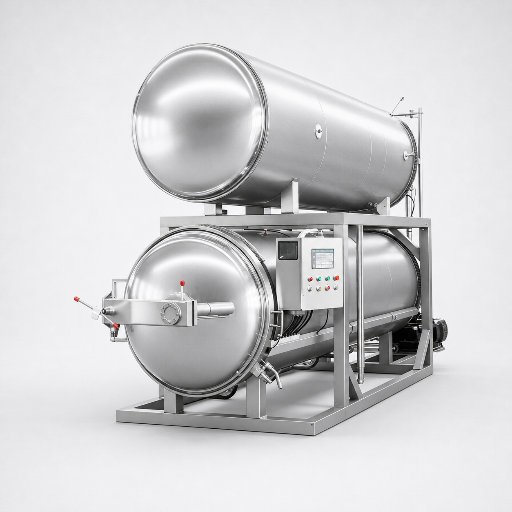
Shengtu builds food retort machine projects around the product, sealed package, target throughput, utilities and the scheduled-process requirements supplied by your qualified processing authority. Our scope can connect custom retorts, self-produced hardware, controls and production line integration without treating automation as a substitute for process validation.
Custom Equipment
We build custom retorts around documented project inputs.
Hardware Scope
We use self-produced hardware for equipment integration.
Control Platform
We connect project controls through the STUnit platform.
System Updates
We support standalone OTA upgrades within an agreed change-control scope.
Line Interfaces
We provide production line integration for defined upstream and downstream signals.
Plant Planning
We support smart factory planning around the approved equipment scope.
Food Retort Applications & Package Fit
Food retorts are closed vessels used to thermally process food in hermetically sealed packages. The term autoclave also appears in food-processing practice, but this page concerns purpose-built food equipment rather than medical or laboratory sterilizers.4
Equipment selection begins with the food and package, not a catalog model. Cans, jars, pouches and trays are not interchangeable inputs: formulation, viscosity, particulates, fill weight, headspace, container dimensions, orientation, closure and package rigidity can all change heat-transfer behavior, pressure-management questions and the validation plan.
Rigid cans
Record can size, fill weight, headspace, product consistency and loading pattern. A saturated steam retort may enter the candidate set, but the final process and venting procedure remain specific to the scheduled process.
Glass jars and bottles
Review closure system, thermal shock, container orientation, loading restraint and cooling-water conditions. Package-supplier input belongs in the project file before trials.
Flexible pouches
Capture pouch material, seal geometry, filled thickness, residual air, rack support and orientation. Pressure differential during heating and cooling is a package-integrity question, not an optional afterthought.
Trays, bowls and semi-rigid packs
Document lid system, flange support, deformation limits and basket or tray arrangement. These packages often require explicit overpressure and support discussions with the package supplier and processing authority.
US product-path screening
For a US project, identify whether the product enters the FDA low-acid or acidified-food route and whether meat or poultry content may place it under USDA continuous inspection. That screening sets the right regulatory and processing-authority questions; it is not a legal determination by the equipment supplier.
Retort Process Options
There is no universal “best” retort process. A useful comparison asks whether the heating medium, circulation, agitation and pressure-control approach can support the exact product, package, loading pattern and scheduled-process work; the fastest heating option is not always the right package or quality choice.4
| Process family | Start the review with | Package and product questions | Engineering inputs |
|---|---|---|---|
| Saturated steam | Direct steam heating and air-removal procedure | Rigid-container suitability, condensate behavior, venting and load circulation | Product/container schedule, basket pattern, steam supply and vent configuration |
| Steam-air | Steam heating with controlled air overpressure | Flexible or semi-rigid package pressure balance and circulation through the load | Package pressure limit, fan/circulation concept, utilities and cooling method |
| Water spray retort | Recirculated water delivered through spray distribution | Spray coverage, package support, heat-exchanger loop and overpressure need | Water quality, cooling loop, rack geometry, load density and pump duty review |
| Water immersion retort | Load surrounded by recirculated process water | Buoyancy, container restraint, water circulation and transfer sequence | Basket geometry, water storage concept, heat source, floor load and drainage |
| Rotary retort | Controlled agitation during thermal processing | Product movement, particulate integrity, headspace, closure stress and container orientation | Agitation mode, speed envelope for study, clamping, loading pattern and maintenance access |
Machine Configuration & Line Integration
A retort vessel is only one part of the production system. Loading and unloading, baskets or trays, product traffic control, utilities, cooling, controls and upstream/downstream interfaces determine whether the installation can run as intended.4
Mechanical configuration
Define package dimensions, loading orientation, packs per basket, door and maintenance clearances, floor loading, loading method and space for future expansion. The agreed arrangement should also make instrument access, cleaning and service work practical.
Utility envelope
Provide available steam, compressed air, power, process water, cooling-water quality and drainage conditions. Utility limitations can become the hidden bottleneck even when the vessel itself appears large enough.
Material handling
Map how sealed packs reach the retort, how unprocessed and processed loads remain separated, and how baskets, shuttles or conveyors return. Traffic control and load identity belong in the operating concept.
Integrated production line
We combine smart packaging equipment with production line integration when the project scope calls for it. We use self-produced hardware to connect agreed machine interfaces rather than treating every adjacent process as part of an undefined turnkey promise.
We provide smart factory planning and IT/OT digital integration for defined data, control and reporting boundaries. The interface list should state signal ownership, protocol, alarm handling, line-stop behavior, time synchronization and the party responsible for changes after acceptance.
Retort Controls, Monitoring & Smart Upgrades
Control hardware must execute the approved operating process while keeping operator actions, alarms and records understandable. It can help sterilize packaged food only as part of the approved operating process; the scheduled process and critical factors still govern each product/container combination.1
Control architecture
We configure low-code control boxes for the agreed equipment scope. We use multi-protocol gateways when defined devices or systems need controlled data exchange.
Digital platform
We use the STUnit platform for approved monitoring and integration functions. We can incorporate YOLO vision and edge algorithms where the project has a documented inspection or handling use case.
Update boundary
We support standalone OTA upgrades, but every remote or offline update path needs an owner, authorization method, test plan, rollback method, availability window and audit requirement.
OT review
Remote access, network segmentation, credentials, backups, time sources, change approval and incident response should be agreed with the plant’s OT owner. NIST SP 800-82 Rev. 3 provides the broader security context for balancing protection with performance, reliability and safety.5
Standard Retort Engineering Baseline
We engineer standard food-retort projects around the baseline below. Final model selection follows the product, package, basket layout, utility study and destination pressure-vessel requirements; the scheduled process remains product-specific.
| Specification | Standard baseline | Configuration note |
|---|---|---|
| Vessel inside diameter — Option A | 1000 mm | Selected from basket loading and throughput |
| Vessel inside diameter — Option B | 1200 mm | Selected from basket loading and throughput |
| Vessel inside diameter — Option C | 1400 mm | Selected from basket loading and throughput |
| Vessel shell length | 2400–3600 mm | Final length follows basket count |
| Design temperature | 147°C | Pressure-vessel design value |
| Maximum sterilization setpoint | 135°C | The scheduled-process setpoint cannot exceed the equipment and project limit |
| Design pressure | 0.35 MPa | Pressure-vessel design value |
Udtech Retort
Process Authority, Regulatory Path & Project Acceptance
For US low-acid foods in hermetically sealed containers, 21 CFR Part 113 distinguishes the processor's operating process from the process established by qualified thermal-processing expertise. This boundary matters because an automated machine can execute approved instructions without taking over the processor's supervision, deviation and record responsibilities.1
“Scheduled processes for low-acid foods shall be established by qualified persons having expert knowledge of thermal processing requirements.”
21 CFR 113.83, Establishing scheduled processesCompany records: Request the current holder, scope and validity details.
Equipment conformity: Confirm the documents for the model, configuration and destination country.
Order documents: Agree inspection records, manuals, drawings and shipment paperwork in the contract.
Food Processor
Own product and market decisions, engage qualified processing expertise, select the operating process, control production, train appropriate supervision, review records and manage deviations.
Qualified Processing Authority
Establish the product/container-specific scheduled process and identify critical factors using appropriate facilities, studies and scientific methods.
Equipment Supplier
Translate approved requirements into the contracted mechanical, utility, control and documentation scope, then demonstrate the agreed equipment functions during acceptance.
Package Supplier And Line Integrator
Provide container/closure limits, loading information and interface responsibilities needed for trials, handling, inspection and system integration.
Hidden Bottleneck Map
| Bottleneck | What It Can Change | Owner To Close It | RFQ Evidence |
|---|---|---|---|
| Package pressure sensitivity | Process family, overpressure logic, rack support and cooling | Processor + package supplier + authority | Package construction, closure limits and filled samples |
| Viscosity and particulates | Heat penetration, agitation need and product quality trade-off | Processor + authority | Formulation boundary and product characterization |
| Loading pattern | Circulation, temperature distribution, basket count and handling | Processor + supplier | Container drawing and proposed load map |
| Utility concurrency | Come-up behavior, batch scheduling and recovery options | Plant engineer + supplier | Measured steam, water, air and power conditions |
| Control changes | Recipe integrity, uptime, records and cyber risk | QA + OT owner + supplier | Access, approval, backup, rollback and audit rules |
| Acceptance ownership | FAT/SAT scope, delays and unpriced validation work | Procurement + QA + all technical parties | Responsibility matrix and signed deliverable list |
×
![Enlarged Image]()
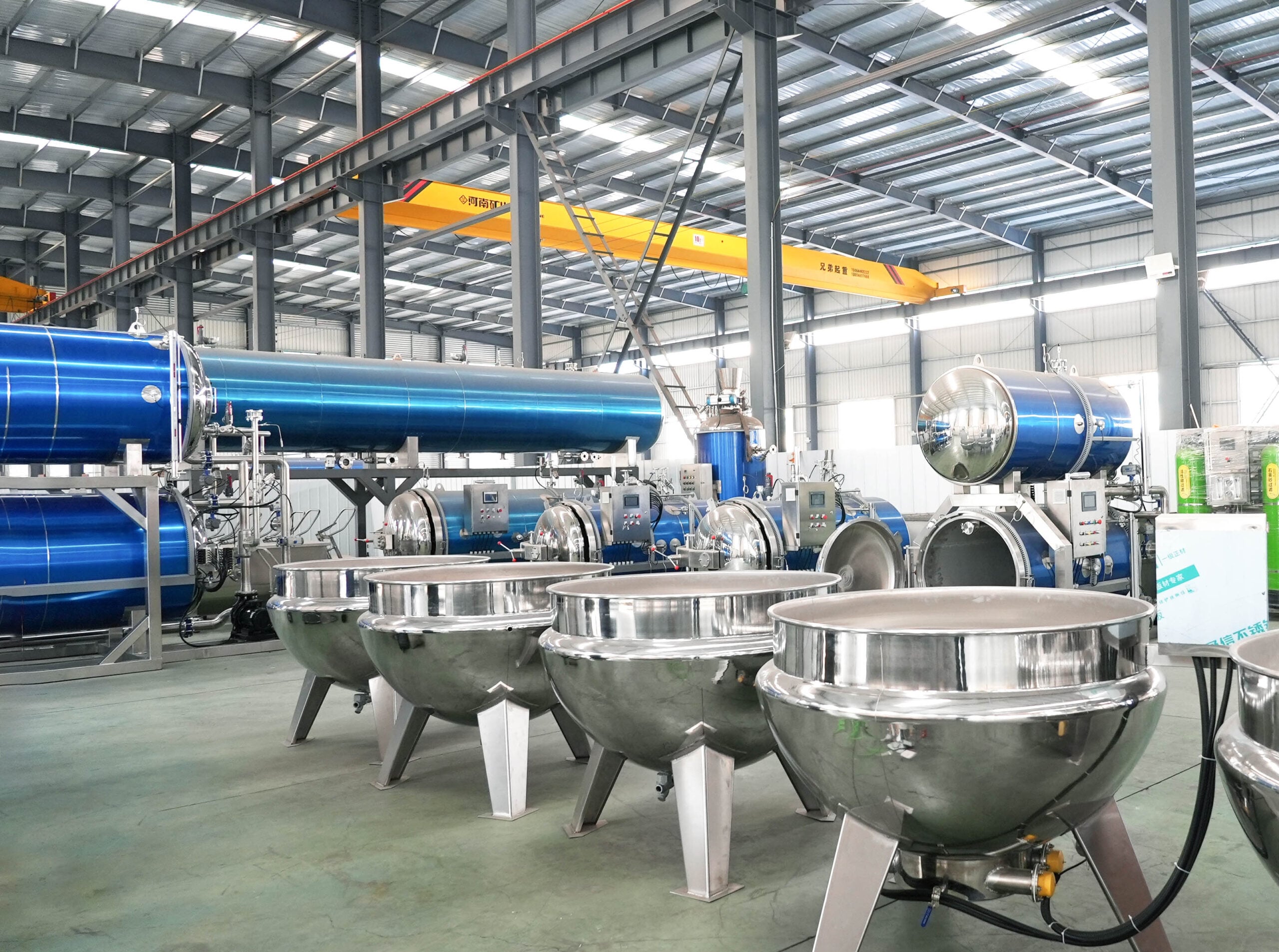
Retort Equipment Gallery & Workshop Views
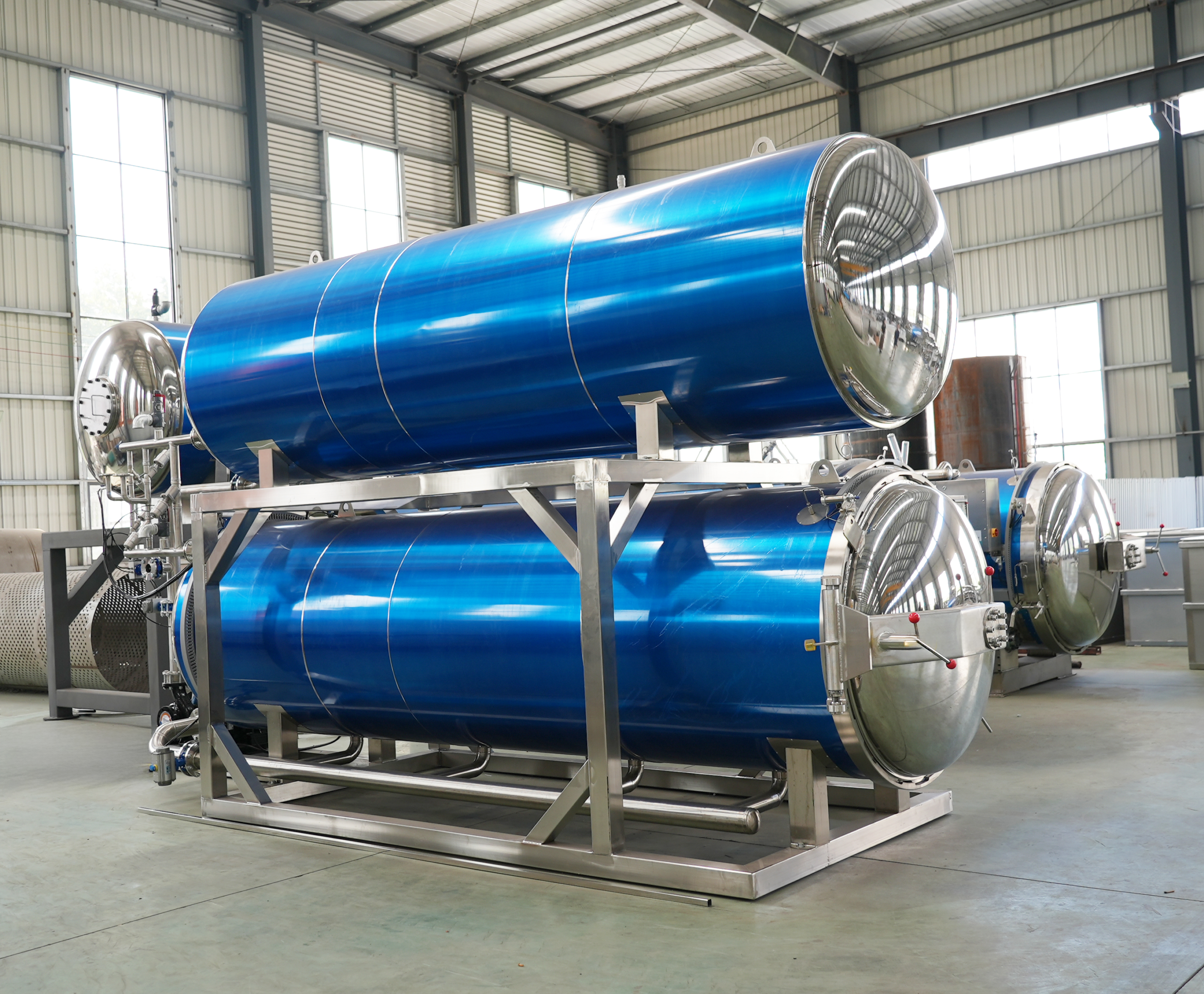
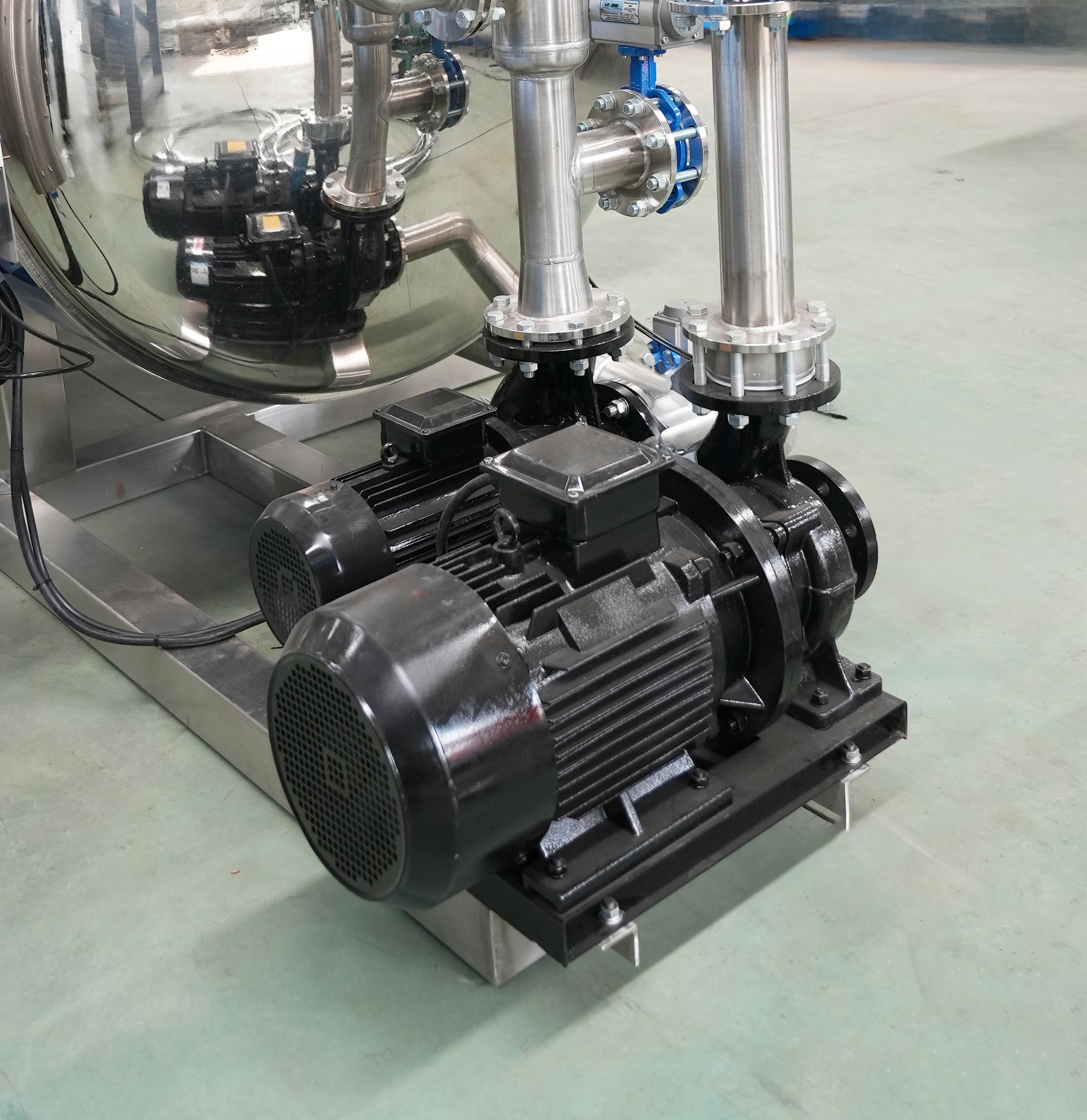
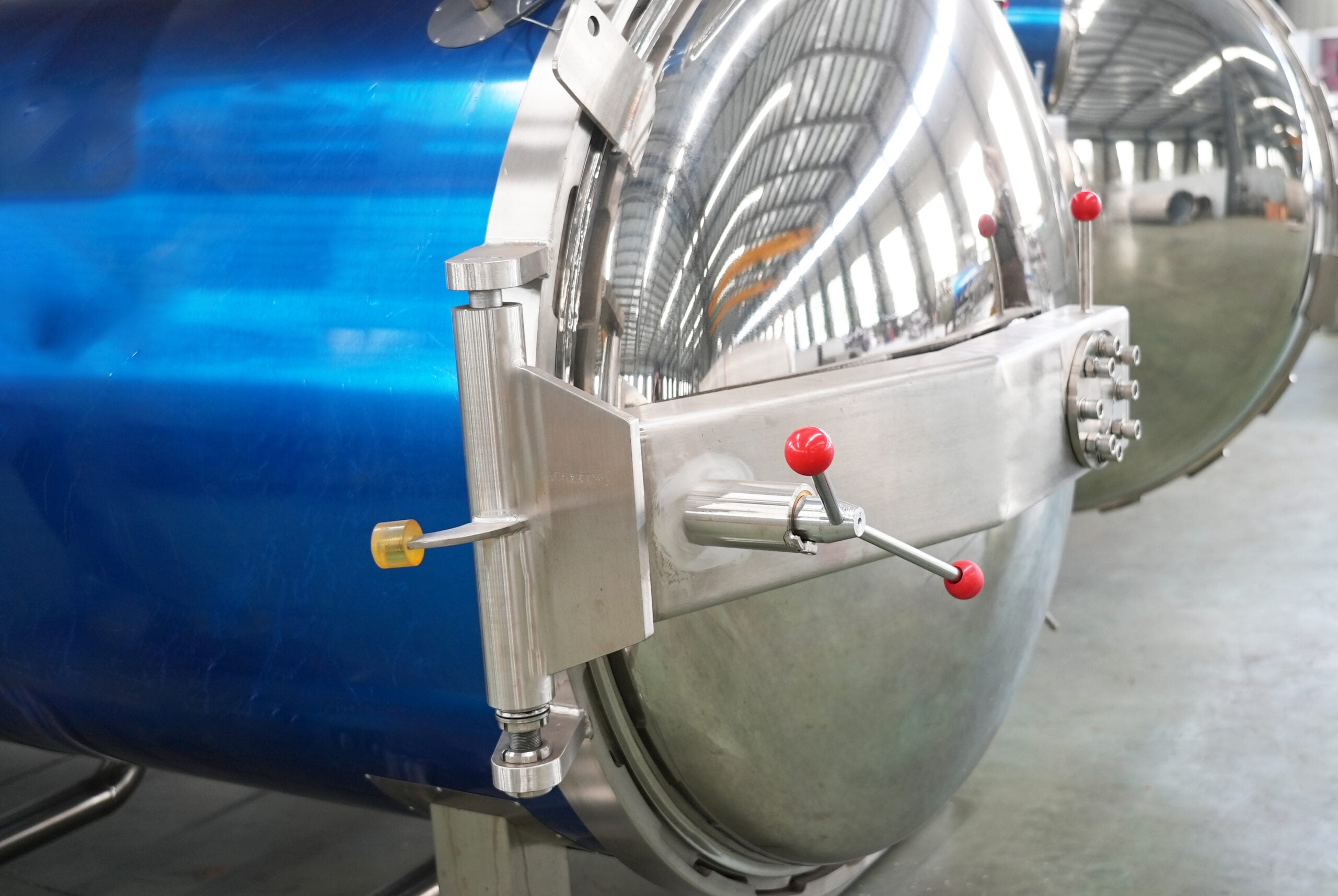
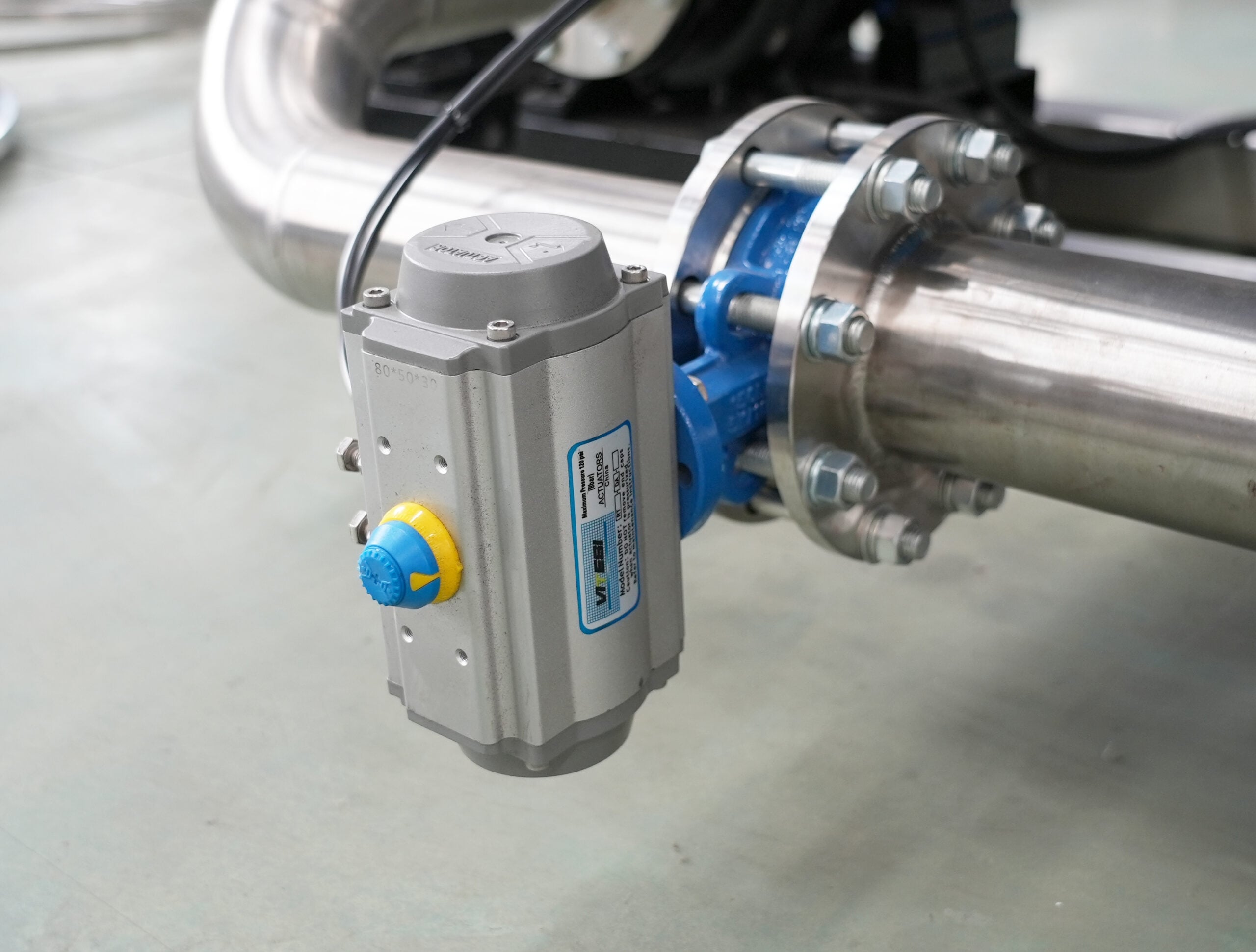
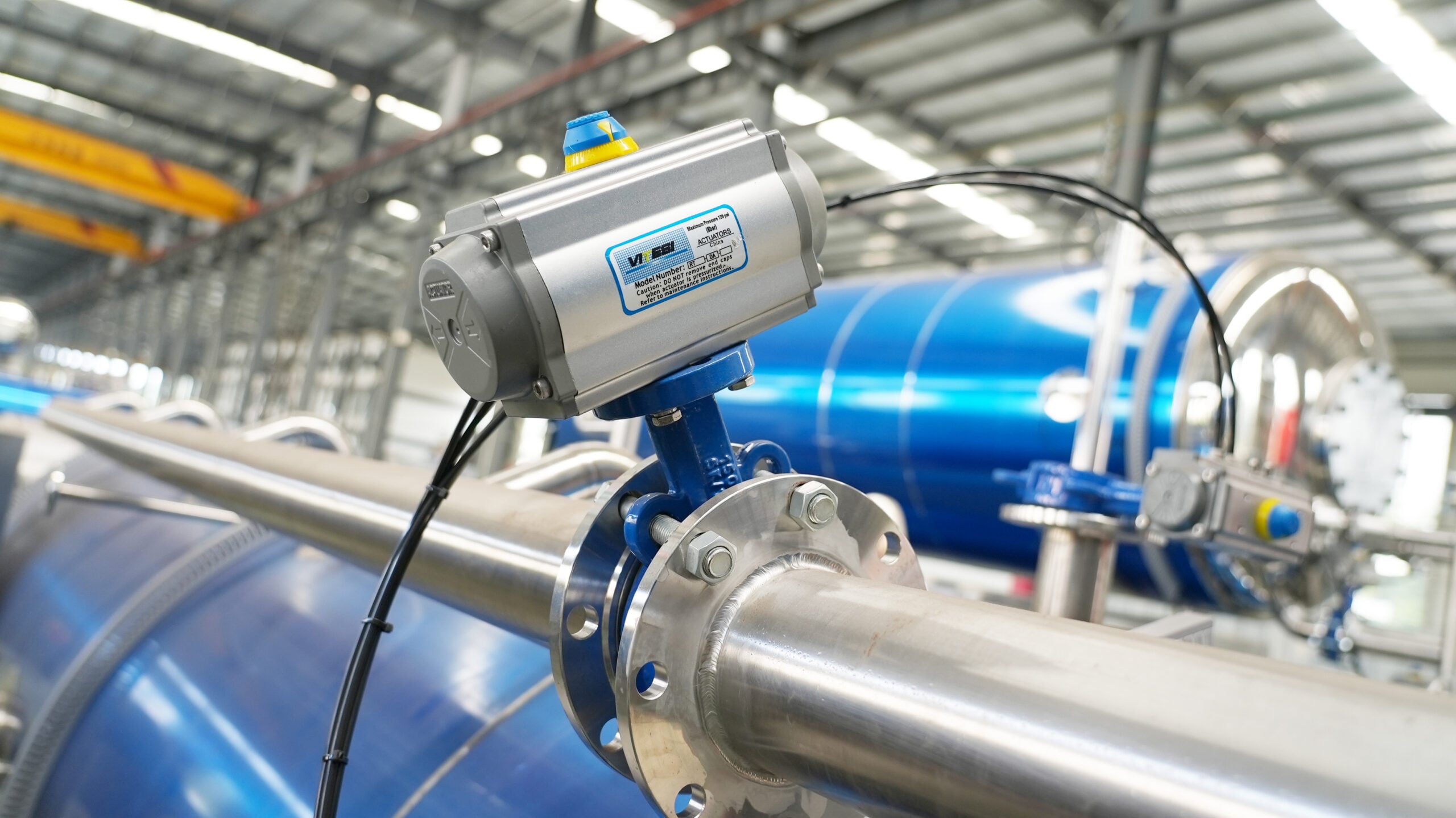
The images below are client-supplied views of retort equipment, controls, piping and workshop context. They document visible equipment only and are not used as proof of a model's capacity, material grade, measured performance or certification.
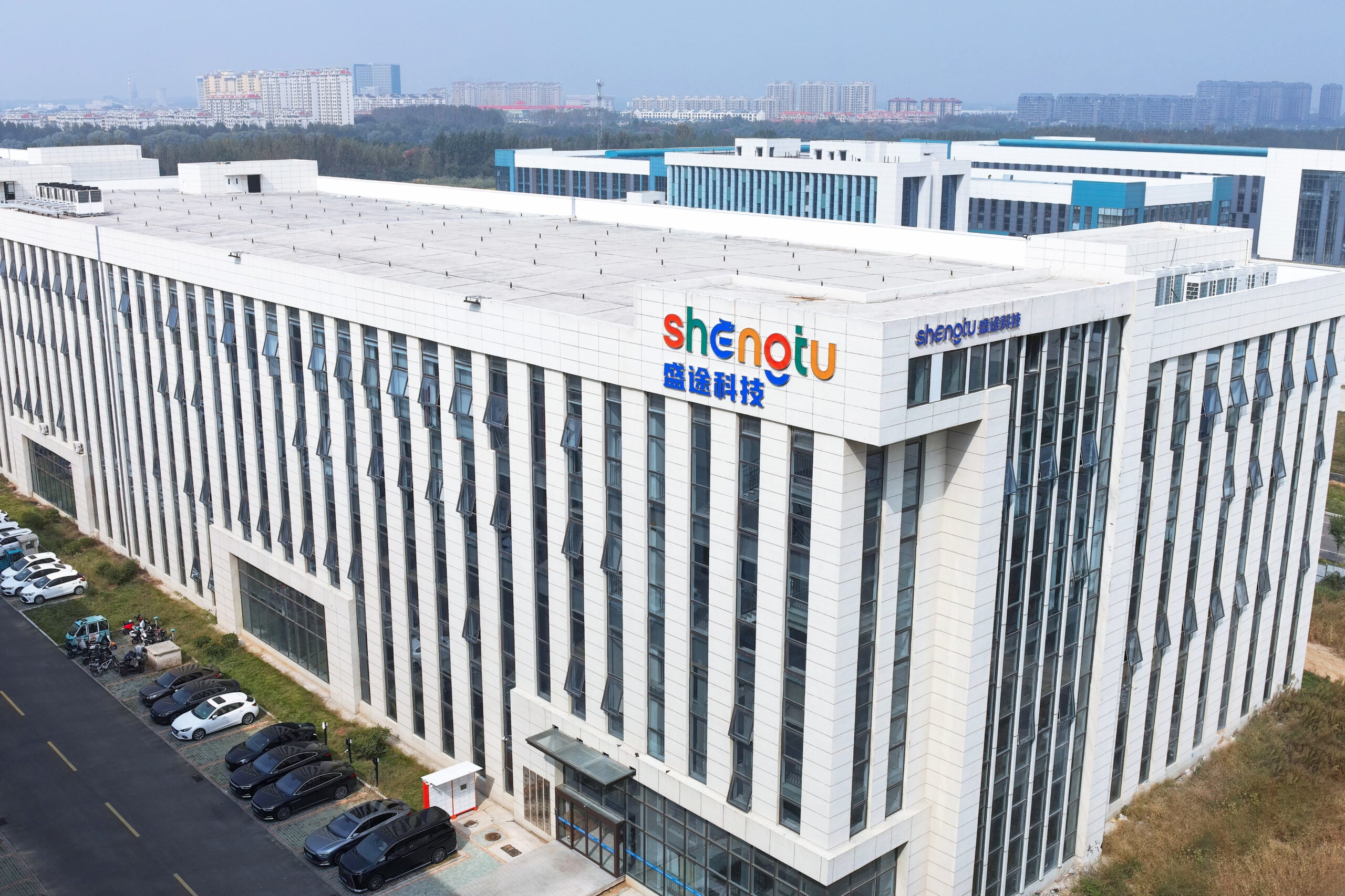
Workshop Exterior
System Controls
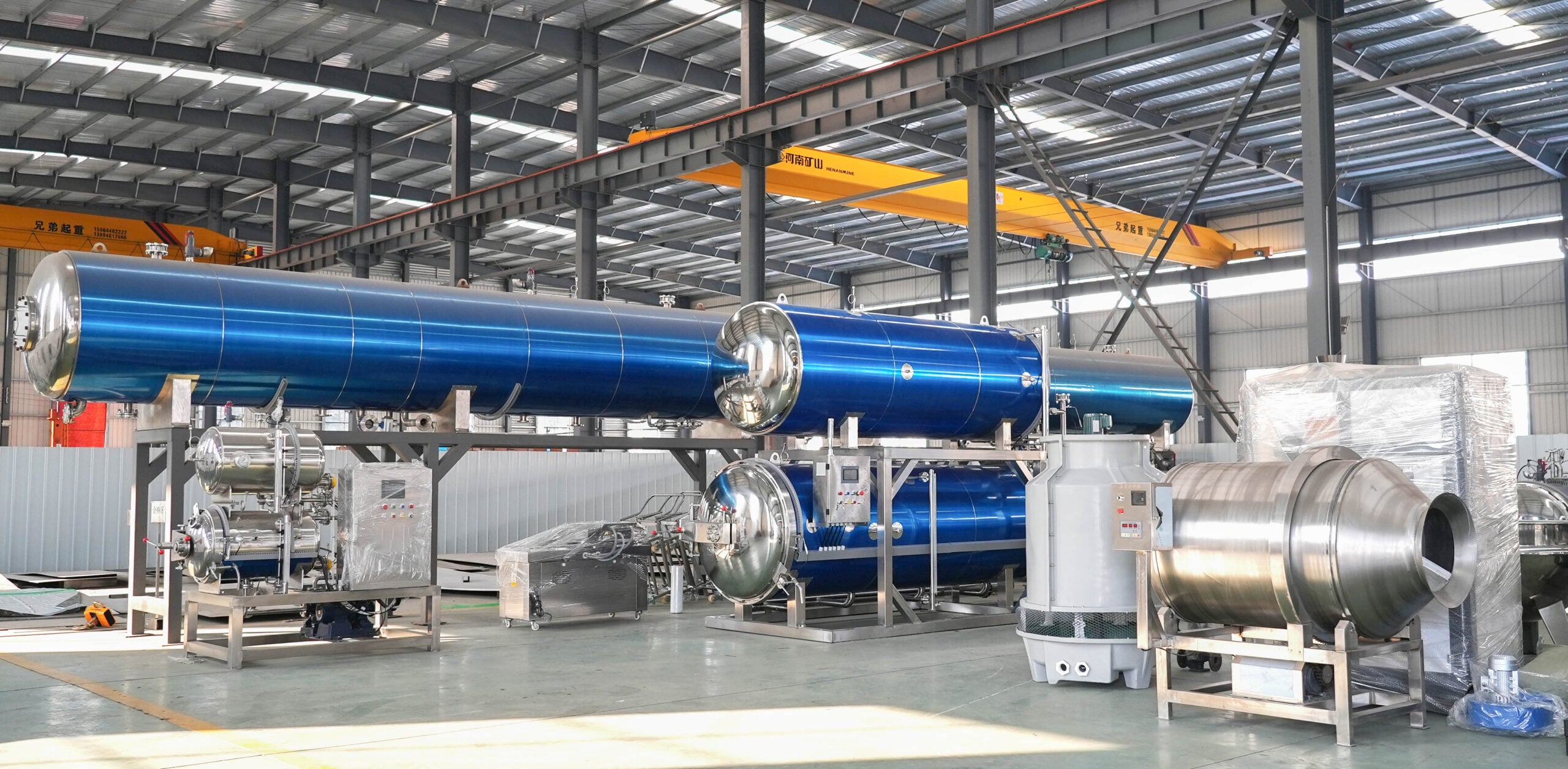
Equipment Piping
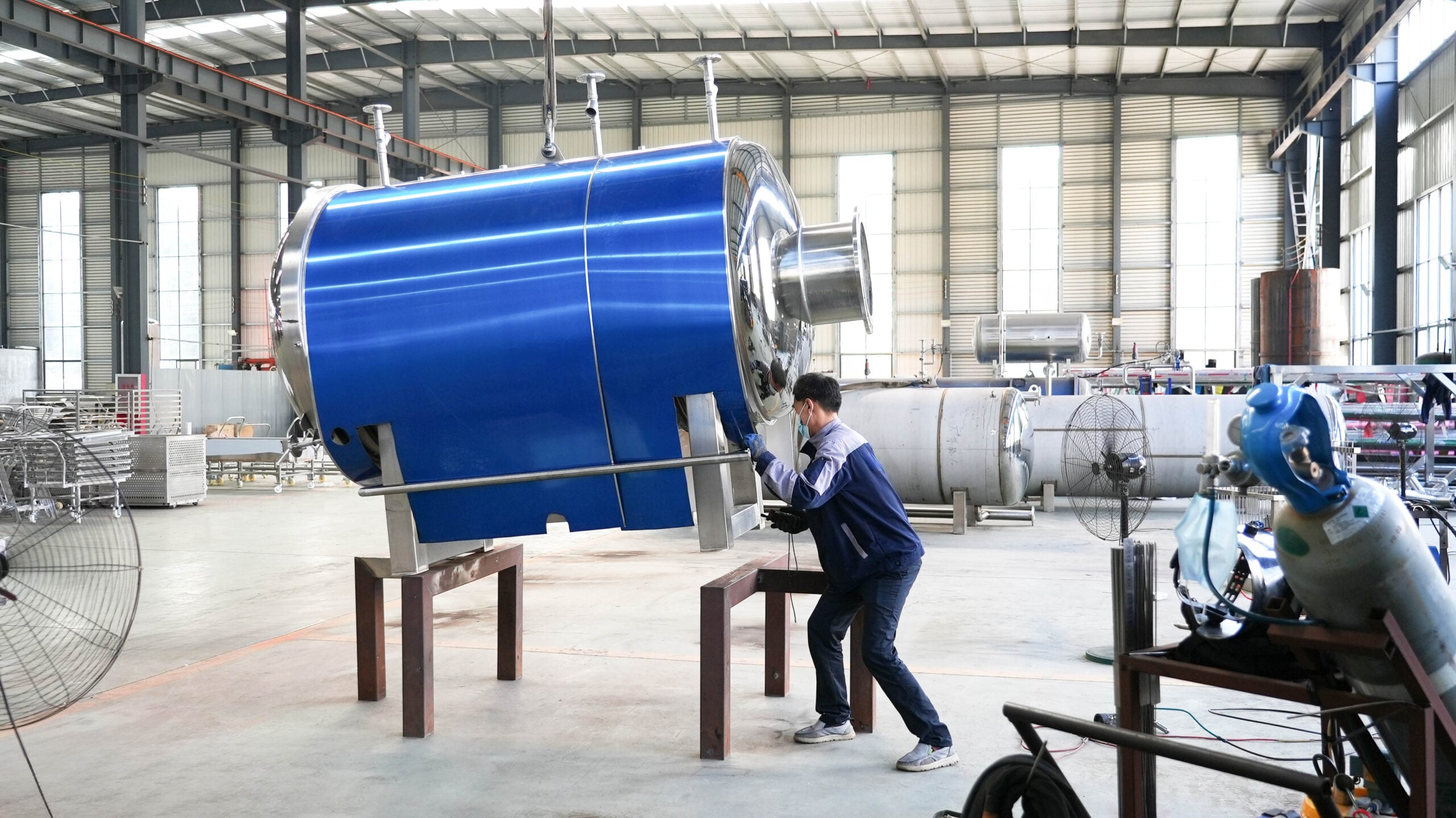
Chamber Structure
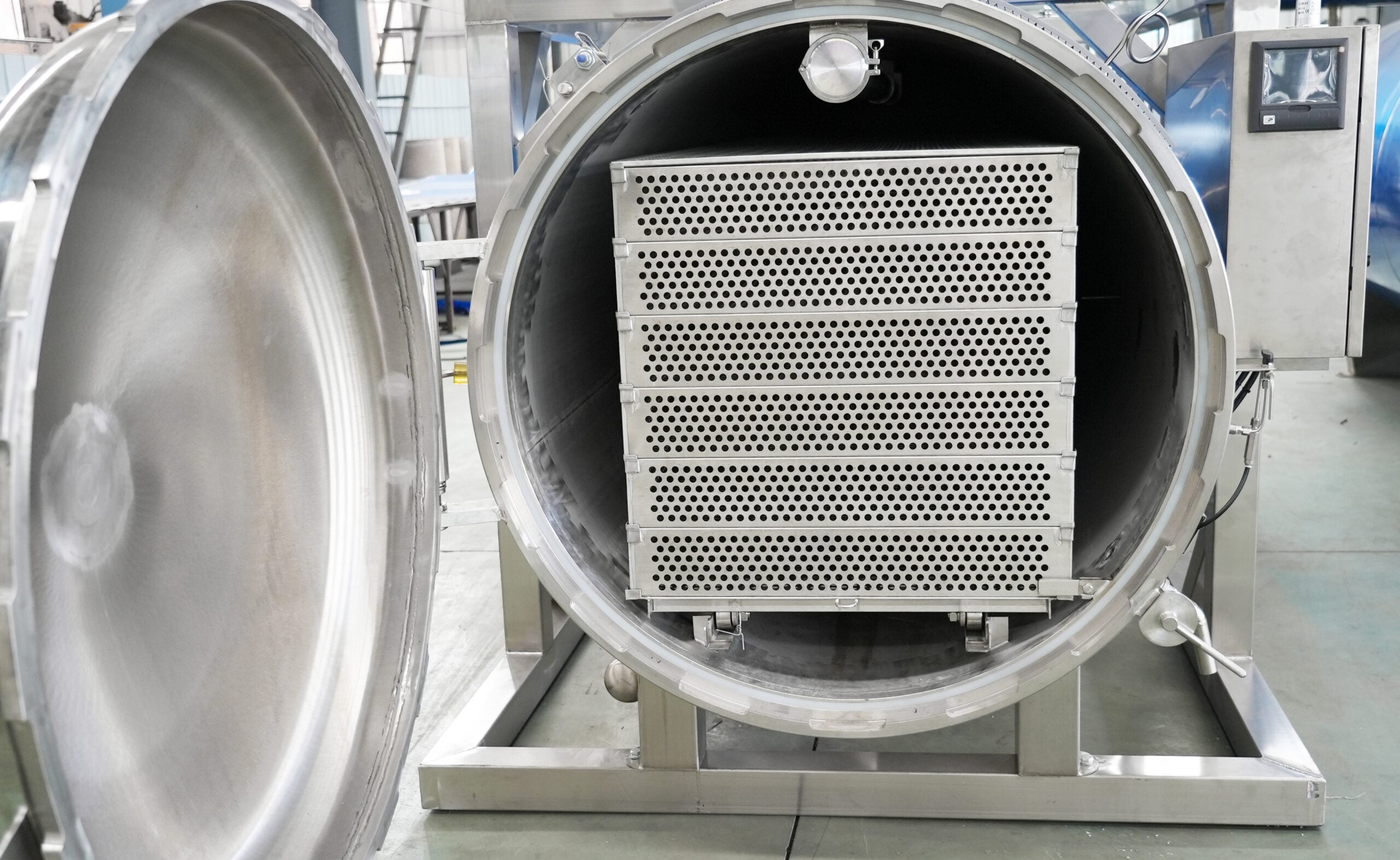
Food Retort Detail
Internal Loading
Vessel Overview
Production Context
Retort System
Retort Machine Trade-Offs & Alternative Paths
A good proposal makes the trade-offs visible before model selection. Each constraint below should lead to a different review path, not a universal product recommendation.4
Situation
Why it works against the project
Alternative path
Flexible package with unresolved pressure limits
Heating and cooling pressure differential can deform or damage the pack.
Engage the package supplier and authority; evaluate supported loading and an overpressure-capable process.
Particulate product damaged by agitation
Faster internal movement may improve heat transfer but harm product integrity.
Compare static and lower-intensity agitation studies with an agreed quality boundary.
Many SKUs with frequent changeovers
A continuous system can lose its utilization advantage when products and containers change often.
Model batch scheduling, recipe control, loading labor and cleaning before choosing batch or continuous flow.
Limited steam or cooling capacity
Utilities can cap batch concurrency and extend recovery between cycles.
Measure simultaneous demand, review recovery/storage concepts and stage the production schedule.
Connected controls without change ownership
Uncontrolled access or updates can affect availability, recipes and record integrity.
Define OT access, approvals, backups, rollback, audit and maintenance windows in the URS.
Food Retort Engineering & Project Planning Tools
01
Food Retort RFQ Readiness Matrix
This tool identifies missing engineering inputs and responsibility questions. It does not select a machine, establish a scheduled process, calculate lethality, issue an F0 value or determine regulatory approval.
02
Retort Batch Requirement Worksheet
Use your own planning assumptions. The arithmetic does not establish a cycle, select a vessel, account for changeover or prove capacity. A qualified processing authority and equipment engineer must review the final product/container process and machine configuration.
03
Retort Project Responsibility & Acceptance Builder
Assign a responsible owner and expected evidence for each project decision. The names below are project roles, not a legal allocation. Put the approved allocation into the URS, quotation and acceptance plan.
Food Retort Machine FAQs
What is the difference between a food retort and an autoclave?
Food-processing literature may use both terms for a closed vessel that thermally processes packaged food. “Food retort” is the clearer buying term because medical and laboratory autoclaves serve different applications and regulatory frameworks.4
Which retort process fits cans, jars, pouches or trays?
Start with the exact product/container combination, closure, orientation, loading pattern, pressure sensitivity and scheduled-process work. Saturated steam, steam-air, water spray, water immersion and rotary configurations each create different engineering and validation questions.
When is a steam retort machine a candidate?
A steam retort enters the candidate set when direct steam heating, container rigidity, air removal, load circulation and the approved venting procedure fit the product and package. The equipment choice still requires product-specific authority review under the applicable regulatory path.
How do water spray and water immersion retorts differ?
Water spray distributes recirculated water through a spray system, while water immersion surrounds the load with process water. Compare circulation, heat-exchanger arrangement, package support, buoyancy, overpressure, water quality, utilities and loading.
When does a product need rotary agitation?
Agitation is evaluated when product movement may improve heat transfer or reduce exposure, but rheology, particulate integrity, headspace, container orientation and closure stress must be studied together. It is not an automatic upgrade for every product.
What causes package deformation during retort processing?
Pressure differential, trapped or residual air, fill and headspace, closure behavior, insufficient support, heating/cooling transitions and package construction can all contribute. That is why packaging questions must be closed before the machine and loading system are frozen.
What production data is needed to size a retort machine?
Provide package dimensions, packs per basket, target packs per hour, expected product mix, total scheduled-process assumptions from your authority, changeover pattern, loading method and available operating hours. Use the linked worksheet for planning arithmetic, then request engineering review.
How are temperature, pressure and recipes controlled?
The control system executes configured recipes, instruments and alarms within the approved equipment scope. For applicable US low-acid foods, 21 CFR Part 113 also makes scheduled-process availability, critical-factor control and production records part of the operating framework.
Who establishes and validates the scheduled process?
Under 21 CFR 113.83, scheduled processes for covered low-acid foods are established by qualified persons with expert thermal-processing knowledge and adequate facilities. The processor selects and operates the process; the equipment supplier provides the contracted machine and control capability.
Can the retort integrate with an existing production line?
Yes, when the project defines equipment states, signals, protocols, material flow, alarm behavior and ownership. Shengtu provides production line integration, multi-protocol gateways and IT/OT digital integration within the agreed interface boundary.
What should be included in a retort machine quotation?
Include the selected configuration, loading equipment, utilities, control scope, interfaces, documentation, FAT/SAT, commissioning boundaries, validation responsibilities, exclusions and commercial terms. The quotation should trace back to the URS rather than rely on a generic catalog description.
How much does a food retort machine cost?
Cost follows vessel and loading configuration, process mode, utilities, controls, automation, documentation, acceptance and integration scope. Send the food, package, throughput, utility and responsibility inputs so the project can be configured before a commercial quotation is prepared.
Applicable certificates and documents are confirmed for the equipment model, configuration and destination country. Company management-system records are reviewed separately from product conformity documents.
![F&V Freeze-Drying Line Process Guide [2026]](https://shengtumachinery.com/wp-content/uploads/2026/09/fv-freeze-drying-line-guide-featured-150x150.png)