Get in touch with Shengtu Bufan Company

Instant Coffee, Tea & Beverage Freeze-Drying Production Line
Shengtu configures an instant coffee production line around your feed material, target powder, expected output range, package, utilities and plant layout. We can plan the downstream chain from concentration and freezing through vacuum freeze drying, packaging and inspection, then define how it connects with your upstream process.
- Choose a full soluble-beverage route or a downstream line receiving prepared extract.
- Test and verify the recipes for coffee, tea, juices, etc., as discrete products.
- Confirm equipment, controls, utilities and acceptance responsibilities before quotation.
- Products
- Instant coffee, freeze dried tea powder and other soluble beverage ingredient concepts.
- Illustrated chain
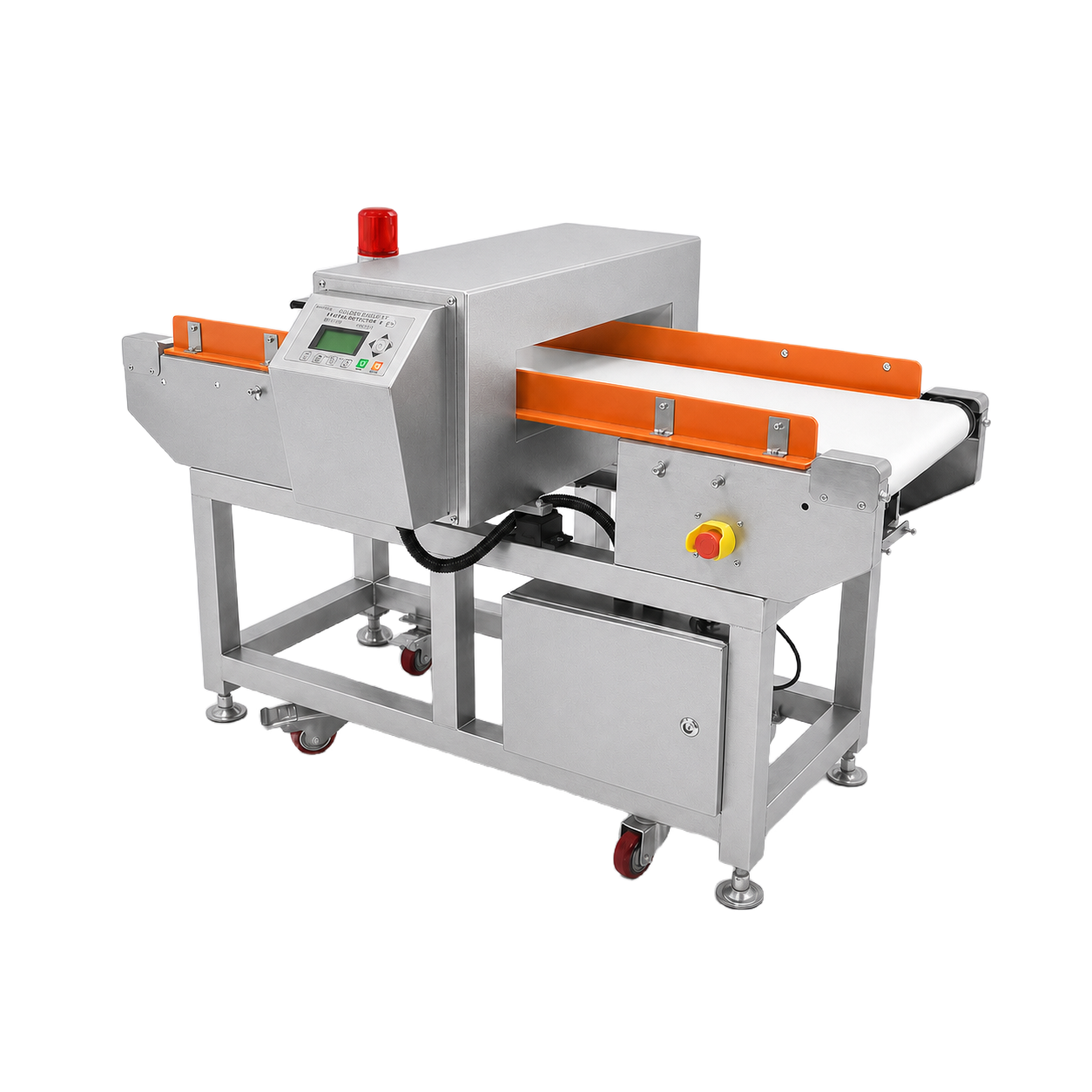
- Grinding, concentration, freezing, freeze drying, packaging and metal detection.
- Configuration basis
- Feed state, output range, operating pattern, package, utilities, layout and expansion plan.
- Project boundary
- Full soluble-beverage processing or a downstream section fed with prepared extract.
Boundary comes first. A full soluble-coffee route needs extraction before concentration, while a downstream instant coffee processing plant may receive liquid coffee extract from an existing or separately supplied system.[2] Leaving that interface undefined creates scope and validation risk.
Configure the Line Around the Product
Product and plant inputs come before a fixed machine list. From that brief, we define where the Shengtu scope begins, where it ends and which interfaces must be owned by the customer or another supplier.
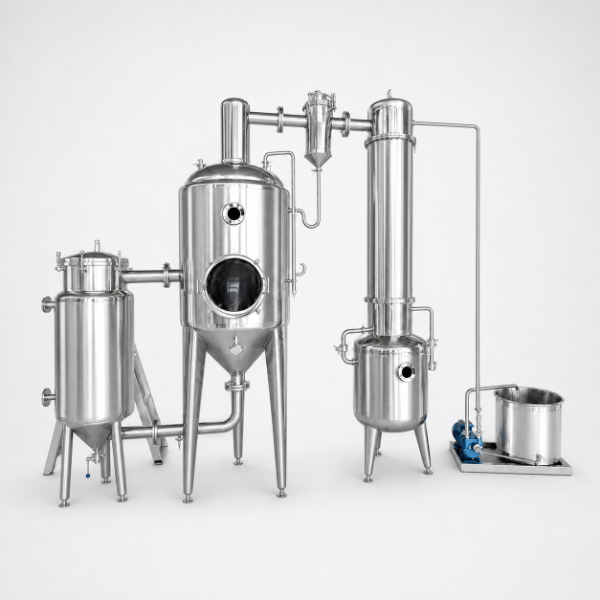
Our review covers coffee, tea or beverage feed state, concentrate condition, target moisture, coffee powder or granule form, aroma priorities, solubility and sensory acceptance.
- Raw material or prepared extract
- Recipe and solids range
- Product-specific acceptance checks
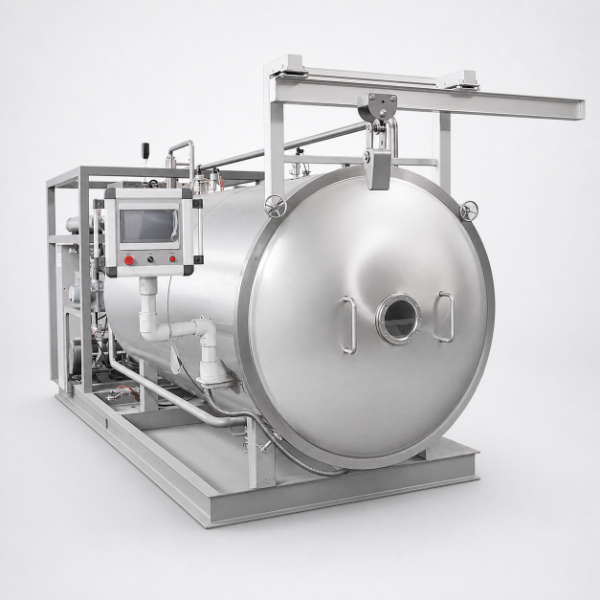
Throughput isn’t comparable until feed solids, water-removal load, batch time, annual utilization and product recipe are defined. Those inputs shape the production equipment and control architecture we propose.
- Batch or continuous preference
- Changeover frequency
- Annual operating assumptions
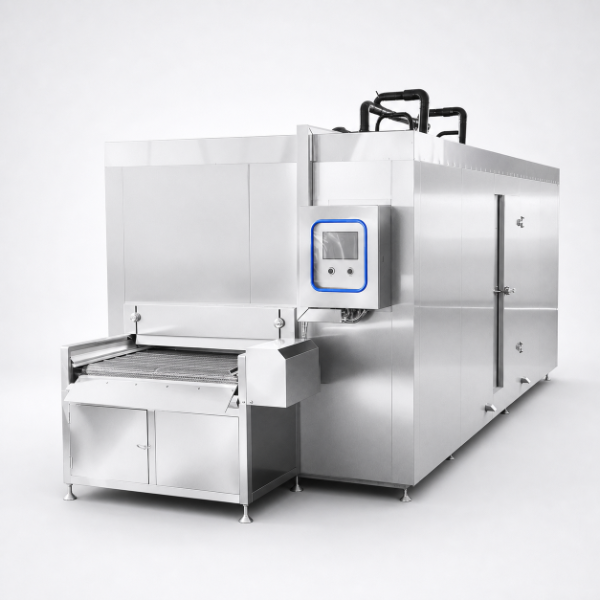
Packaging, inspection, coding and material-handling interfaces are coordinated with the drying process. Our design review doesn’t treat the industrial freeze dryer as an isolated unit.
- Package format and barrier needs
- Inspection and reject logic
- Upstream and downstream signals
The production process can start with roasted beans or a qualified extract. For each route, we define extraction, concentration, freezing and freeze dryer interfaces around the required aroma preservation and soluble-coffee format.
Green tea, black tea and other tea leaves bring different extraction, colour, flavour and marker-compound targets. For multi-product projects, our validation plan assigns separate coffee and tea acceptance records instead of transferring one recipe.
Other beverage concepts require a feed and stability review before equipment selection. If colour, flavour or nutrient preservation matters, the acceptance method must measure that target rather than assume freeze drying will preserve it.
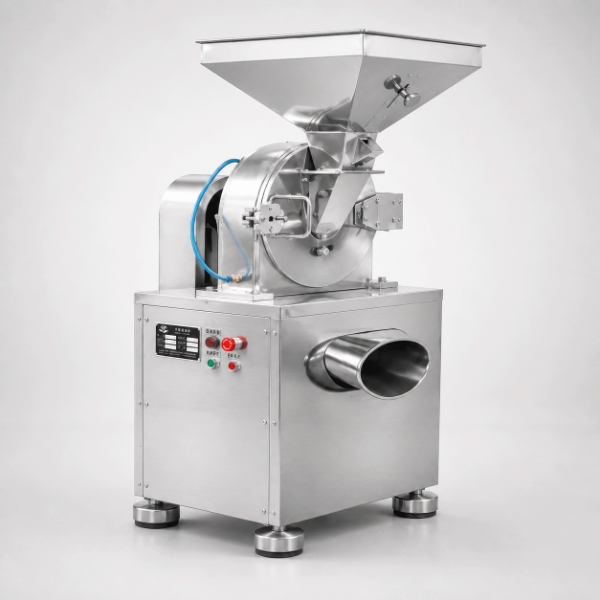
Route A starts from coffee beans, roasted coffee, tea material or another defined raw input. Grinding and extraction precede separation and concentration; roasting, aroma handling, blending or filling are included only when confirmed in the written supply scope.
Route B begins with prepared coffee extract, tea extract or another qualified liquid feed. Concentration, freezing, freeze drying, particle handling, packaging and inspection are configured around the supplied feed and finished-product brief.
Buyer advisory
A quotation can say “complete line” while leaving extraction, clarification, concentration, aroma handling or packaging outside the boundary. Shengtu engineers the scope around 2 route definitions because a full route and a prepared-extract route are not interchangeable; unlike a catalogue-only selection, this makes the trade-off and scope risk visible. That boundary is also needed before the FDA preventive-controls framework in 21 CFR Part 117 can be mapped to equipment, facility and operating responsibilities.
| Boundary class | Examples | Project decision |
|---|---|---|
| Illustrated stages | Grinding, concentration, freezing, vacuum freeze drying, packaging, metal detection | Confirm models, duty and interfaces. |
| Full-route stages | Roasting as applicable, extraction, separation, aroma handling, blending or filling | Confirm process need and supplier responsibility. |
| Plant-side interfaces | Utilities, building works, storage, existing machines, material handling and plant systems | Assign owner, data and acceptance point. |
Process Flow and Product Control Points
Full route: roasting as applicable → grinding → extraction → separation → concentration → freezing → freeze drying → packaging and inspection.[2]
Downstream route: prepared extract → concentration → freezing → freeze drying → packaging and inspection.
Grinding prepares roasted material for a controlled brew and extraction step; it isn’t a direct shortcut from ground coffee to coffee concentrate. Particle size, residence time and the chosen extraction method affect what the downstream line receives.
- Define raw material and roast condition.
- Specify the extraction equipment or existing interface.
- Agree how coffee grounds and recovered solids are handled.
A full instant coffee process extracts soluble material from the prepared coffee, then clarifies the brewed coffee before evaporation or another concentration step. Before freeze drying, the liquid coffee extract must be characterized.
- Confirm feed solids, viscosity and clarification need.
- Define heating exposure and flavour and aroma priorities.
- Assign separation, concentration and aroma-handling scope.
Concentrated coffee or tea feed is frozen before sublimation. Freezing conditions, product depth and loading pattern influence ice structure and the path available for water vapour during the drying process.
- Record tray, slab or other product presentation.
- Set product-specific freezing and loading trials.
- Keep coffee and tea recipes in separate validation records.
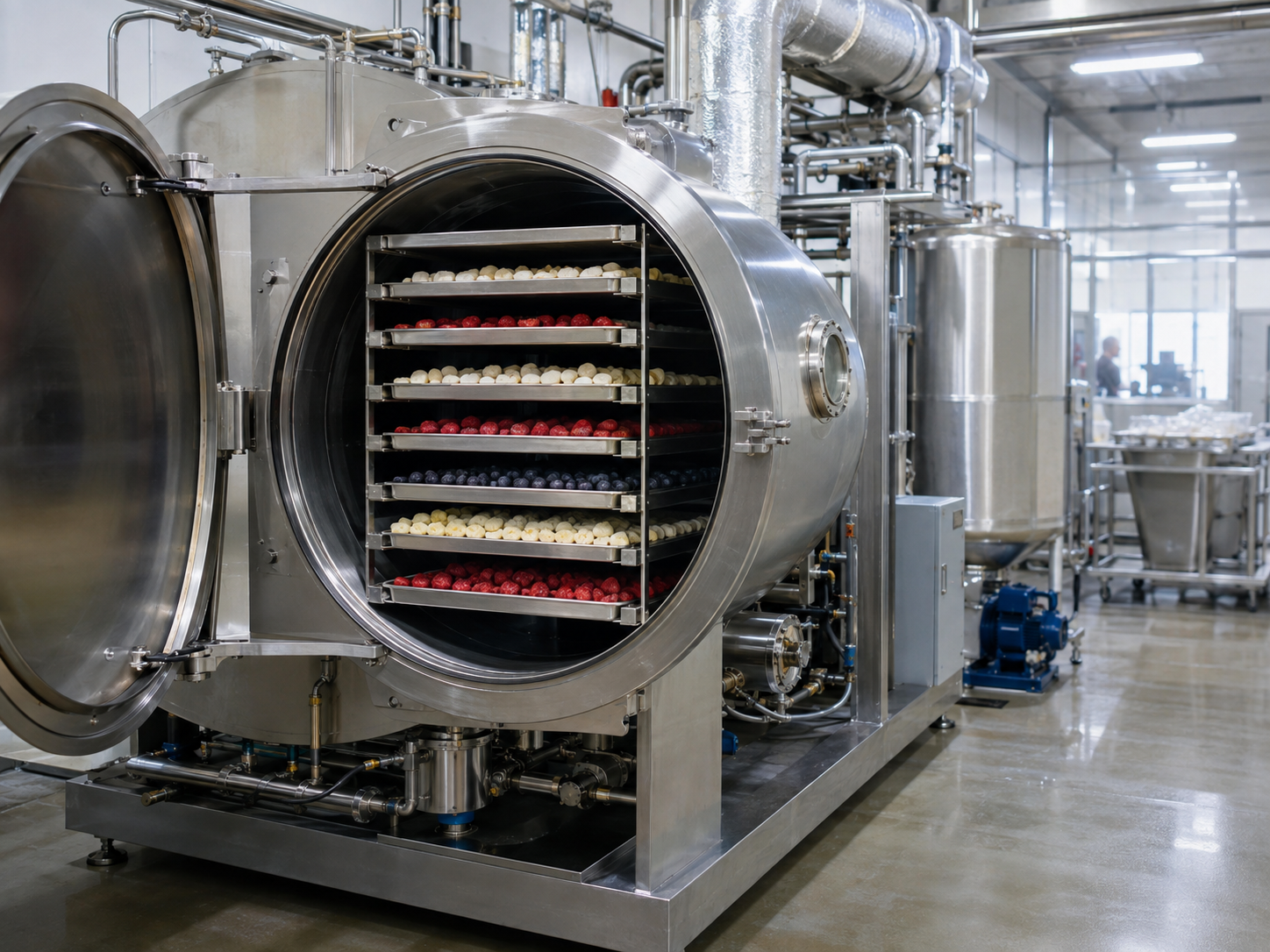
4. Vacuum freeze drying
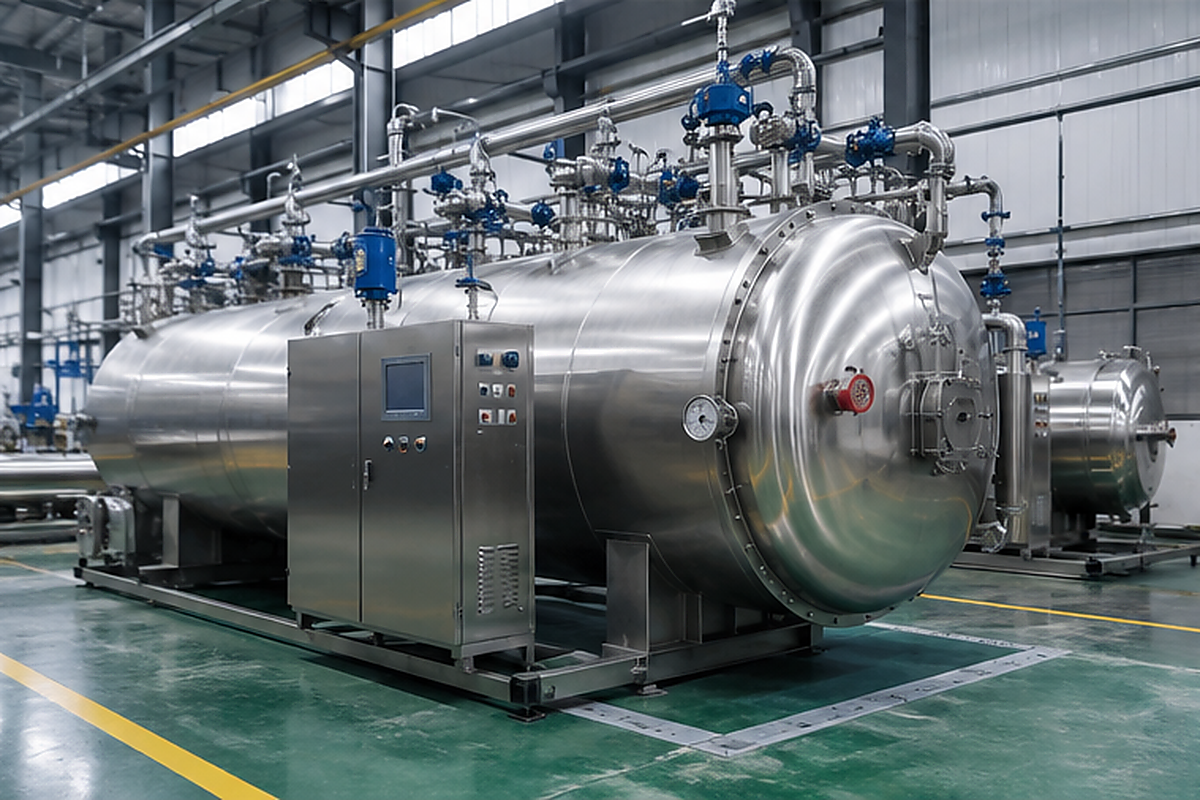
Industrial freeze drying equipment removes ice by sublimation under controlled chamber conditions. Chamber configuration, condenser duty, vacuum pump selection, product load and recipe determine the practical cycle; the page doesn’t assign a universal capacity, vacuum, temperature or drying time.
- Define the load and target end point.
- Plan freeze dryer recipe development and alarm handling.
- Review vacuum pump access, cleanability and batch records.
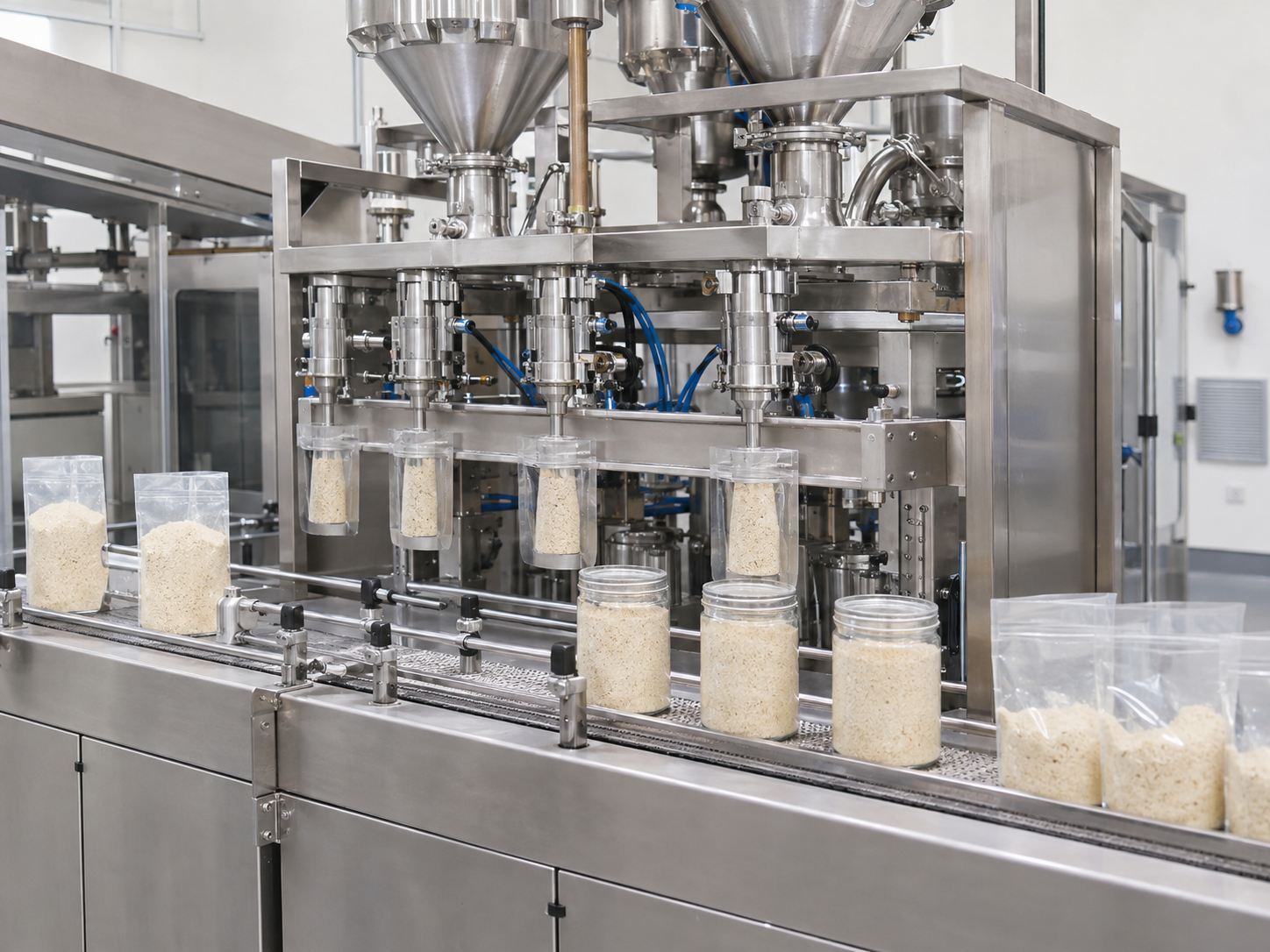
5. Particle handling and packaging
Freeze-drying can retain aroma yet still leave oxidation, moisture pickup, caking or storage-quality risk downstream. Packaging material, seal strategy, transfer exposure and package format therefore belong in the product-quality plan.
- Confirm powder, granule or agglomeration requirement.
- Match sachet, pouch, jar or bulk filling speed to the upstream release pattern.
- Set coding, checkweighing and handling responsibilities.
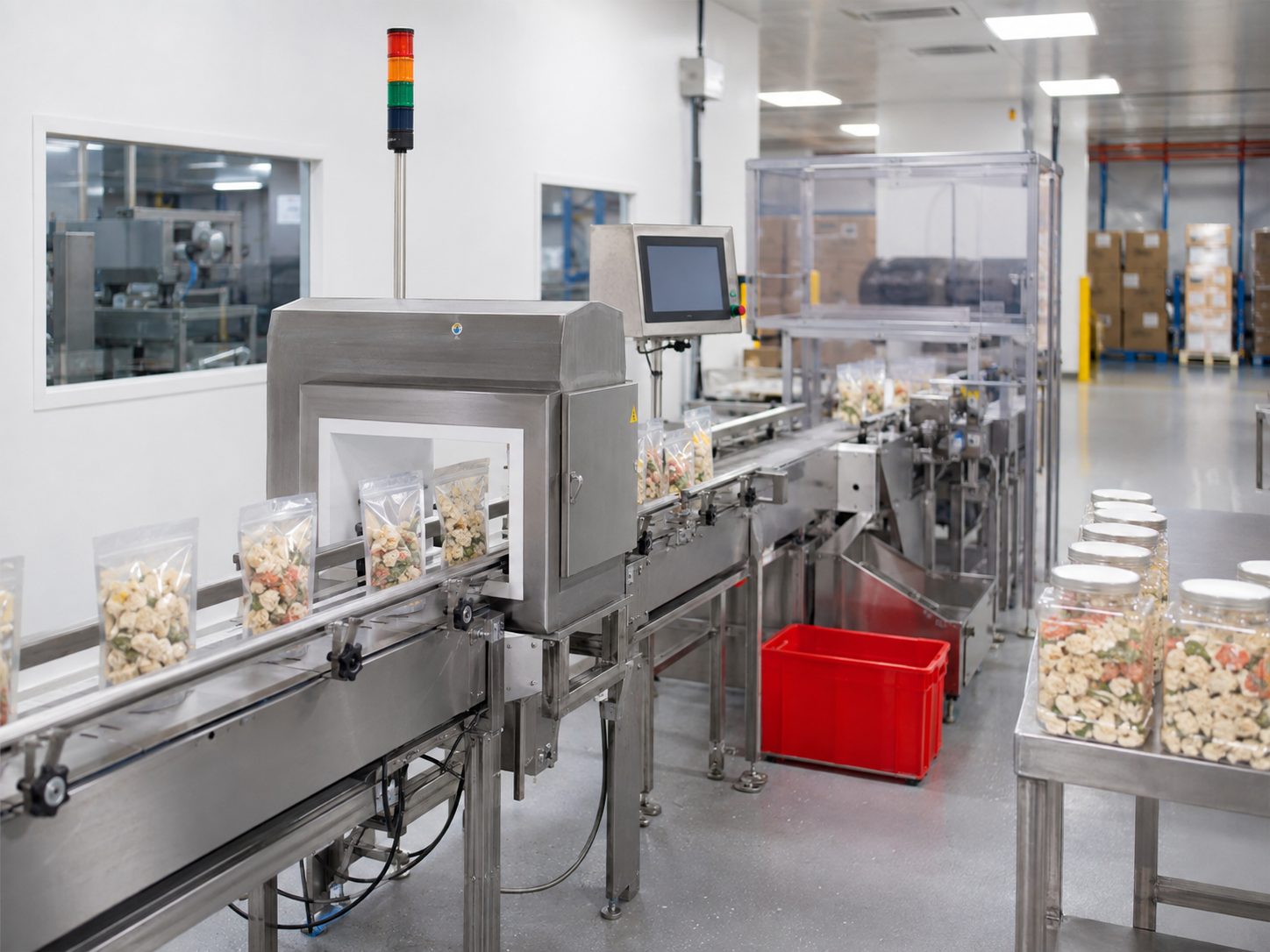
6. Inspection and release
Metal detection and other end-of-line checks are planned around the package and the customer’s hazard analysis. Detection sensitivity, test pieces, rejection logic and release records are acceptance inputs, not assumed values.
- Define inspection points and reject confirmation.
- Document test frequency and record ownership.
- Connect release status to packaging and warehouse flow.
Equipment Configuration Matrix
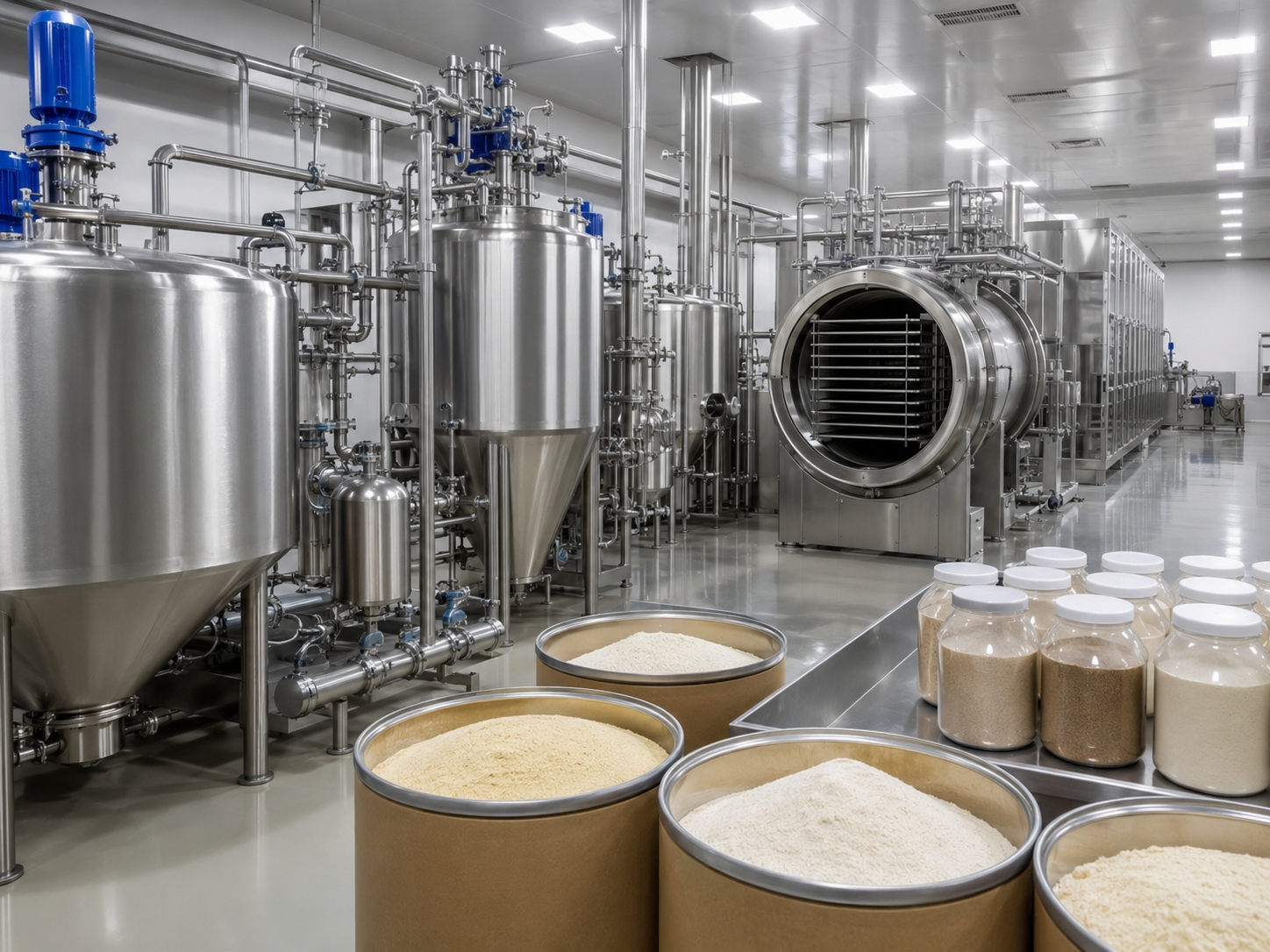
There’s a coffee freeze drying machine contained within a larger process and utility system.[2] The matrix below separates process need from confirmed supply so that the buyer can compare an integrated line with a single standalone industrial vacuum freeze-dryer purchase.
As a food-machinery manufacturer, Shengtu qualifies the full process boundary before selecting a freeze dryer. Buyers searching for a commercial freeze dryer can use the same review to determine whether they need one chamber or a connected production line.
| Module | Processing job | Route status | Selection inputs | Interface to confirm |
|---|---|---|---|---|
| Roasting | Develop the roasted coffee profile. | Full route, as applicable; supply unconfirmed | Bean, roast profile, batch pattern | Roaster discharge and aroma handling |
| Grinding | Prepare material for extraction. | Illustrated; scope to confirm | Roast state, grind target, feed method | Extraction feed and dust control |
| Extraction and separation | Produce and clarify soluble extract. | Required for a full route; supply unconfirmed | Product, extraction method, solids recovery | Ground feed, clarified extract, spent grounds |
| Concentration | Raise extract solids before freezing. | Illustrated; scope to confirm | Feed solids, viscosity, aroma priority | Upstream clarifier and freezing section |
| Freezing | Prepare frozen product for sublimation. | Illustrated; scope to confirm | Product depth, loading, recipe | Concentrate feed and dryer loading |
| Vacuum freeze dryer | Remove ice through sublimation. | Core downstream module | Load, target end point, cleaning, batch record | Refrigeration, vacuum, condenser and utilities |
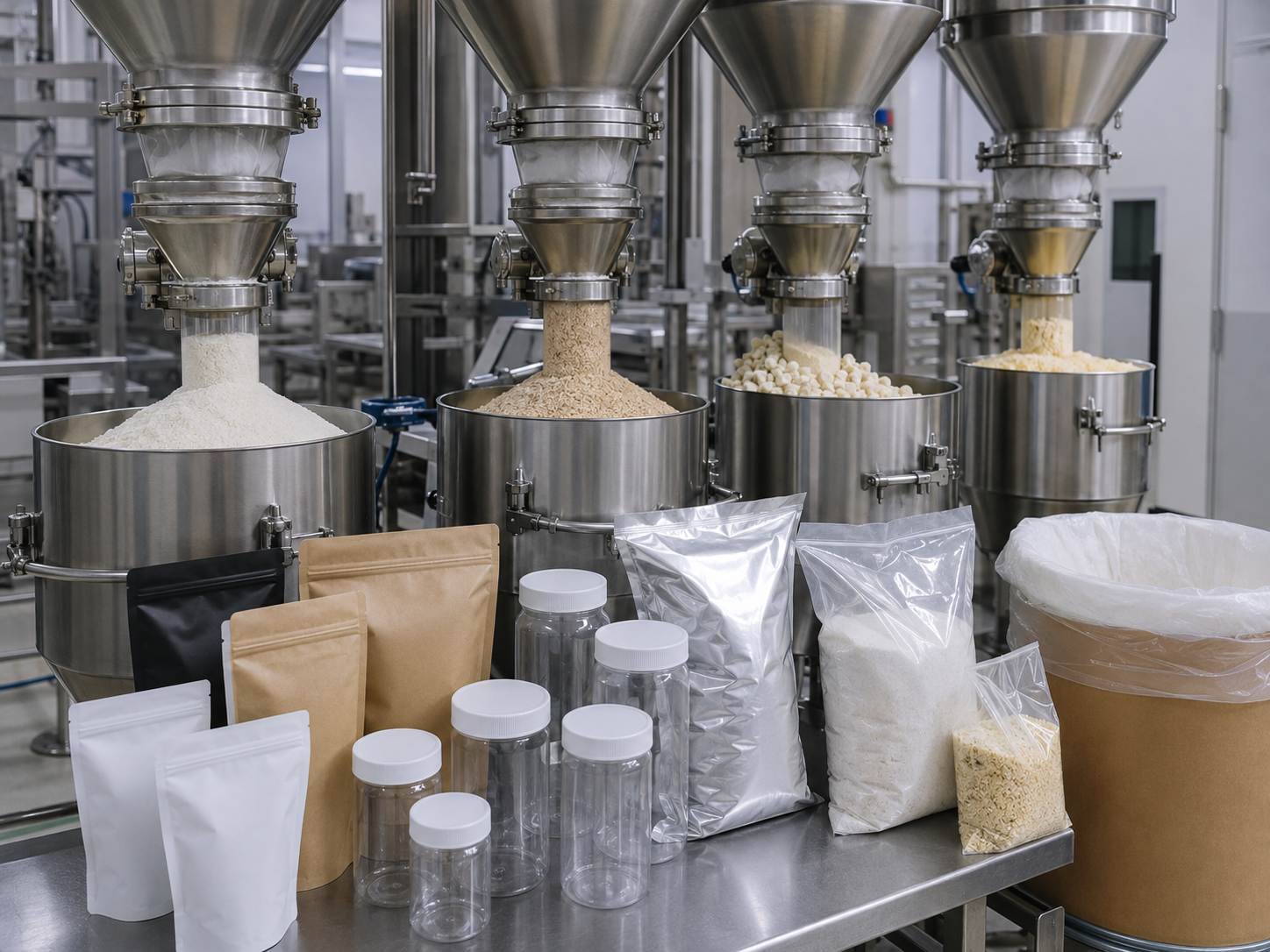
| Particle handling and packaging | Prepare and protect the finished instant coffee powder. | Illustrated; format-dependent | Granule, sachet or bulk format, barrier need | Dry-room condition, coding and warehouse flow |
| Metal detection | Support end-of-line contamination control. | Illustrated; hazard-plan dependent | Package, product effect, test method | Reject logic and release records |
Product data
Send ingredient, extract condition, target form, sensory priorities and any existing laboratory or pilot records.
Plant data
Send a layout, utility conditions, environmental limits, existing equipment list and material-flow constraints.
Commercial data
State destination, desired boundary, documentation needs, service scope and the acceptance process your team requires.
From Machines to an Upgradeable Digital Line
In-house hardware production supports deeper coordination between equipment and controls. Our STUnit platform, low-code control boxes, multi-protocol gateways, standalone over-the-air upgrade capability, YOLO vision and edge algorithms are evaluated against the project’s operating and risk requirements.
| Specification Parameter | Requirement / Value | Context & Operational Notes |
|---|---|---|
| Planning fact | Confirmed basis | – |
| Commitment boundary | Process-route options | – |
| 2 route boundaries | Full route or prepared-extract downstream route | – |
| Illustrated equipment stages | 6 stage images | – |
| Final module list | follows written scope | – |
| Product validation tracks | 2 separate tracks | Our plan keeps coffee and tea acceptance records separate |
| Food-safety design input | 21 CFR Part 117 | Applicable requirements depend on destination and facility |
| Manufacturing control reference | NIST SP 1800-10[4] | Used as a risk-planning reference, not a security certification |
| Research and development portfolio | 100+ projects | Company-supplied organizational fact |
| Software portfolio | 100+ software copyrights | Company-supplied organizational fact |
| Patent portfolio | 7 patents | Company-supplied organizational fact |
Control coordination
STUnit supports the equipment coordination and upgrade planning we provide. Exact functions, user roles, data points and operator workflows are confirmed in the control scope.
STUnit SystemPlant connectivity
Multi-protocol gateway capability is available for defined devices and systems. Before committing to an interface, we confirm protocol, tag list, data ownership, network boundary and availability.
Gateway ProtocolVision and edge processing
YOLO vision and edge algorithms can be evaluated for a defined inspection task. In every assessment, we require a sample set, lighting plan, reject logic and written acceptance metric.
YOLO Vision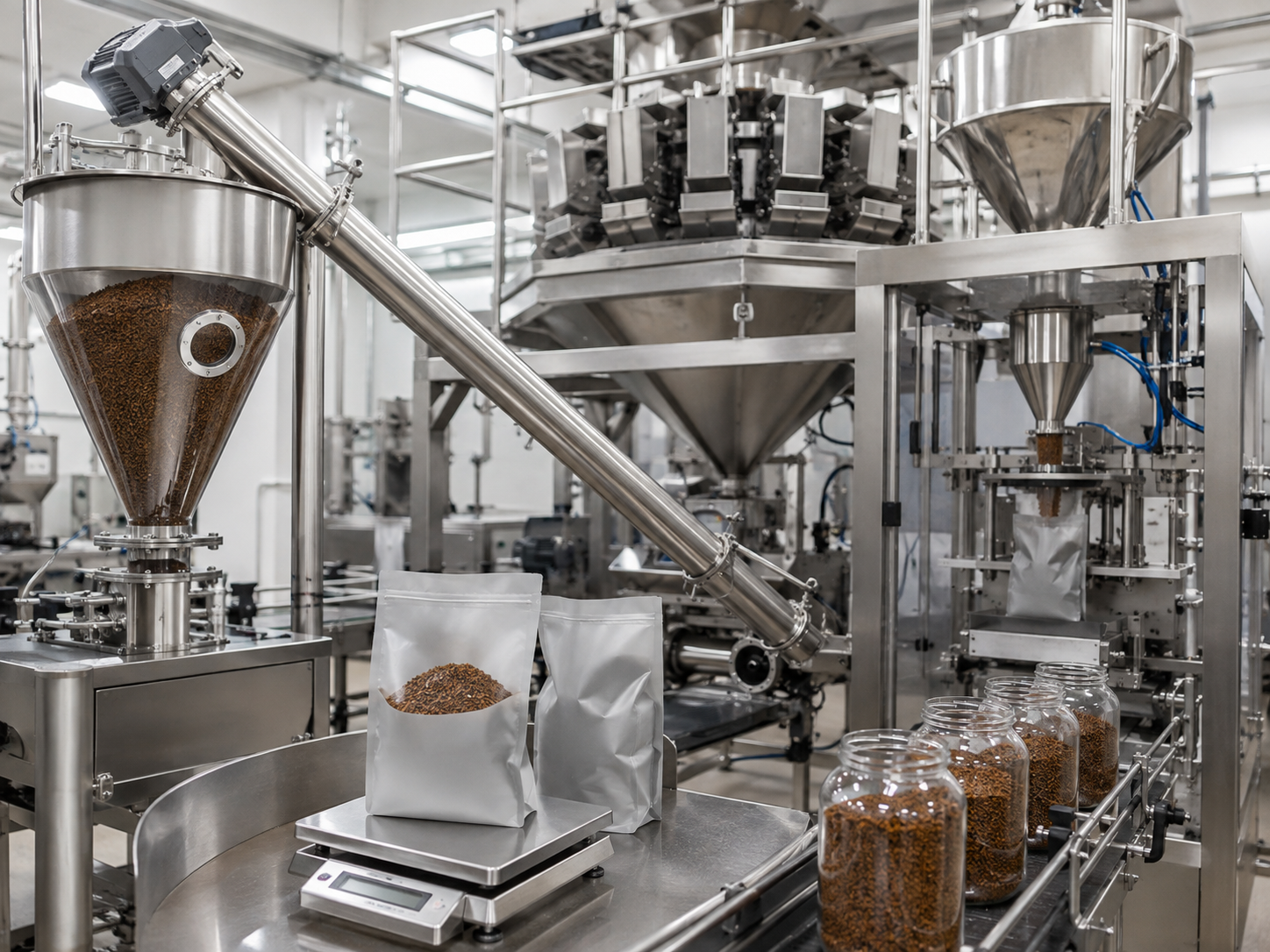
Risk-led connected-control checklist
- Inventory assets, users and information flows before connecting the line.
- Separate production zones and define authenticated, authorized access.
- Approve upgrades through a controlled maintenance window with backup and rollback.
- Record software changes, alarms, access events and recovery evidence.
- Review availability, machine safety and a safe operating state when communication is lost.
Information-technology and operational-technology integration links business data systems with the controls that operate physical equipment. Remote service and OTA reduce travel only when authentication, authorization, change approval, backup, rollback and recovery are designed into the project; an upgrade path is not a substitute for access control.
Request a Digital Interface ReviewPrice, Lead Time and Life-Cycle Cost Inputs
Price follows the line boundary, product trials, output range, process equipment, automation, package, utilities, layout, documentation, commissioning scope and destination. After these inputs are reviewed, our team issues a project-specific proposal rather than a universal price band or delivery promise.
Process scope
Raw material, prepared extract, included stages, batch pattern and expansion plan.
Product proof
Trial material, target moisture, aroma, solubility, sensory and package acceptance.
Factory fit
Utilities, floor plan, environmental conditions, existing machines and material flow.
Delivery scope
Destination, documentation, training, integration, commissioning and acceptance responsibilities.
A buyer-input calculation framework
| Cost input | Buyer data | Why it changes the comparison |
|---|---|---|
| Equipment and installation | Confirmed modules, site work and integration boundary | Separates machine purchase from whole-plant project cost. |
| Energy and utilities | Site tariffs, connected loads and operating schedule | A local tariff is more useful than a generic national figure. |
| Labor and changeover | Shift plan, product count, cleaning and material handling | Shows the operational effect of product variety. |
| Maintenance and service | Spare strategy, access, skills and planned downtime | Captures ownership cost beyond acquisition. |
| Yield and quality loss | Measured trial results and written acceptance criteria | Prevents assumed yield from becoming a false return claim. |
| Service life and disposal | Company finance assumptions | Completes the life-cycle comparison on the buyer’s terms. |
Quality Planning and Supplier Evaluation
Shandong Shengtu Bufan Intelligent Technology Co., Ltd. develops and manufactures food machinery and provides whole-plant digital solutions from Weifang. Across the wider portfolio, we build custom retorts and smart packaging equipment; each beverage-line module still follows the written project scope.
Research and development
Our company reports more than 100 research and development projects. The count is organizational evidence, not a promise of a particular line result.
Software development
Our company reports more than 100 software copyrights. For every project, we still define the actual software, data and upgrade scope.
Patents
Our company reports 7 patents. Patent count doesn’t replace product trials, factory acceptance or site acceptance.
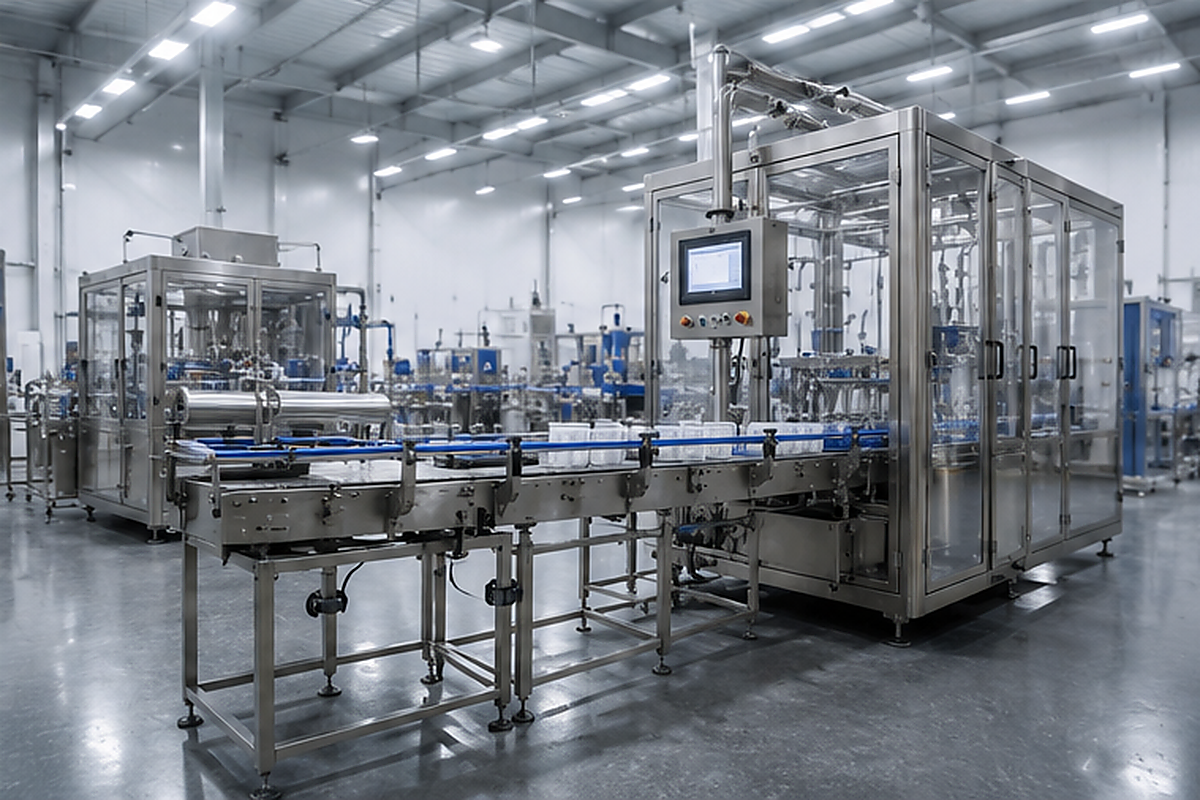
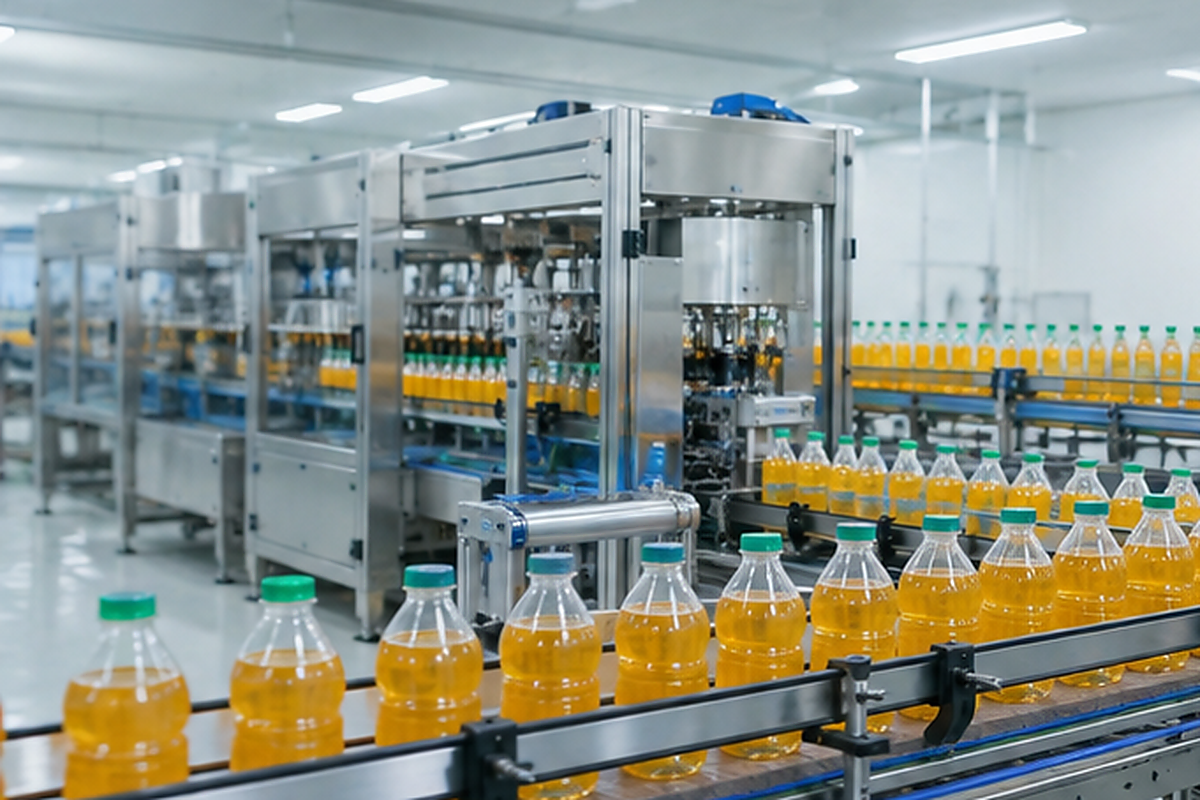
Food-contact and validation inputs
- Product-contact material requirements
- Cleanability and cleaning method
- Allergen and cross-contact profile
- Contamination controls and hazard analysis
- Monitoring points and instrument calibration
- Coffee-specific recipe and sensory checks
- Tea-specific recipe and marker checks
- Moisture, solubility and package acceptance
- Factory and site acceptance records
- Training, change control and document handover
Compliance and Regulations
For a facility subject to U.S. food requirements, 21 CFR Part 117 is a design input for hazard-based controls and records.[1] The project team must determine applicable law, market requirements and validation evidence; the equipment page does not declare a customer’s plant compliant.
How We Work: Project Execution Path
-
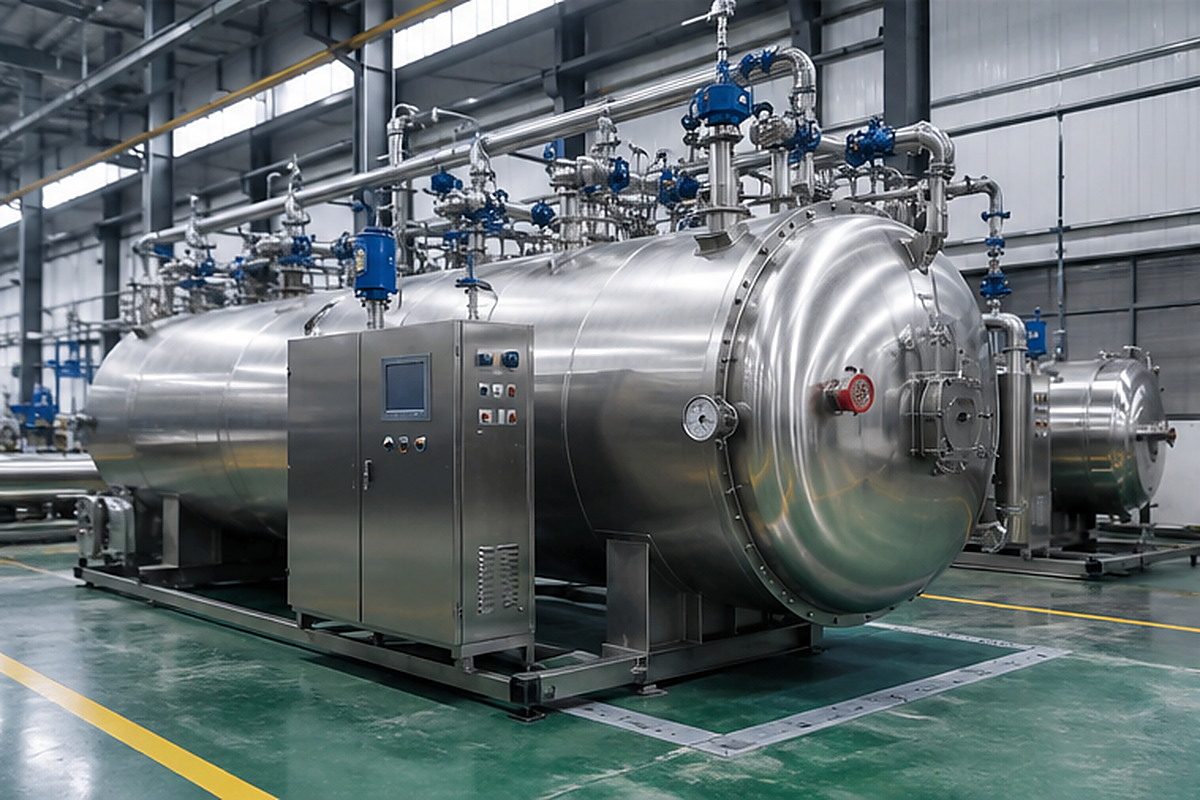
01
Submit the product and plant brief.
Tell us the feed state, target form, expected output range, package, utilities, layout, destination and existing equipment.
-
02
Confirm the route and supply boundary.
We separate a full soluble-beverage process from a downstream line receiving prepared extract, then assign each interface.
-
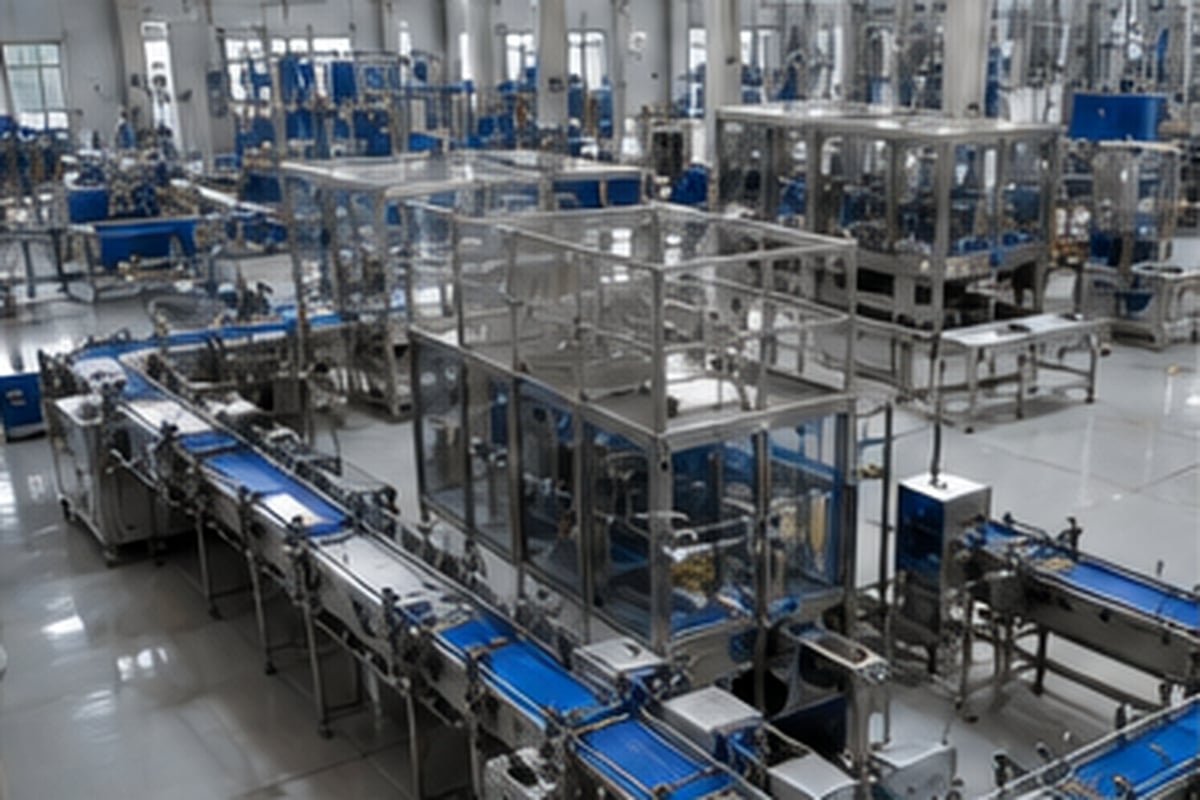
03
Review process and risk inputs.
We examine recipe, quality targets, cleaning, hazards, layout, utilities, controls, remote access and future expansion.
-
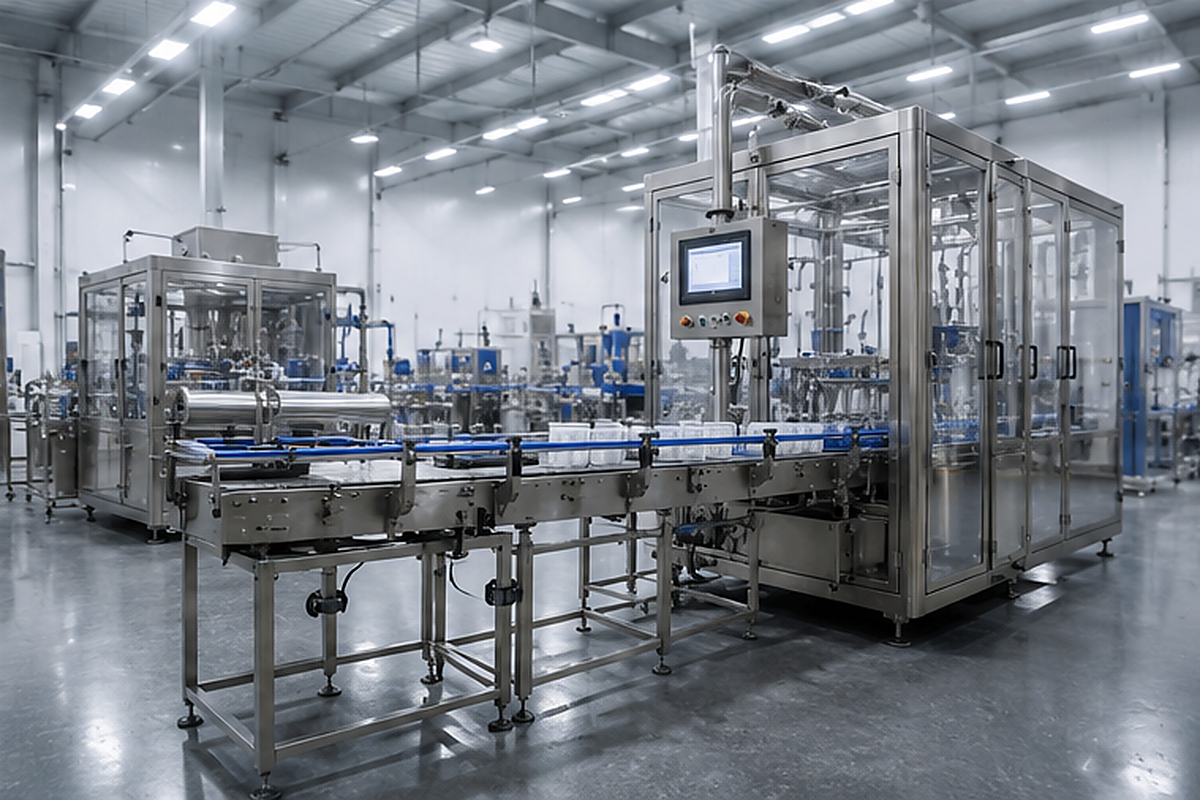
04
Write the technical and commercial proposal.
The document identifies included equipment, exclusions, assumptions, validation responsibilities and required records.
-
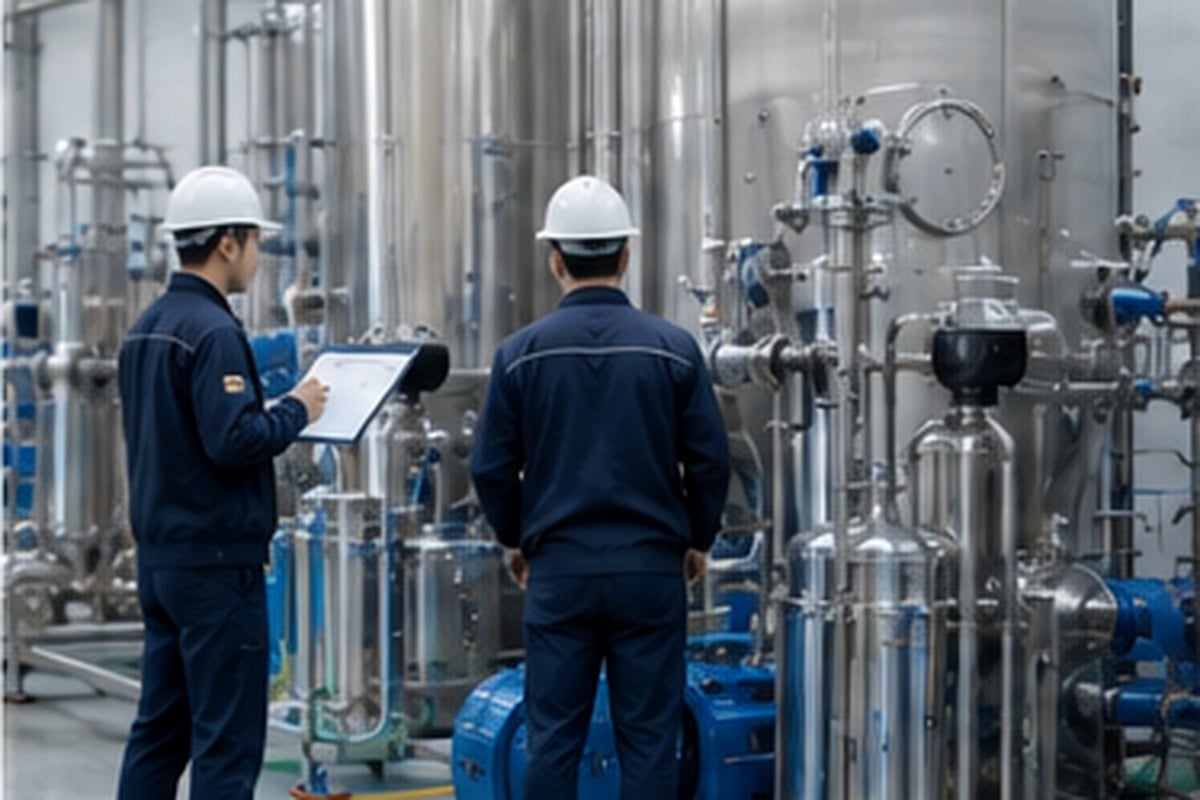
05
Define execution and acceptance.
Manufacturing, integration, factory acceptance, site acceptance, calibration, training, change control and punch-list closure are agreed for the project.
Responsibility split
| Workstream | Shengtu role | Buyer or partner role |
|---|---|---|
| Product definition | Translate the brief into process and equipment questions. | Supply representative material and acceptance targets. |
| Line integration | Define supplied machines, controls and owned interfaces. | Confirm existing assets, utilities, building work and third-party systems. |
| Validation | Support the agreed trial and acceptance plan. | Approve product, regulatory and facility-specific criteria. |
| Digital change | Configure approved access, backup, rollback and records. | Approve network policy, users, maintenance windows and data ownership. |
Scheduling, warranty, payment, training and acceptance terms only commit both parties once they’re established in an agreed proposal or contract. That keeps the engineering plan, commercial agreement and test conditions aligned.
How We Work: Engineering Capability Behind the Line
Alternative solution configuration illustration; not a customer installation photograph.
Integrated development
Food-machinery research and development, manufacturing, self-produced hardware and whole-plant digital planning sit within one company. This lets our team examine the machine layer, the controls layer and the future upgrade path in one project conversation.
Food-machinery research and development, manufacturing, self-produced hardware and whole-plant digital planning sit within one company. This lets our team examine the machine layer, the controls layer and the future upgrade path in one project conversation.
Process Planning
The equipment renders on this page explain process planning. The buyer should evaluate the final proposal, drawings, test plan and acceptance records rather than treat an illustration or portfolio count as performance proof.
Review the Coffee or Tea Validation Checklist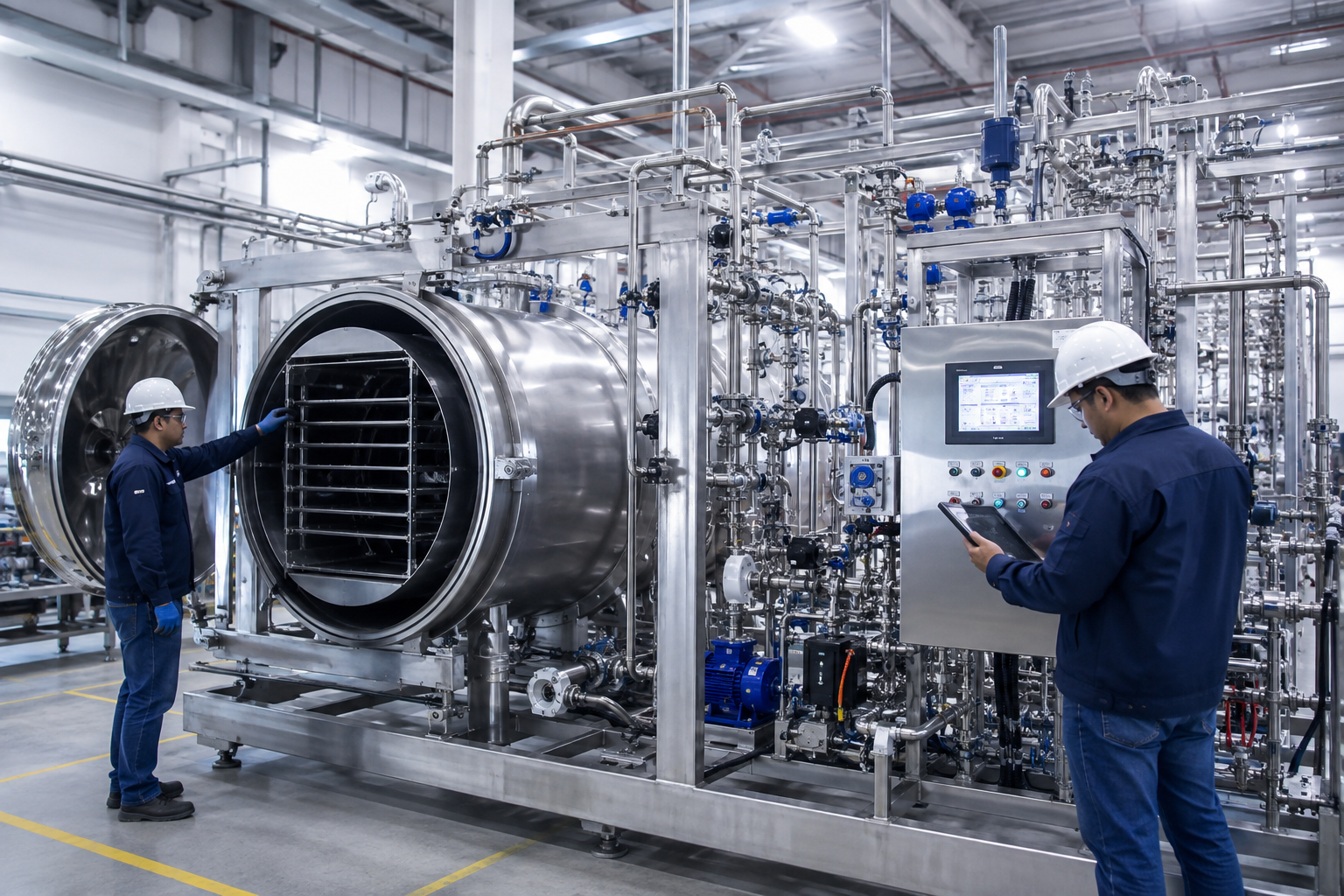
- Our legal entity is Shandong Shengtu Bufan Intelligent Technology Co., Ltd.
- Our company is a high-tech enterprise in Weifang.
- Our scope covers food machinery R&D, manufacturing, and whole-plant digital solutions.
- Our portfolio includes 100+ R&D projects, 100+ software copyrights and 7 patents.
- We build custom retorts and smart packaging equipment.
- We use self-produced hardware for deep integration.
- Our research and development uses the STUnit platform.
- We support standalone OTA upgrades.
- We provide line integration and smart factory planning.
- We develop low-code control boxes and multi-protocol gateways.
- We apply YOLO vision and edge algorithms to qualified tasks.
Get a Better Starting Point When This Solution Does Not Fit
Starting with an unqualified machine choice creates process, utility and acceptance risk. The wrong choice is a generic unit selected before the product and boundary; the right call is the narrowest qualified scope that solves the job.
Situation
Household or hobby purchase
Why it conflicts with the project model
The line is planned for industrial food production and plant integration.
Better next step
Use a consumer or laboratory-equipment channel.
Situation
Generic unit with no process review
Why it conflicts with the project model
Feed condition, freezing, drying and packaging interfaces determine whether the equipment can be specified responsibly.
Better next step
Start with a product and boundary review, even if the eventual scope is one machine.
Situation
Guaranteed values before qualification
Why it conflicts with the project model
Output, cycle, utility, yield, price and schedule depend on product, configuration and site inputs.
Better next step
Submit representative product data and plant constraints for a written proposal.
FD Coffee & Tea Beverage Line Engineering Tools
-
Line Boundary Selector
Define precise project scopes, integration points, and operational boundaries for your FD coffee and beverage production lines.
Access Line Boundary Selector -
Production Line Brief Builder
Configure key equipment parameters, output requirements, and technical specifications to generate a comprehensive project brief.
Access Production Line Brief Builder -
Coffee and Tea Validation Checklist
Ensure compliance, process safety, and quality control at every stage of your beverage freeze-drying facility construction.
Access Validation Checklist
Applicable certificates and documents are confirmed for the equipment model, configuration and destination country. Company management-system records are reviewed separately from product conformity documents.
FAQ: Production Line Questions
Can one line handle coffee, tea and other beverage ingredients?
One mechanical platform may be configured for more than one product, but we don’t transfer an acceptance recipe automatically from coffee to tea. For each product family, our project plan separates feed characterization, extraction or prepared-extract conditions, freezing, drying, cleaning, sensory checks and release criteria.
- Confirm each feed and target form.
- Run product-specific trials.
- Document changeover and cross-contact controls.
Which stages are included in the proposed line?
The proposal can follow 2 boundaries: a full soluble-beverage route or a downstream freeze-drying route. A full coffee route includes extraction before concentration; a downstream route can begin with prepared extract.
- The six illustrated stages are planning references.
- The written proposal defines each machine, exclusion and plant-side interface.
How do you choose between batch and continuous processing?
Selection follows expected output, product variety, changeover, cleaning, recipe control, maintenance and expansion needs. Before recommending a production pattern, we evaluate coffee and tea separately because one validated condition isn’t always transferable to another extract.
What information is needed to configure an instant coffee production line?
Start with at least 8 input groups: feed state, target product, expected output range, operating pattern, package, utilities, layout, and destination. Existing roasting, extraction, concentration or packaging equipment should be listed so the boundary is clear.
Can the line connect to existing roasting, extraction or packaging equipment?
Yes, connection can be evaluated when the mechanical, electrical, control and data interfaces are documented. Before commitment, our team need device lists, signal ownership, permitted protocols, material-transfer conditions and acceptance responsibility.
How are automation, gateways, vision and future upgrades planned?
STUnit, control boxes, gateways, vision and edge functions are mapped to the operating task, followed by access, segmentation, authorization, backup, rollback, logging and safe-state requirements. NIST SP 1800-10 is one manufacturing control-system reference we use to structure risk questions; it isn’t a certification of a specific project.
What determines price and delivery schedule?
The figure and schedule follow the route boundary, trials, output, automation, packaging, utilities, layout, documentation, service scope and destination. We produce the commercial answer after those inputs are stable rather than apply one generic price or lead time.
What happens before commissioning and acceptance?
The parties define factory acceptance and site acceptance, product-specific trials, calibration, document handover, training, change control and punch-list closure. When both products are in scope, our project plan uses 2 separate validation tracks for coffee and tea.
![F&V Freeze-Drying Line Process Guide [2026]](https://shengtumachinery.com/wp-content/uploads/2026/09/fv-freeze-drying-line-guide-featured-150x150.png)